


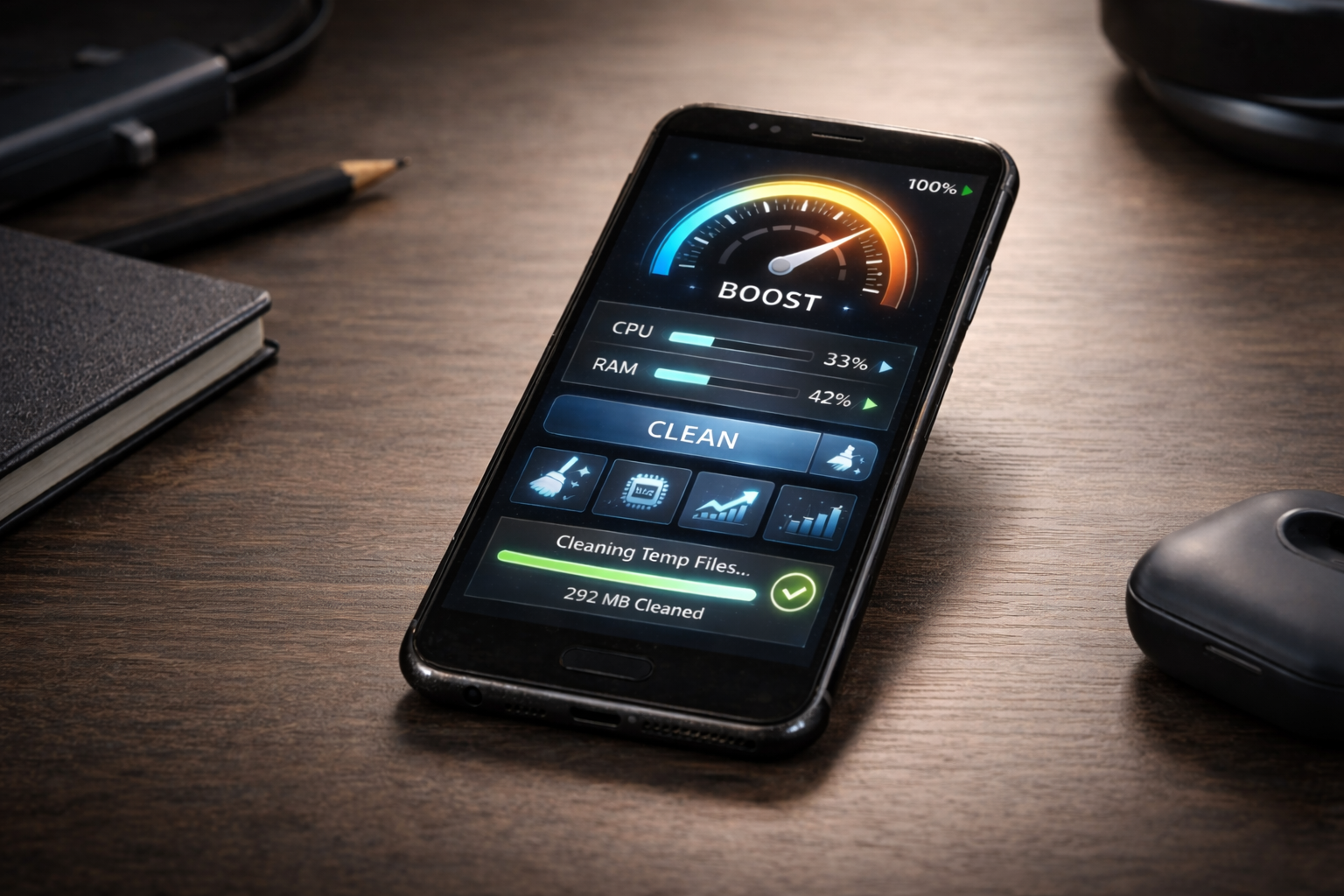

Speed Up Your Old Smartphone: Simple Fixes That Actually Work
That once-mighty smartphone in your hand used to feel unstoppable. Apps flew open. Screens glided smoothly. Notifications arrived in a heartbeat. Now? Every tap feels like a negotiation. Apps freeze, batteries drain faster than patience, and even unlocking the screen feels like asking for a favor.
But before you give up and reach for your wallet, here’s the truth: most old phones aren’t dying — they’re suffocating. With the right steps, you can clear the clutter, restore speed, and squeeze surprising performance out of a device you thought had reached the end of the road.
This is how you make an old phone faster — and remind it what it used to be.
1. Declutter the Digital Mess Holding Your Phone Hostage
Time is not your phone’s only enemy. Clutter is worse.
Old phones slow down because they’re buried under unused apps, forgotten files, cached junk, and background processes that never sleep. If you haven’t opened it in months, it’s probably not essential.
Next, clear cached data. Apps store temporary files to load faster, but over time this data piles up and does more harm than good. Clearing cache frees storage and gives your phone room to breathe again.
Think of this step as cleaning out a cramped room.
2. Tame Background Apps That Drain Speed and Power
Your phone may look idle, but behind the scenes, apps are constantly working — syncing, updating, tracking, and refreshing. On older hardware, that silent activity is brutal.
Disable background refresh for non-essential apps. Limit auto-sync settings. Turn off features that constantly check for updates or location data when you don’t need them.
Every background task you stop is one less weight dragging your phone’s performance down. Suddenly, scrolling feels smoother, and apps respond faster.
3. Update Smartly — Not Blindly
Software updates are a double-edged sword. While updates often include security fixes and bug patches, major upgrades can overwhelm older hardware.
If your phone struggles after a large update, look for performance settings that reduce animations, simplify visuals, or enable “lite” modes. Many operating systems offer reduced motion options that significantly improve responsiveness on aging devices.
Smart updating isn’t about chasing the latest features — it’s about finding the version that runs best on your phone.
4. Cut the Flashy Effects That Slow Everything Down
Those sleek animations and transitions look great on new phones — but on older devices, they’re performance killers.
Disable unnecessary visual effects, live wallpapers, and animated backgrounds. Switch to static images. Reduce motion effects wherever possible.
The result may look simpler, but it feels dramatically faster. Every swipe becomes sharper. Every app launch becomes quicker. Function beats flash — especially when speed is the goal.
5. Free Storage to Unlock Hidden Speed
Low storage is one of the biggest reasons phones slow to a crawl. When your device is nearly full, it struggles to manage temporary files and app processes efficiently.
Delete duplicate files. Clear old downloads you forgot existed.
The difference is immediate. Your phone stops gasping for space and starts performing like it should.
6. Replace or Calibrate the Battery
An aging battery doesn’t just die faster — it throttles performance. Many phones intentionally reduce speed to prevent shutdowns when the battery health declines.
If your phone shuts down unexpectedly or struggles to hold a charge, consider replacing the battery. It’s one of the most effective ways to restore performance and extend a phone’s life.
A fresh battery can make an old phone feel reborn — faster, more stable, and far more reliable.
7. Reset as a Last Resort — But a Powerful One
When all else fails, a factory reset can work wonders. Over time, software conflicts, corrupted files, and outdated settings build up. A reset wipes the slate clean.
Back up your important data, perform the reset, and reinstall only essential apps. Avoid restoring everything automatically — that often brings old problems back with it.
This step can transform a sluggish phone into something shockingly responsive, especially if it’s been used for years without a reset.
8. Accept the Limits — and Work With Them
Even with every trick in the book, an old phone won’t compete with modern flagships. And that’s okay.
Use lighter apps when possible. Choose “lite” versions of social media platforms. Avoid heavy multitasking. Close apps instead of stacking them endlessly.
Working within your phone’s limits doesn’t feel like compromise — it feels like control.
Final Thoughts: Speed Isn’t Gone — It’s Just Buried
An old phone doesn’t become slow overnight. It’s worn down by clutter, overloaded software, tired batteries, and neglected settings. The good news? Most of that damage is reversible.
With a little effort, smart choices, and realistic expectations, you can restore speed, responsiveness, and usability to a device you thought was finished. Your phone may be old — but it’s far from useless.
Sometimes, all it needs is a second chance to prove it still has life left in it.
