


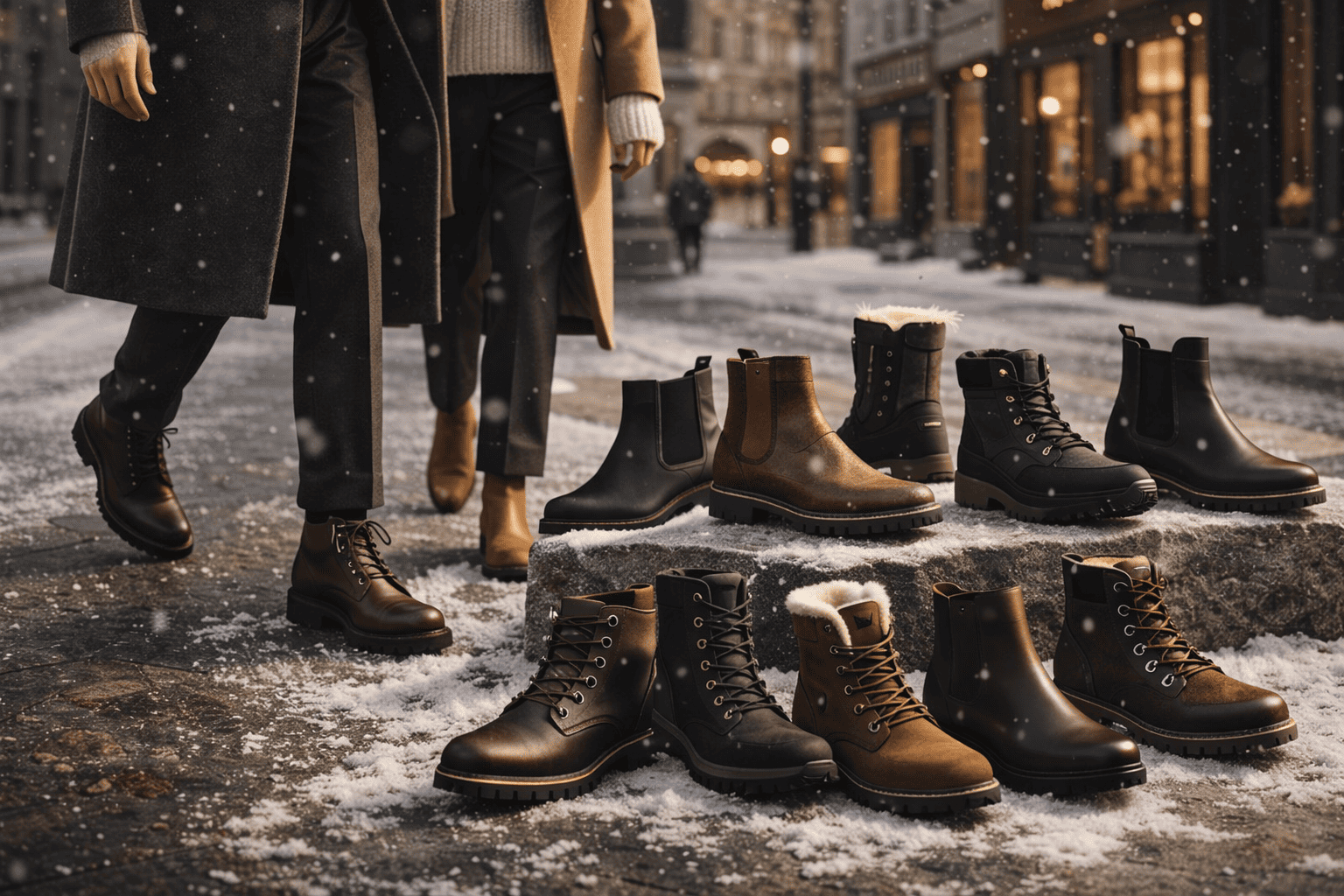

Step Into Winter Like a Pro: The Ultimate Guide to Choosing the Right Boots
Winter can be magical the crisp air, the glistening snow, and the cozy evenings by the fire. But it can also be merciless. Slipping on icy sidewalks, trudging through snowdrifts, and battling cold winds are the tests that can turn a winter day into a nightmare. That’s why the right pair of winter boots isn’t just a fashion choice it’s a survival tool.
Whether you’re a city dweller navigating slushy streets or an adventurer seeking trails dusted with frost, the boots you choose can make or break your winter experience. Here’s how to find the perfect pair that keeps you warm, comfortable, and stylish through the chilliest months.
1. Know Your Terrain
Winter boots are not one-size-fits-all. The first question to ask is: where will you be wearing them? If your daily life is urban, you need boots with traction for icy pavements, waterproofing to repel slush, and a comfortable fit for long walks.
For those venturing into the wilderness, durability and grip are paramount. Deep lugs, insulated linings, and high-quality waterproof materials are essential to survive snowy trails or icy streams. A boot that works in the city may fail spectacularly in the mountains, and vice versa. Assess your terrain, and your boots will serve you well.
2. Insulation Is Non-Negotiable
Nothing ruins winter quite like freezing toes. Look for boots with proper insulation commonly measured in grams of synthetic fill or natural materials like wool.
200–400 grams: Suitable for mild winter conditions and urban commuting.
400–600 grams: Ideal for colder climates, providing extra warmth without bulk.
600+ grams: For extreme cold or outdoor expeditions, when frostbite is a real threat.
Remember, insulation works best when paired with moisture-wicking socks. Wool or high-tech synthetic blends keep feet dry, which is crucial because dampness steals heat faster than any chill.
3. Waterproofing vs. Water Resistance
A winter storm can turn sidewalks into rivers and snowbanks into mini-lakes. Choosing between waterproof and water-resistant boots can be the difference between cozy toes and frozen feet.
Water-resistant boots Suitable for light snow and slush. Often treated with a protective coating but not fully sealed.
Waterproof boots: Built to withstand wet conditions, usually with sealed seams or waterproof membranes like Gore-Tex. Essential for heavy snow, rain, or icy puddles.
If you live somewhere with unpredictable winter weather, lean toward fully waterproof boots. Your feet will thank you when the snow melts unexpectedly into icy slush.
4. Traction: The Unsung Hero
Even the warmest boots are useless if you can’t walk safely. Look at the sole design. Deep treads with aggressive patterns grip ice and snow better than flat, smooth soles Some winter boots even include built-in grips or studs for extreme conditions. While these may seem overkill for casual wear, they’re lifesavers on treacherous surfaces. Remember, a stylish boot is meaningless if you’re sliding down the street like a cartoon character.
5. Comfort and Fit
A common mistake is choosing boots purely for appearance. Comfort is king. Cold feet are only part of the problem; ill-fitting boots can cause blisters, pain, and long-term foot issues.
Tips for the perfect fit:
Leave room for thick socks without feeling loose.
Make sure the heel doesn’t slip this prevents blisters.
Try them on with the type of socks you’ll actually wear in winter.
Some brands offer boots with removable insoles or adjustable laces, which allow for customization and extra comfort.
6. Style Doesn’t Have to Take a Backseat
Today, there are endless options that combine warmth, protection, and style. Sleek leather boots can look sophisticated with a winter coat, while faux fur-trimmed or shearling-lined options provide a luxurious touch.
Think about your wardrobe. Neutral tones like black, brown, or gray offer versatility, while bold colors or patterns can make a statement and add some cheer to dreary winter days. Remember, confidence in your footwear translates to confidence in your stride even on ice.
7. Durability and Quality
Winter is tough on footwear. Boots endure moisture, salt, mud, and countless abrasions Look for:
Sturdy stitching and reinforced seams
Thick, durable soles
Quality leather or high-grade synthetics
A slightly higher price for a boot that lasts three winters is better than replacing cheap boots every season. Consider your investment in comfort, warmth, and style.
8. Additional Features to Consider
Modern winter boots can come with unexpected perks:
Fleece or wool lining: Extra softness and insulation
Adjustable straps or laces: Custom fit and better support
Removable insoles: Easy drying and cleaning
Lightweight materials: For those who prioritize mobility
Evaluate your lifestyle and pick boots that align with your priorities.
Final Thoughts: Walk Boldly This Winter
Winter boots aren’t just about survival they’re about embracing the season with confidence. The right pair protects your feet, provides traction on slippery surfaces, and complements your style. From urban streets to snowy trails, a well-chosen boot is your ticket to exploring the cold without compromise.
So, don’t settle for just any pair. Step into warmth, step into comfort, and step out with purpose. Winter is harsh but with the right boots, you can conquer it in style.
