


Airless Basketball: The Revolutionary Future of Basketball Design
Introduction
The world of sports equipment is constantly evolving, with manufacturers searching for innovative ways to improve performance, durability, and player experience. One of the most exciting developments in recent years is the airless basketball. Unlike traditional basketballs that rely on internal air pressure to maintain their shape and bounce, an airless basketball uses advanced materials and engineering to function without ever needing inflation.
This breakthrough technology has generated significant attention from athletes, coaches, and sports enthusiasts who see it as a potential game-changer for recreational and professional basketball alike. As technology continues to influence sports, this represents a fascinating glimpse into the future of athletic equipment.
What Is an Airless Basketball?
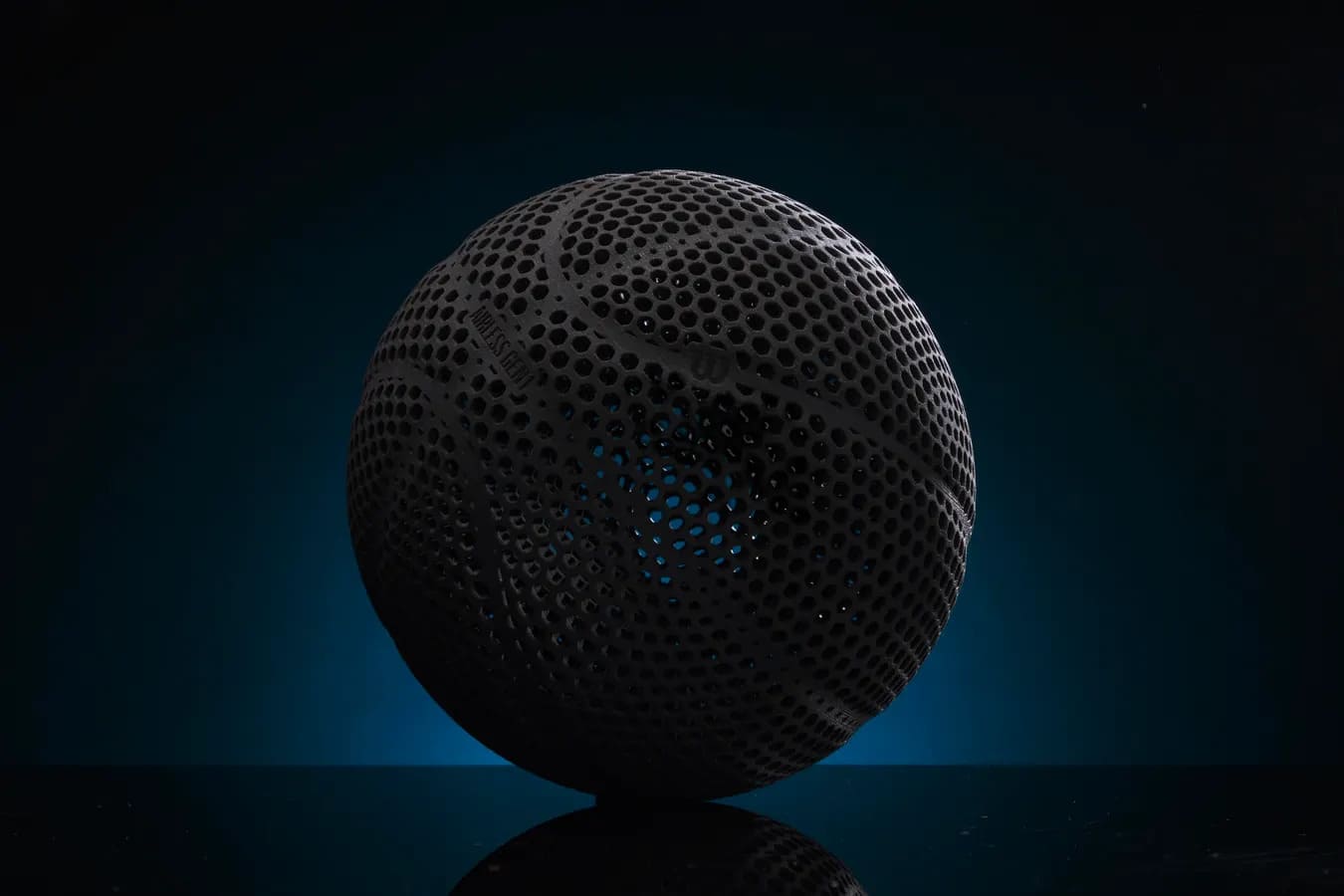
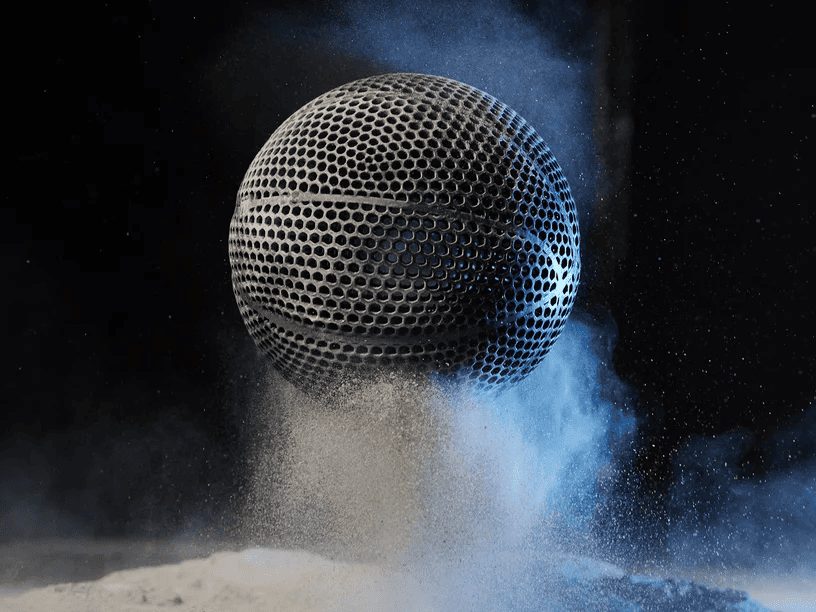
An airless basketball is a specially designed basketball that does not contain an inflatable inner bladder. Traditional basketballs require air pressure to achieve the correct bounce and feel. Over time, these balls can lose air, develop leaks, or require regular maintenance to perform properly. An airless basketball eliminates these concerns entirely by using a lattice-like internal structure or advanced polymer materials that mimic the responsiveness of an inflated ball.
The concept gained widespread attention when several technology companies and sports equipment designers unveiled prototypes created through advanced 3D-printing techniques. These basketballs feature intricate geometric patterns that allow air to move freely through the structure while maintaining the ball’s shape and elasticity. The result is a basketball that can bounce, handle, and perform similarly to a traditional ball without the need for pumps or pressure adjustments.
How Airless Basketball Technology Works
The key innovation behind the airless basketball lies in its structural design. Instead of relying on compressed air, the ball’s internal framework absorbs and returns energy when it strikes a surface. Engineers use sophisticated computer modeling and material science to create patterns that replicate the bounce characteristics of conventional basketballs.
Many prototypes are produced using advanced 3D-printing methods and flexible polymer materials. These materials are carefully selected to provide the right balance of durability, flexibility, and energy return. When a player dribbles an airless basketball, the structure compresses slightly upon impact and then quickly returns to its original shape, generating a bounce similar to that of an inflated ball. This innovative approach allows the ball to maintain consistent performance over time without requiring maintenance.
Advantages of Using an Airless Basketball
One of the biggest advantages of the airless basketball is its durability. Traditional basketballs can suffer from punctures, leaks, and gradual air loss, all of which affect performance. Since an airless basketball contains no internal air chamber, these issues are virtually eliminated. This makes it particularly attractive for outdoor courts, schools, community centers, and recreational players who want equipment that can withstand heavy use.
Another major benefit is consistency. Air pressure fluctuations caused by temperature changes or natural air leakage can alter the bounce and handling of traditional basketballs. An airless basketball maintains the same performance characteristics regardless of environmental conditions. Players do not need to check inflation levels before games or practices, saving both time and effort.
Sustainability is another important advantage. Many airless basketball concepts are designed with long-term durability in mind, potentially reducing waste from worn-out or damaged balls. Some manufacturers are also exploring recyclable materials and environmentally friendly production methods, making the technology appealing to consumers concerned about sustainability.
Challenges Facing Airless Basketball Development
Despite its exciting potential, the airless basketball still faces several challenges before it can become a mainstream product. One of the primary concerns is feel and performance. Basketball players are highly sensitive to the way a ball bounces, grips, and responds during gameplay. Even slight differences can affect shooting accuracy, dribbling control, and overall comfort.
Manufacturers must ensure that airless basketballs closely replicate the experience of using a traditional basketball. Achieving this balance requires extensive testing and refinement. Additionally, some early prototypes have featured open lattice designs that may collect dirt, dust, or debris during outdoor use. Engineers continue to work on solutions that improve practicality without sacrificing performance.
Cost is another factor. Advanced manufacturing processes such as 3D printing can be expensive, particularly during the early stages of product development. As production scales up and technology becomes more accessible, prices may decrease, making airless basketballs more affordable for everyday consumers.
Potential Impact on Professional and Recreational Basketball
The introduction of the airless basketball could have far-reaching effects across all levels of the sport. Recreational players may appreciate the convenience of a basketball that never needs inflation and remains ready for use at all times. Schools, parks, and community programs could benefit from reduced maintenance costs and longer-lasting equipment.
Professional basketball organizations may also take interest if the technology continues to evolve. Before adoption at elite levels, airless basketballs would need to meet strict performance standards and receive approval from governing bodies. However, if manufacturers successfully replicate the characteristics of traditional game balls, the technology could eventually influence training equipment and competitive play.
The innovation may also inspire further advancements in sports equipment design. Similar airless technologies could be adapted for other sports balls, creating products that are more durable, sustainable, and reliable than their traditional counterparts.
The Future of Airless Basketball
The future of the airless basketball appears promising as advances in material science and manufacturing continue to accelerate. Researchers are constantly developing new polymers, printing techniques, and structural designs that improve performance while reducing production costs. As these innovations mature, airless basketballs may become increasingly common in gyms, playgrounds, and sports facilities around the world.
Consumer interest in cutting-edge sports technology is growing, and the airless basketball perfectly aligns with this trend. While it may take time for widespread adoption, the concept has already demonstrated that basketball equipment can be reimagined in ways that were once considered impossible.
Conclusion
The airless basketball represents a bold step forward in sports equipment innovation. By eliminating the need for inflation and utilizing advanced structural engineering, this revolutionary design offers improved durability, consistent performance, and potential environmental benefits. Although challenges remain in perfecting feel, affordability, and mass production, the technology has already captured the attention of the basketball world. As research and development continue, the airless basketball may transform the way players experience the game, ushering in a new era of athletic equipment designed for the future.
