

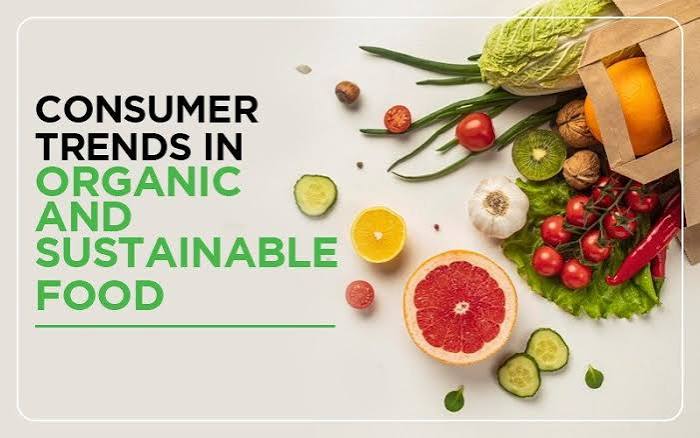

Food choices are changing as people become more aware of health, climate change, waste, and the environmental impact of food production. Today, food sustainability trends are influencing how food is produced, packaged, purchased, and consumed. From plant-based foods to reducing food waste, these changes are creating a more responsible food system.
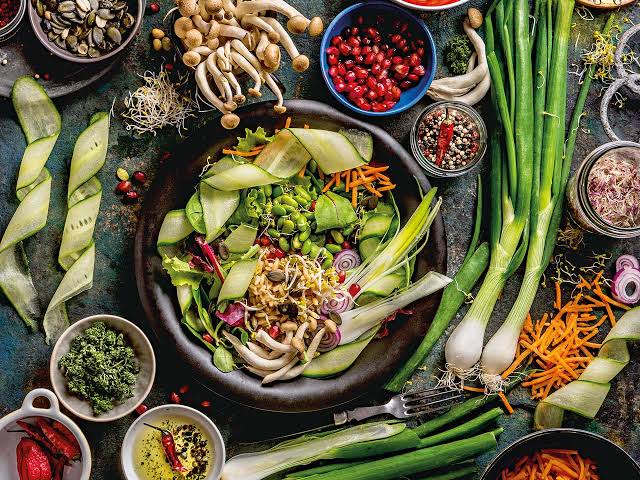
What Are Food Sustainability Trends?
Food sustainability trends are new practices and consumer habits that aim to make food production better for the environment and society. These sustainable food trends focus on using natural resources wisely while providing nutritious and affordable food.
These trends are becoming more popular among consumers, restaurants, farmers, and food companies. People are increasingly interested in where their food comes from and how it is produced.
Why Are Sustainable Food Trends Important?
The food industry uses large amounts of water, land, energy, and other natural resources. Sustainable approaches can help reduce waste and lower environmental pressure.
Some major benefits include:
- Reducing food waste and unnecessary packaging
- Supporting responsible farming practices
- Saving water and natural resources
- Encouraging healthier food choices
- Reducing the environmental impact of food production
- Supporting local farmers and communities
Food Sustainability Trends : Major Food Sustainability Trends to Watch
Several important changes are shaping the future of food. These sustainable food trends are becoming more visible in homes, restaurants, supermarkets, and food businesses.
Plant-Based Food
Plant-based meals are becoming increasingly popular. More people are choosing vegetables, grains, beans, nuts, and other plant-based ingredients as part of their regular diets.
Local and Seasonal Foods
Buying local and seasonal food can support nearby farmers while reducing the distance food travels before reaching consumers. Seasonal products can also offer freshness and variety.
Reducing Food Waste
Food waste is a major concern around the world. Better meal planning, food storage, recycling, composting, and using leftovers can help households reduce unnecessary waste.
Sustainable Packaging
Food companies are exploring recyclable, reusable, and compostable packaging options. The goal is to reduce dependence on unnecessary single-use materials.
Regenerative Agriculture
Regenerative farming focuses on improving soil health, biodiversity, and long-term agricultural productivity. It can include practices such as crop rotation, cover crops, and reduced soil disturbance.
Food Sustainability Trends :How Can Consumers Support Sustainable Food?
Food sustainability trends Consumers can make simple changes without completely changing their lifestyle. Choosing seasonal products, buying only what is needed, reducing leftovers, and supporting responsible food producers can make a difference.
Small daily decisions can collectively have a meaningful impact on the food system.
FAQs
What are 2026 food trends?
Plant-based foods, sustainable eating, global flavors, and functional foods are popular.
What is the biggest trend in sustainability right now?
Reducing waste and using resources more responsibly are major trends.
What are the current trendy food trends?
Plant-based meals, high-protein foods, fermented foods, and sustainable options are trending.
What are Gen Z food trends?
Gen Z favors creative meals, global flavors, food hacks, and convenient healthy options.
What is Gen Z slang for food?
Gen Z may use terms like “nom,” “bussin,” or “fire” to describe tasty food.
Conclusion
The future of food is moving toward smarter production, less waste, responsible packaging, and more sustainable choices. Food sustainability trends are helping consumers understand that everyday food decisions can affect the environment and communities. As awareness continues to grow, sustainable eating is likely to become an increasingly important part of modern life.
Want to make a difference? Start with one simple change today—reduce food waste, choose seasonal foods, or explore more sustainable options in your next meal.
