



Intelligence assessments play an important role in helping governments understand security threats, conflicts, and international developments. However, politicization of intelligence assessments can affect how information is analyzed, presented, or used by decision-makers. When political expectations influence intelligence work, it can become harder to maintain objective and evidence-based assessments.
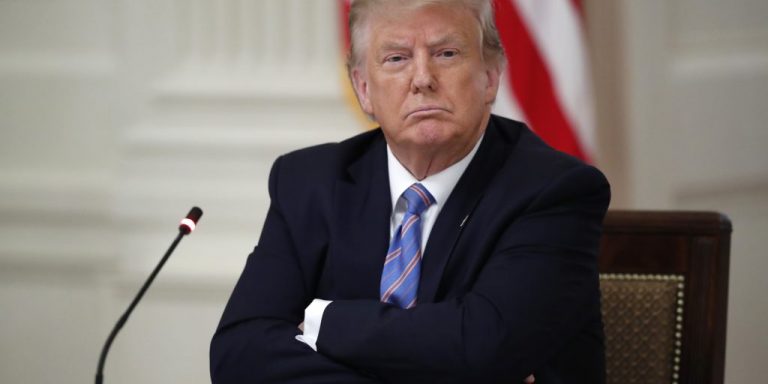
What Is Politicization of Intelligence Assessments?
Politicization of intelligence assessments occurs when political interests or expectations influence the preparation, interpretation, or presentation of intelligence. Intelligence professionals are expected to evaluate available information objectively, even when their findings may not support a preferred political position.
The issue can arise in different ways, including pressure to emphasize certain information, ignoring contradictory evidence, or presenting uncertain conclusions with excessive confidence.
Politicization of intelligence assessments : What Causes Intelligence Politicization?
Several factors can contribute to political influence on intelligence analysis:
- Political pressure: Officials may expect intelligence to support particular policies.
- Selective information: Some evidence may receive more attention than other relevant information.
- Leadership influence: Senior officials can unintentionally affect analytical priorities.
- Confirmation bias: Analysts or decision-makers may favor information that supports existing beliefs.
- Communication problems: Uncertainty may be reduced or lost when assessments reach policymakers.
Politicization of intelligence assessments : Intelligence Assessment Bias and Its Impact
Intelligence assessment bias can affect the quality and reliability of analysis. Bias does not always result from deliberate manipulation. Analysts can also be influenced by assumptions, incomplete information, organizational culture, or previous experiences.
When bias becomes significant, decision-makers may receive an incomplete picture of a situation. This can make it more difficult to evaluate risks and consider alternative explanations.
Why Objective Intelligence Matters
Reliable intelligence should clearly separate facts, analysis, assumptions, and uncertainty. Analysts should be able to present findings even when those findings challenge existing expectations.
Important principles include:
- Independent analytical judgment
- Clear evidence and sourcing
- Recognition of uncertainty
- Consideration of alternative explanations
- Separation between intelligence analysis and policy decisions
These practices can help strengthen confidence in intelligence assessments.
How Can Politicization Be Reduced?
Reducing politicization of intelligence assessments requires strong professional standards and institutional safeguards. Intelligence organizations can encourage independent analysis, protect analysts from inappropriate pressure, and use structured methods to challenge assumptions.
Regular review processes can also help identify analytical weaknesses and reduce the effects of intelligence assessment bias. Encouraging different viewpoints can make assessments more balanced and useful for decision-makers.
FAQs
What is the politicization of intelligence?
It is when political interests or pressure influence how intelligence is analyzed or presented.
What are the 7 basic principles of intelligence?
They generally include objectivity, accuracy, relevance, timeliness, reliability, clarity, and independence.
What are the three types of counterintelligence?
They are commonly described as defensive, offensive, and investigative counterintelligence.
Is there a correlation between intelligence and politics?
Yes, intelligence can influence political decisions, while political priorities can also affect intelligence work.
What is the strongest predictor of IQ?
General cognitive ability and certain aspects of working memory are among the strongest predictors.
Conclusion
The politicization of intelligence assessments can create challenges for objective decision-making when political expectations interfere with independent analysis. Maintaining professional standards, transparent reasoning, and careful treatment of uncertainty can help protect the credibility of intelligence work.
Understanding intelligence assessment bias is equally important because recognizing potential sources of bias can improve analytical quality. Readers interested in global security, government decision-making, and international affairs should continue exploring how intelligence shapes major policy decisions.
