

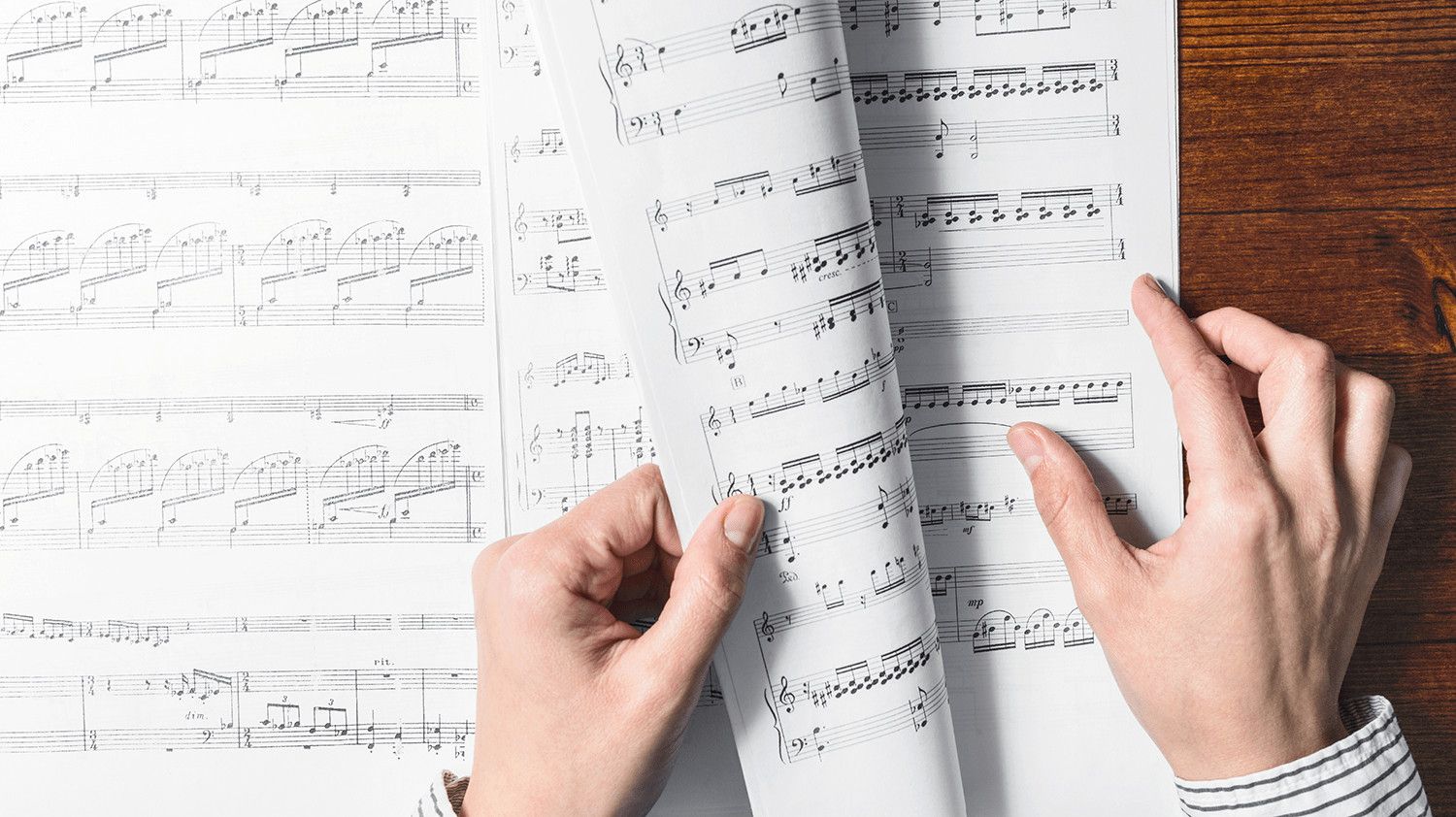

Learning how to read sheet music can help you understand melodies, rhythms, and musical notes. Whether you want to play piano, guitar, or another instrument, reading music is a valuable skill. Beginners can start with simple notes and gradually learn more advanced musical concepts through regular practice.
Understanding the Basics of Sheet Music
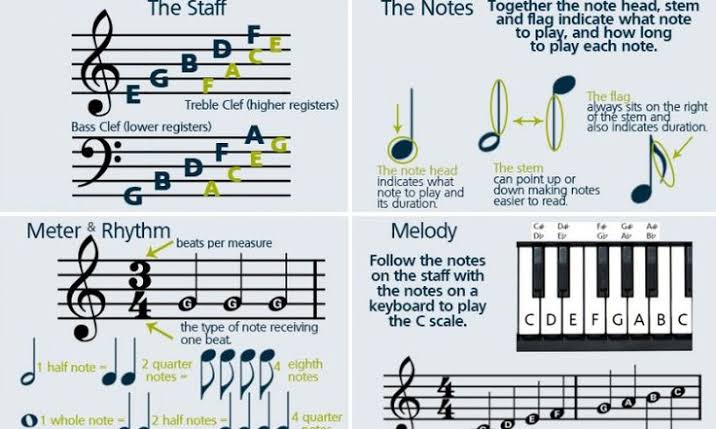
To learn how to read sheet music, you first need to understand the musical staff. It consists of five horizontal lines and four spaces where notes are written. Each position represents a different musical pitch.
The main elements of sheet music include:
- Staff: Five lines and four spaces for musical notes.
- Clef: A symbol that identifies the pitch of notes, such as the treble or bass clef.
- Notes: Symbols that represent musical pitches and durations.
- Time signature: Indicates how beats are organized in each measure.
- Key signature: Shows which notes are usually sharp or flat in a piece.
Learn Note Names and Positions
Notes are named A, B, C, D, E, F, and G. These letters repeat as musical pitches move higher or lower.
In treble clef, the lines from bottom to top represent E, G, B, D, and F. The spaces represent F, A, C, and E. A helpful way to memorize the spaces is the word “FACE.”
Start by identifying each note on the staff before attempting to play it on an instrument.
Understand Rhythm and Musical Beats
Rhythm tells you how long to play or hold each note. Different note symbols represent different durations.
For example:
- Whole note: Usually lasts four beats in common time.
- Half note: Usually lasts two beats.
- Quarter note: Usually lasts one beat.
- Eighth note: Usually lasts half a beat.
Clapping along with a steady beat can help you understand rhythm and improve your timing.
How to Read Sheet Music Basics Through Practice
Learning how to read sheet music basics becomes easier when you practice a little every day. Begin with simple melodies and focus on reading notes accurately rather than playing quickly.
Try these beginner-friendly steps:
- Memorize treble clef note names.
- Practice recognizing notes on the staff.
- Count beats while reading simple rhythms.
- Use a beginner music book or note-reading app.
- Practice short musical passages for 10–15 minutes daily.
Consistency helps you recognize notes faster and develop confidence.
FAQs
How do beginners read sheet music?
Beginners should learn note names, clefs, and basic rhythms first.
What are the seven musical notes?
The seven notes are A, B, C, D, E, F, and G.
What is a musical staff?
A staff has five lines and four spaces for writing notes.
How long does it take to learn sheet music?
With daily practice, beginners can learn the basics in a few weeks.
Is reading sheet music difficult?
No, regular practice makes reading notes and rhythms easier.
Conclusion: Start Your Musical Journey Today
Reading sheet music takes patience, but understanding note names, rhythm, and the musical staff gives you a strong foundation. Start with easy exercises and gradually move toward complete songs.
