

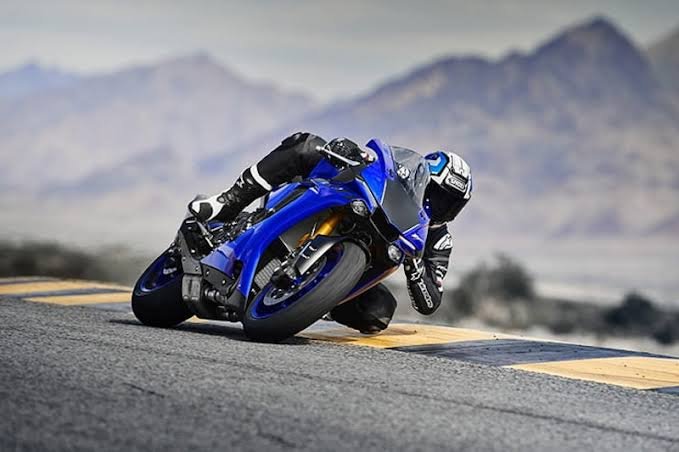

The R1 Yamaha R1 is a high-performance superbike known for its powerful engine, sporty design, and advanced technology. It offers impressive acceleration, responsive handling, and racing-inspired features. Whether you’re exploring its specifications or searching for a Yamaha R1 for sale, this motorcycle attracts riders who value speed and performance.
What Makes the R1 Yamaha R1 Special?
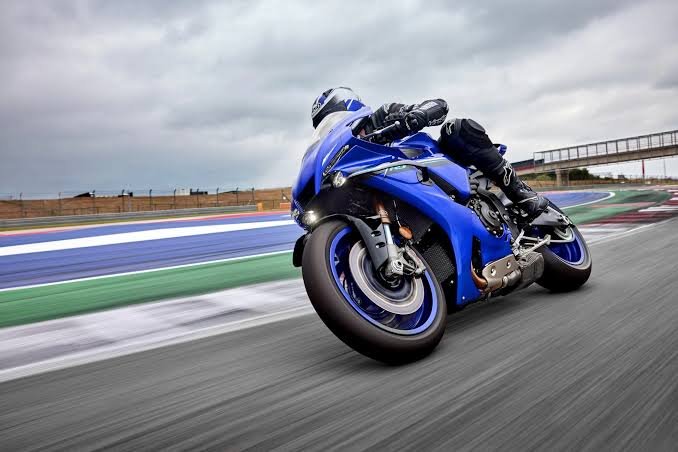
Yamaha YZF-R1 belongs to the superbike category, which focuses on high performance, precise handling, and advanced technology. Yamaha developed this motorcycle with inspiration from its racing experience. As a result, the R1 offers a sporty riding position, aerodynamic bodywork, and engineering designed for demanding riding conditions.
Moreover, its aggressive appearance appeals to riders who prefer a distinctive motorcycle. The sharp front fairing, sculpted fuel tank, and compact rear section create a purposeful design. Yamaha has also introduced electronic technologies across R1 generations to help riders manage power and maintain control.
However, the R1 is not an ordinary commuter motorcycle. Its performance-oriented setup makes it more suitable for experienced riders and controlled riding environments.
Yamaha R1 Engine and Performance
Engine performance is one of the biggest reasons riders choose the Yamaha R1. Many modern YZF-R1 models feature a 998cc liquid-cooled, four-cylinder engine with Yamaha’s crossplane crankshaft technology.
This engine design helps produce a distinctive exhaust sound and delivers power in a way that appeals to sportbike enthusiasts. However, exact output figures vary by model year and market, so buyers should check the specifications of the particular motorcycle they intend to purchase.
The R1 provides strong acceleration and high-speed capability. In addition, its responsive throttle and racing-inspired engineering support precise control when used by a skilled rider.
Key performance characteristics include:
- High-performance engine: Designed to deliver strong power and acceleration.
- Crossplane crankshaft: Helps create the R1’s distinctive engine character.
- Responsive throttle: Supports controlled power delivery.
- Sport-focused gearing: Suits performance riding.
- Advanced cooling system: Helps regulate engine temperature during operation.
Although the R1 offers impressive performance, riders should always follow local speed limits and use appropriate protective equipment. Public roads are not suitable places to explore a superbike’s maximum speed.
Design and Aerodynamics
The R1’s design reflects its connection to racing motorcycles. Its aerodynamic bodywork, narrow profile, and aggressive front end give it a recognizable appearance. At the same time, the fairings help manage airflow around the motorcycle.
The riding position places the rider in a forward-leaning posture. This arrangement supports a sporty riding style, particularly on a race circuit. However, it may feel less comfortable during long journeys or in heavy traffic compared with a standard or touring motorcycle.
Depending on the model year, the R1 may feature LED lighting, a digital instrument display, lightweight body components, and different color schemes.
Furthermore, its compact design contributes to the motorcycle’s focused appearance. Riders should compare specific model years because styling, equipment, and available colors can differ.
Advanced Technology and Rider Assistance
Modern Yamaha R1 models can include electronic systems designed to help riders manage performance. Available features depend on the model year, specification, and market.
These systems may include traction control, slide control, lift control, launch control, selectable engine power settings, and a quickshifter. Some versions also offer an inertial measurement unit that helps electronic systems respond to motorcycle movement.
Here are some important technologies to understand:
- Traction control: Helps manage rear-wheel spin under certain conditions.
- Slide control: Helps regulate rear-wheel sliding when equipped.
- Lift control: Helps manage front-wheel lift during acceleration.
- Quickshifter: Allows clutchless gear changes under supported conditions.
- Engine power modes: Offer different power delivery settings.
- ABS: Helps reduce the risk of wheel lockup during braking when fitted.
These technologies can support rider control, but they cannot eliminate every risk. Proper training, safe riding habits, and suitable tires remain essential.
Yamaha R1 Handling, Braking, and Comfort
The Yamaha R1 is engineered for precise handling and sporty cornering. Its suspension, chassis, and tire setup work together to support stability and responsiveness. However, suspension specifications and adjustments vary between versions.
The braking system is designed to manage the motorcycle’s performance. Buyers should inspect the brake pads, discs, fluid, and ABS operation when evaluating a used R1.
Comfort is another important consideration. The forward-leaning riding position can place pressure on the wrists, shoulders, and back, especially during slow city rides. The firm suspension may also feel less forgiving on uneven roads.
Therefore, potential owners should take their riding experience and intended use into account. The R1 may suit experienced enthusiasts who enjoy spirited riding or track days, while daily commuters may prefer a more relaxed motorcycle.
Yamaha R1 Fuel Economy and Maintenance
Fuel economy depends on riding style, road conditions, maintenance, and model year. Aggressive acceleration and high engine speeds generally increase fuel consumption. For this reason, buyers should avoid relying on one fuel-economy figure when estimating ownership costs.
Regular maintenance is equally important. High-performance motorcycles require attention to engine oil, filters, coolant, tires, brakes, and chain condition. Service intervals should follow the owner’s manual for the specific model.
Before purchasing a used R1, check its maintenance records. Also, inspect the motorcycle for accident damage, fluid leaks, worn tires, and signs of poor repairs.
A professional inspection can help identify mechanical issues before you commit to the purchase.
Yamaha R1 for Sale: What Should You Check?
If you are looking for a Yamaha R1 for sale, compare multiple listings rather than choosing the cheapest option immediately. A motorcycle with a clear service history and original components may offer better long-term value than one with an uncertain background.
Prices depend on the model year, mileage, condition, location, ownership history, and modifications. Availability also varies between countries and local markets.
Before buying, review this checklist:
- Model year: Confirm the exact year and version.
- Mileage: Compare the odometer reading with the motorcycle’s condition.
- Service history: Request maintenance invoices and records.
- Engine condition: Listen for unusual noises and check for leaks.
- Accident history: Inspect the frame, fairings, and steering components.
- Legal documents: Verify registration, ownership, and vehicle identification numbers.
- Modifications: Check whether aftermarket parts are properly installed.
- Test ride: Arrange a safe test ride only when legally permitted and properly equipped.
Additionally, compare the asking price with similar motorcycles in your market. Be cautious of sellers who refuse inspections, provide inconsistent documents, or demand payment before allowing reasonable verification.
Is the Yamaha R1 Worth Buying?
The Yamaha R1 can be an appealing choice for experienced riders who value superbike performance, advanced electronics, and racing-inspired styling. Its engine character and focused chassis make it an exciting option for suitable riding conditions.
Nevertheless, ownership involves more than the purchase price. Insurance, fuel, tires, servicing, and replacement parts can add significantly to the total cost. Riders should also consider whether the riding position and performance suit their daily needs.
For beginners, a lower-powered motorcycle is generally a more sensible starting point. For experienced riders, the R1 may offer a rewarding experience when used responsibly and maintained correctly.
Conclusion
The R1 Yamaha R1 combines powerful engine performance, aggressive design, and advanced rider technology in a distinctive superbike package. Its racing-inspired features make it attractive to experienced motorcycle enthusiasts, while its maintenance requirements and demanding riding position deserve careful consideration. If you are searching for a Yamaha R1 for sale, compare model years, inspect the motorcycle thoroughly, and verify its service and ownership records before buying.
Explore True Globe News for more automotive guides, motorcycle reviews, buying tips, and helpful vehicle information.
FAQs
1. What is the engine capacity of the Yamaha R1?
The Yamaha R1 features a 998cc, liquid-cooled, four-cylinder engine in modern model generations.
2. Is the Yamaha R1 good for beginners?
No, its powerful engine and aggressive riding position make it more suitable for experienced riders.
3. What is the top speed of the Yamaha R1?
Its top speed varies by model and conditions, and riders should always follow legal speed limits.
4. What should I check when buying a Yamaha R1 for sale?
Check the service history, engine, brakes, tires, ownership documents, and accident records.
5. Is the Yamaha R1 expensive to maintain?
Yes, maintenance can be costly because it is a high-performance superbike that requires quality parts and regular servicing.
