







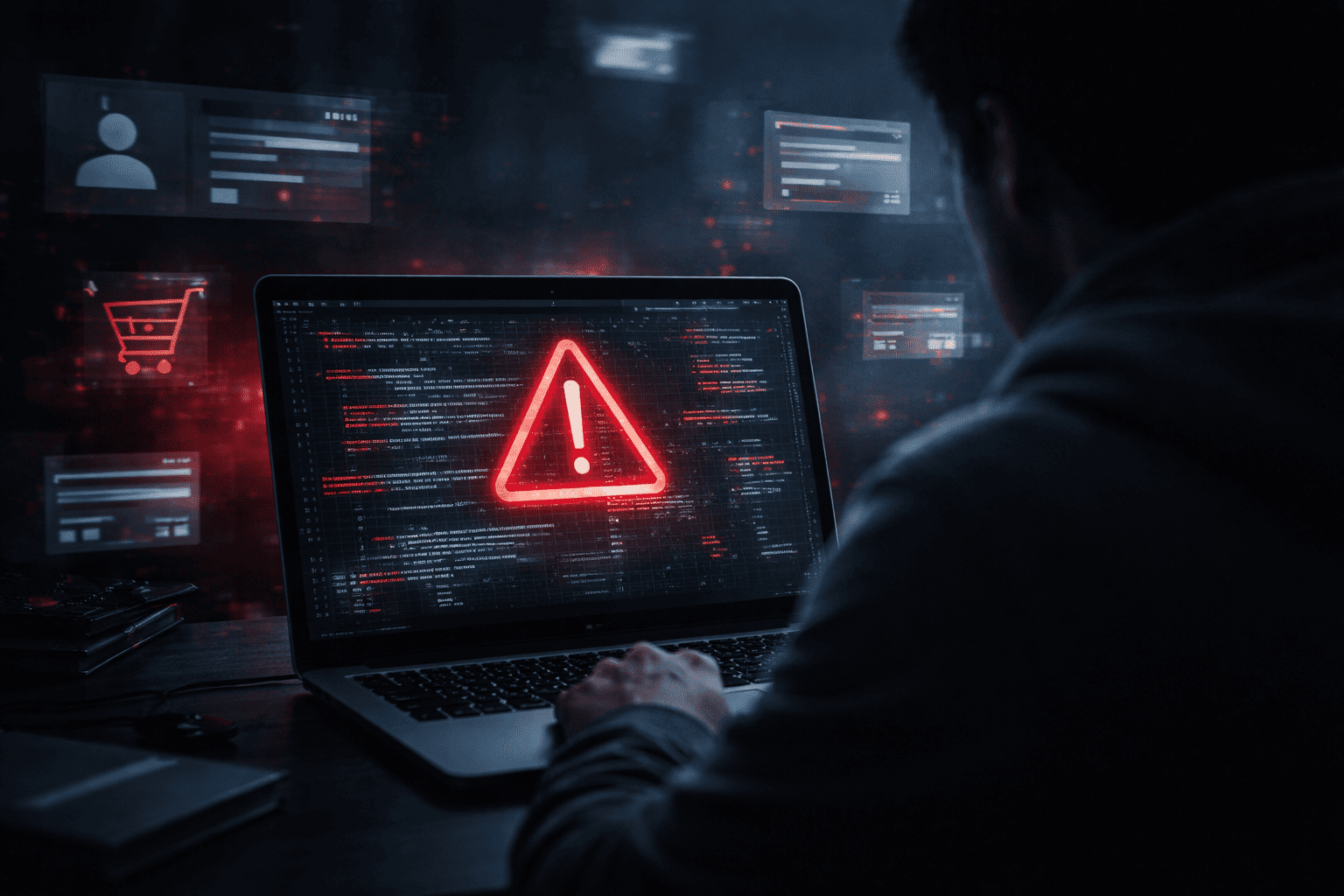


E-Commerce Platform Breach Exposes Data of Nearly 34 Million Customers
The digital world thrives on trust. Every online purchase, every saved address, every stored payment method rests on a silent agreement between customer and company: your data will be protected. That agreement has now been brutally tested after a major e-commerce platform confirmed a data breach that exposed the personal information of nearly 34 million customers, marking one of the most alarming cybersecurity incidents in recent years.
The scale of the breach is difficult to ignore. Tens of millions of customer records were compromised in an attack that experts describe as both calculated and deeply troubling. While cyber incidents have become an unfortunate reality of modern business, breaches of this magnitude cut far deeper, raising urgent questions about how customer data is stored, protected, and monitored in an era of relentless digital threats.
According to early disclosures, the exposed data includes customer names, email addresses, phone numbers, account details, and in some cases encrypted login credentials. While the company has insisted that full payment card information was not directly accessible, cybersecurity specialists warn that the exposed data is still more than enough for criminals to cause serious harm. Even without financial details, personal information can be weaponised for phishing attacks, identity theft, and highly targeted scams.
What makes this breach particularly disturbing is the apparent level of sophistication involved. Investigators believe the attackers gained prolonged access to internal systems, quietly navigating databases and extracting information before detection. This was not a rushed smash-and-grab operation. It was methodical, patient, and designed to avoid triggering alarms until it was too late.
The breach reportedly came to light after internal monitoring systems flagged unusual network activity. By the time the intrusion was identified, millions of records had already been exposed. Emergency response measures were activated immediately, including isolating affected servers, resetting credentials, and bringing in external cybersecurity experts to assess the damage and prevent further access.
Public reaction has been swift and intense. Customers expressed anger, fear, and disbelief as news of the breach spread. Social media platforms were flooded with complaints from users worried about identity fraud, unauthorised account activity, and the long-term misuse of their personal information. For many, the sense of violation extended beyond inconvenience it was a betrayal of trust.
In an official statement, the company apologised to customers and acknowledged the seriousness of the incident. Affected users are being notified directly, with advice on securing their accounts and monitoring for suspicious activity. The platform has also pledged to strengthen its security systems, conduct a full forensic investigation, and cooperate with regulators.
However, cybersecurity experts caution that the real danger may not be immediate. Data stolen in breaches like this often resurfaces months or even years later on underground marketplaces. Criminal networks buy, sell, and combine stolen information to build detailed profiles of individuals, increasing the likelihood of fraud long after the headlines fade.
The breach has also reignited debate around the responsibilities of large digital platforms. As e-commerce companies grow at extraordinary speed, expanding globally and handling enormous volumes of data, security infrastructure does not always evolve at the same pace. Attackers are well aware of this imbalance and actively exploit overlooked vulnerabilities.
Regulatory scrutiny is now expected to intensify. Data protection authorities are likely to investigate whether the platform met its legal obligations to safeguard user data and respond appropriately once the breach was discovered. Depending on the findings, the company could face substantial fines, legal challenges, and long-term reputational damage.
For customers, the incident serves as another stark reminder of the risks that come with digital convenience. Cybersecurity professionals advise affected users to change passwords immediately, avoid reusing credentials across platforms, enable multi-factor authentication, and remain alert for suspicious emails or messages that reference recent orders or account activity.
Businesses across the e-commerce sector are also paying close attention. A breach of this scale sends shockwaves far beyond one company, forcing others to reassess their own defences. From encryption standards and access controls to employee training and incident response plans, every layer of security is now under renewed scrutiny.
When millions of people learn that their personal information may be circulating in criminal networks, trust in digital systems erodes. Each high-profile incident chips away at consumer confidence, threatening the foundations of the online economy itself.
As investigations continue, the platform’s response in the coming months will be critical. Transparency, accountability, and meaningful reform will determine whether it can begin to rebuild the trust it has lost. For now, nearly 34 million customers remain in a state of uneasy vigilance, checking inboxes and accounts more closely than ever before.
The breach may have been contained, but its consequences are only just unfolding. In the digital age, data is power and once it slips into the wrong hands, the damage can linger long after the systems are repaired.


