







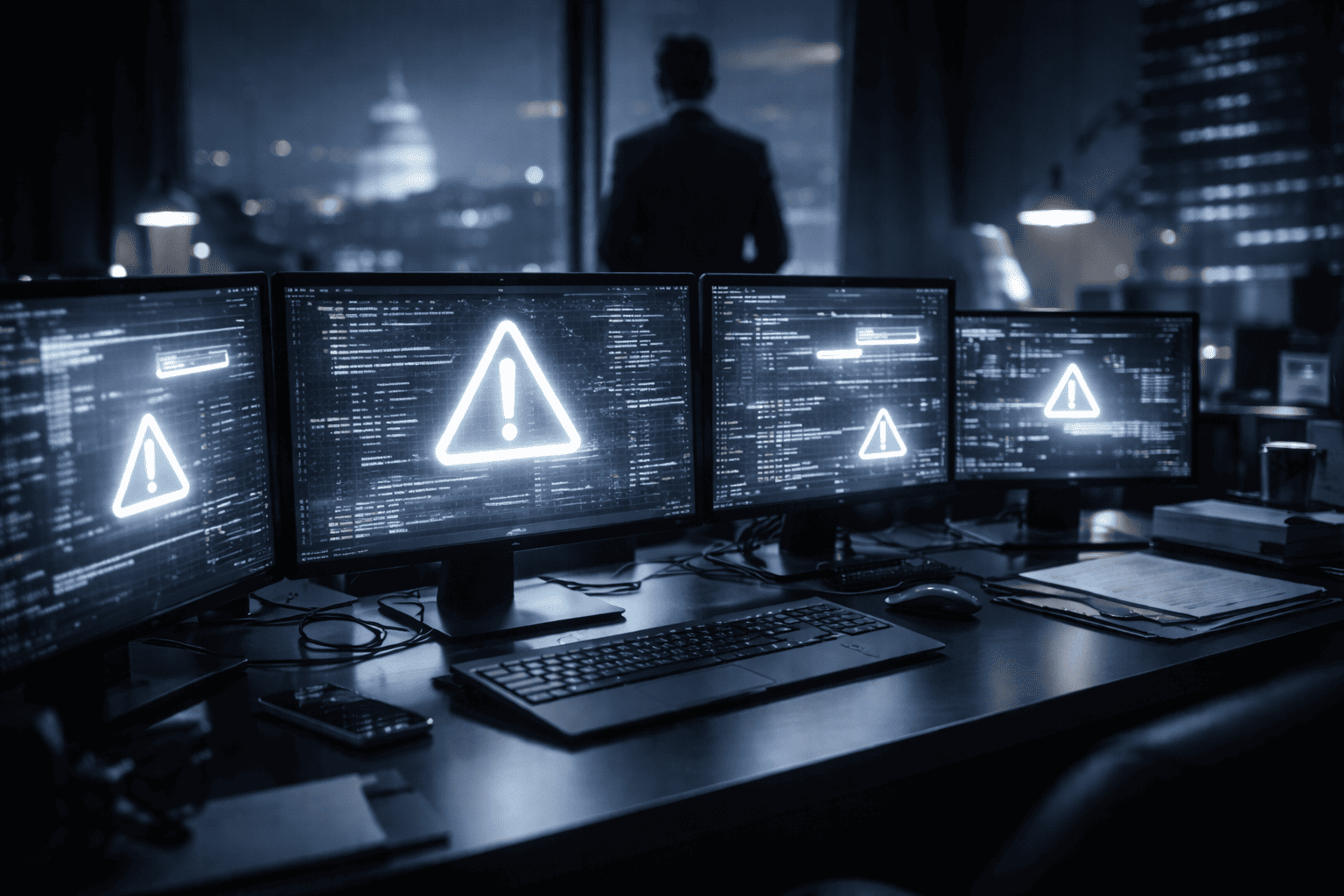


Inquiry Ongoing After UK Government Hacked, Says Minister
A shadow has fallen over Whitehall as ministers confirm that an inquiry is still underway following a cyberattack on UK government system an intrusion that has raised urgent questions about national security, digital resilience, and the safety of sensitive state information. While officials have moved to reassure the public, the tone from Westminster is unmistakably grave: this was not a minor incident, and its full implications are yet to be understood.
The revelation that government systems were compromised has sent shockwaves through political and security circles. In a digital age where data is power and networks are battlegrounds, the breach has become a stark reminder that even the most fortified institutions are not immune. According to a senior minister, investigators are working “around the clock” to determine how the attack occurred, what information may have been accessed, and who may be responsible.
What makes the situation particularly unsettling is the lack of clear answers. Ministers have stopped short of confirming the scale of the breach or whether hostile foreign actors were involved. That silence has only intensified speculation, as cybersecurity experts warn that modern attacks are rarely accidental and almost never random.
Behind the scenes, officials describe a fast-moving response. Specialist teams were deployed immediately after suspicious activity was detected, isolating affected systems and launching forensic investigations. The priority, ministers say, has been to contain the damage and ensure the continued operation of essential government services.
But the attack has already exposed uncomfortable truths. Government departments, like many large organisations, rely on vast interconnected digital systems. A weakness in one area can quickly become a gateway to many others. Even with layers of protection in place, attackers need only one opening.
In Parliament, opposition figures have demanded transparency and accountability. They argue that the public deserves to know whether personal data has been compromised and whether warning signs were missed. Some have questioned whether years of underinvestment in cybersecurity have left government infrastructure vulnerable at a time of escalating global digital threats.
The minister responding to these concerns acknowledged the seriousness of the incident but urged caution. “This is an active investigation,” they said, stressing that premature conclusions could undermine efforts to identify those responsible. While that assurance was intended to calm fears, it also underscored how little is currently known or at least how little can be publicly shared.
Cybersecurity specialists note that such caution is typical in cases of this magnitude. Revealing details too early can tip off attackers, allowing them to cover their tracks or exploit other vulnerabilities. Yet the longer the silence persists, the harder it becomes to maintain public confidence.
The breach comes at a time when cyber warfare has moved from the margins to the mainstream. Governments around the world are locked in a constant, invisible struggle against hackers ranging from criminal gangs to state-sponsored groups. These attackers are often highly skilled, well-funded, and patient probing systems for months before striking.
For the UK, the implications extend far beyond one incident. Trust is the currency of government, and digital trust is increasingly central to that equation. Citizens expect their data to be protected, their services to function, and their institutions to stay one step ahead of emerging threats. A successful hack challenges all three assumptions.
Experts warn that the consequences of such breaches are not always immediate. Information gathered during an attack can be stored, analysed, and weaponised long after systems are patched. In some cases, stolen data is used to plan future operations, influence political decisions, or undermine public confidence over time.
The government insists it is learning lessons. Ministers point to ongoing investments in cybersecurity, staff training, and collaboration with intelligence agencies and private-sector experts. They emphasise that cyber threats are evolving constantly and that defence must evolve with them.
Still, critics argue that this incident should serve as a wake-up call. They are calling for a comprehensive review of digital security across all departments, clearer lines of accountability, and stronger oversight. Some have even suggested that cybersecurity should be treated with the same seriousness as physical defence.
For civil servants working inside affected departments, the atmosphere is reportedly tense. Security protocols have been tightened, access reviewed, and staff reminded to remain vigilant. Phishing emails, weak passwords, and human error remain among the most common entry points for attackers proof that technology alone cannot solve the problem.
The inquiry now underway is expected to examine every stage of the incident, from initial access to the response that followed. Its findings could shape government policy for years to come. If weaknesses are identified, pressure will mount for swift and decisive reform.
International allies are also watching closely. Cybersecurity is increasingly a shared concern, and breaches in one country can have ripple effects across borders. Cooperation between nations has become essential, but it also means that failures are noticed and remembered.
As the investigation continues, one thing is already clear: this incident has pierced the illusion of digital invulnerability. The minister’s confirmation that the inquiry is ongoing is not just an update it is an admission that the threat is real, complex, and far from resolved.
In an era where conflicts can be fought without a single shot fired, the hack serves as a sobering reminder of the new front lines of power. The outcome of the inquiry will matter not just for the government, but for every citizen who relies on it to keep their information and their trust secure.
Until then, the questions linger. Who was behind the attack? What did they find? And most importantly, will the lessons learned be enough to prevent the next breach because in the world of cyber warfare, there is always a next one.


