









Fast and Furious Cars: The Legendary Vehicles That Defined a Global Franchise
The Fast and Furious cars have become just as famous as the characters who drive them. Since the release of the first Fast & Furious movie in 2001, the franchise has transformed from a street-racing film into one of the biggest action series in cinematic history.
Throughout its evolution, the movies have showcased an incredible collection of performance vehicles, ranging from Japanese sports cars and American muscle machines to exotic hypercars worth millions of dollars. These vehicles have inspired generations of car enthusiasts and played a major role in shaping modern car culture around the world.

The Origins of Fast and Furious Cars
When the original Fast & Furious film debuted, it introduced audiences to an underground world of street racing, custom tuning, and high-performance imports. Unlike many action movies of the era, the film focused heavily on real automotive culture. The cars featured in the movie were not simply transportation; they were extensions of the drivers’ personalities.
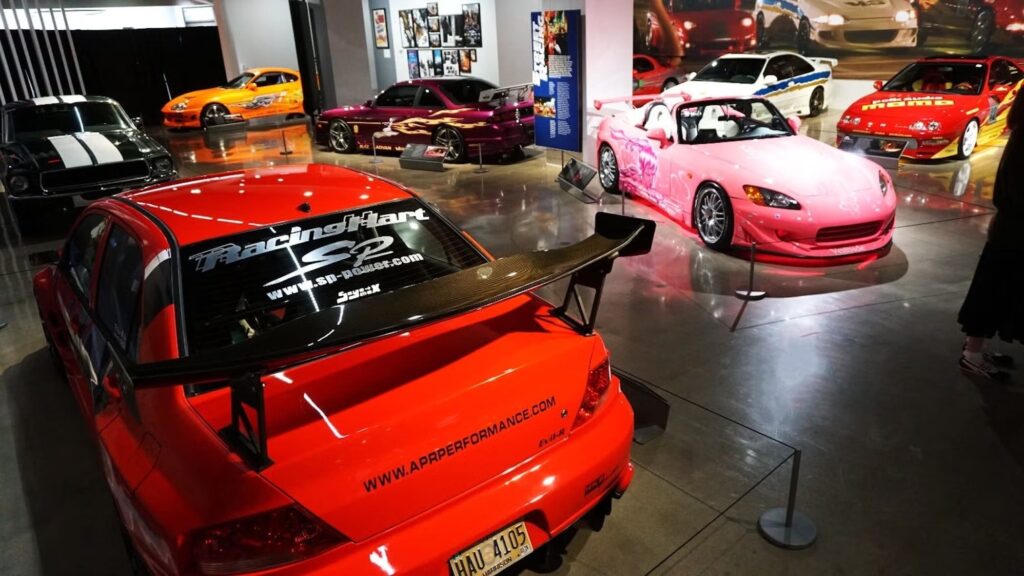
The early films prominently featured modified Japanese imports such as the Nissan Skyline, Toyota Supra, Mazda RX-7, Honda Civic, and Mitsubishi Eclipse. These vehicles reflected the tuning scene that was rapidly growing in popularity during the late 1990s and early 2000s. The colorful paint jobs, body kits, neon lighting, and turbocharged engines showcased in the films helped bring import car culture into the mainstream and sparked a global fascination with performance modifications.
The Toyota Supra: The Franchise’s Most Iconic Car
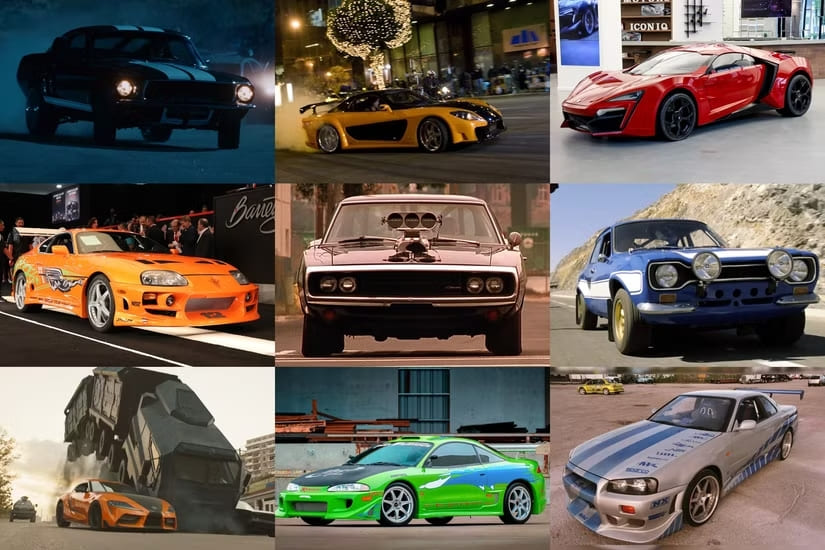
Among all the Fast and Furious cars, few are as legendary as the Toyota Supra driven by Dominic Toretto’s close friend Brian O’Conner. The bright orange Supra featured in the first film quickly became one of the most recognizable movie cars ever created.
The Supra’s popularity exploded after its appearance in the franchise. Equipped with a powerful inline-six engine and significant tuning potential, the real-world Supra became highly sought after by enthusiasts. Its role in the famous race against Dominic’s Dodge Charger cemented its place in automotive history. Even decades after the film’s release, many fans still consider the orange Supra to be the ultimate symbol of the Fast & Furious franchise.
Nissan Skyline GT-R: A Fan Favorite
Another standout among the Fast and Furious cars is the Nissan Skyline GT-R. Brian O’Conner drove several Skyline models throughout the series, including the famous silver-blue Skyline GT-R R34. The car became an instant fan favorite due to its aggressive styling, advanced all-wheel-drive system, and remarkable performance capabilities.
The Skyline GT-R was already respected among enthusiasts before appearing in the movies, but the franchise elevated its status to legendary levels. As a result, demand for Skyline models increased dramatically worldwide. Many collectors and car lovers consider the R34 GT-R one of the greatest performance cars ever built, and its association with the Fast & Furious series only strengthened that reputation.
American Muscle Cars Take Center Stage
While import cars dominated the early films, American muscle cars eventually became equally important within the franchise. Dominic Toretto’s black Dodge Charger is perhaps the most famous muscle car in movie history. Its intimidating appearance, massive power, and dramatic wheel-lifting launches made it a standout vehicle from the very beginning.
Over the years, numerous muscle cars have appeared throughout the series, including the Dodge Challenger, Chevrolet Chevelle, Plymouth Road Runner, and Ford Mustang. These vehicles added a different flavor to the franchise, emphasizing raw horsepower and classic American performance. The contrast between modern imports and vintage muscle cars helped create memorable racing scenes and broadened the appeal of the films.
Exotic Supercars and Hypercars Enter the Scene
As the Fast & Furious franchise expanded globally, the collection of featured vehicles grew even more impressive. Later installments introduced exotic supercars and hypercars from some of the world’s most prestigious manufacturers.
Audiences witnessed vehicles from brands such as Ferrari, Lamborghini, McLaren, Bugatti, and Koenigsegg. One of the most unforgettable moments occurred when a rare Lykan HyperSport leaped between skyscrapers in Dubai during a high-octane action sequence. These extraordinary vehicles added a sense of luxury and spectacle that matched the increasingly ambitious scale of the movies.
The inclusion of such rare and expensive machines demonstrated how far the franchise had evolved from its humble street-racing origins while maintaining its automotive identity.
The Impact on Global Car Culture
The influence of Fast and Furious cars extends far beyond the movie screen. The franchise inspired countless enthusiasts to learn about performance modifications, engine tuning, and automotive customization. Car meets, racing events, and tuning communities experienced significant growth as interest in modified vehicles surged following the films’ success.
Many aftermarket companies benefited from increased demand for performance parts, body kits, wheels, and exhaust systems. Younger generations discovered iconic vehicles through the movies and developed a passion for automobiles that continues today. In many ways, the franchise served as an introduction to car culture for millions of fans worldwide.
Technology and Performance Evolution
One fascinating aspect of Fast and Furious cars is how they reflect the changing automotive landscape. The early movies focused on turbocharged imports and mechanical upgrades, while newer installments showcase cutting-edge technologies, advanced aerodynamics, hybrid systems, and hypercar engineering.
This evolution mirrors real-world developments within the automotive industry. Modern performance vehicles now feature sophisticated electronics, enhanced safety systems, and incredible power outputs that were once unimaginable. The franchise has consistently adapted to these changes, ensuring that the cars remain relevant and exciting for contemporary audiences.
Why Fast and Furious Cars Remain Legendary
More than two decades after the first film’s release, Fast and Furious cars continue to captivate automotive enthusiasts around the globe. Their appeal goes beyond speed and horsepower. Each vehicle tells a story, represents a character, and contributes to unforgettable moments that fans cherish.
From the orange Toyota Supra and Nissan Skyline GT-R to Dominic Toretto’s Dodge Charger and the latest hypercars, these machines have become cultural icons. They symbolize freedom, passion, friendship, and the excitement of pushing automotive performance to its limits. As long as the franchise continues to entertain audiences, the legendary Fast and Furious cars will remain an essential part of its enduring legacy and a source of inspiration for car lovers everywhere.


