






Introduction
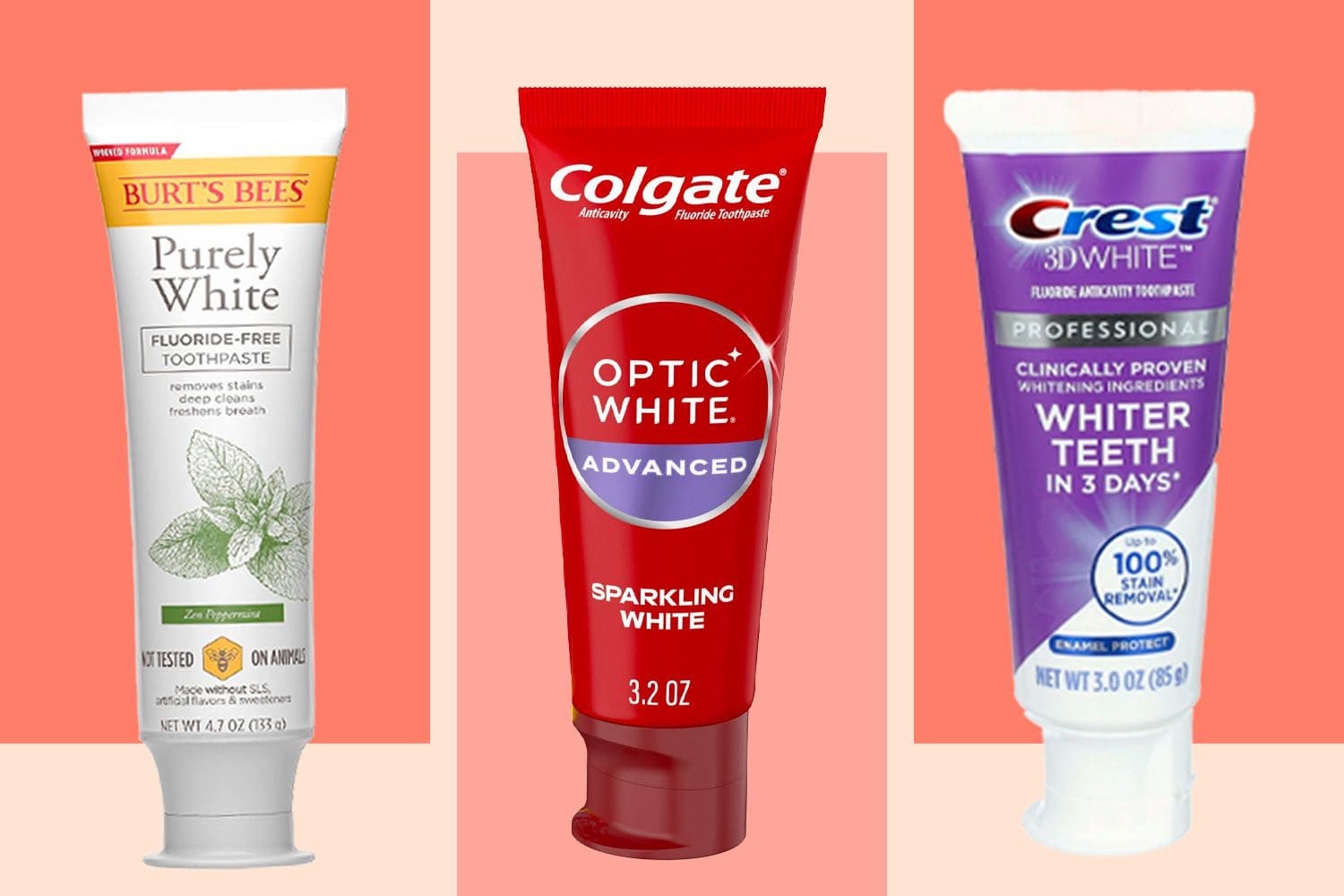
A bright, white smile is often associated with confidence, good health, and proper oral hygiene. Over time, however, teeth can become stained due to factors such as coffee, tea, red wine, smoking, aging, and certain medications. While professional dental whitening treatments can produce dramatic results, many people prefer a more affordable and convenient solution. This is where the best whitening toothpaste can make a difference.
Whitening toothpastes are designed to remove surface stains, improve the appearance of teeth, and support overall oral health when used consistently. Understanding how these products work and what features to look for can help consumers make informed decisions about their dental care routine.

How Whitening Toothpaste Works
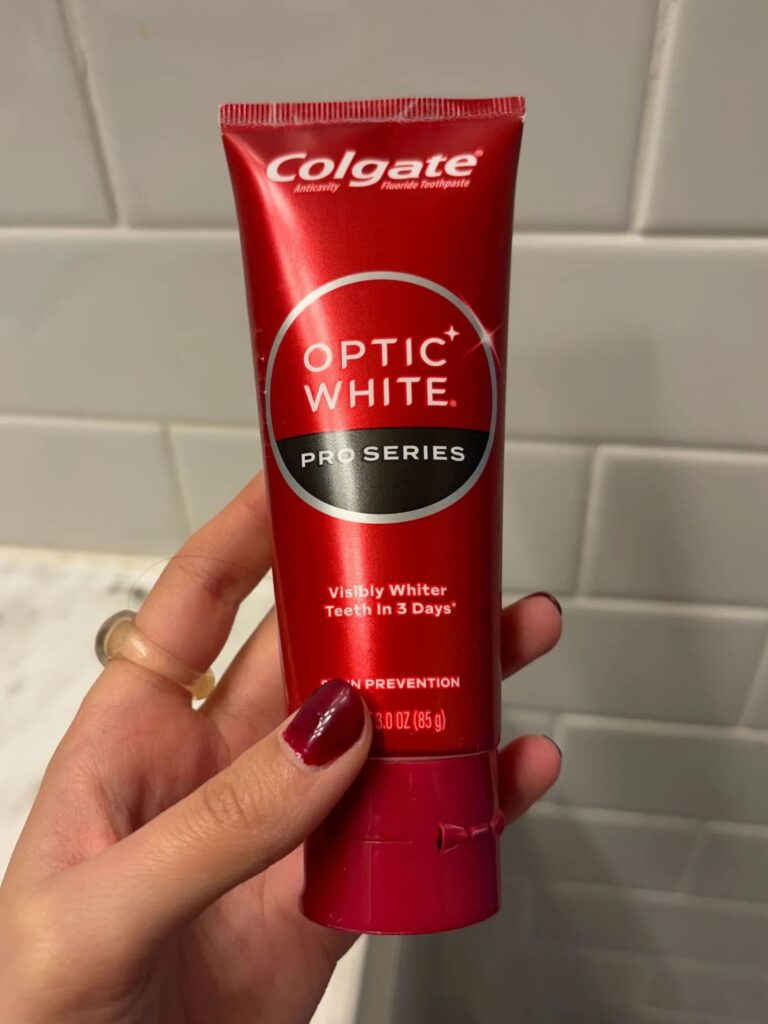
The best whitening toothpaste does not typically bleach teeth in the same way professional whitening treatments do. Instead, most whitening formulas use mild abrasives and stain-removing ingredients to polish the surface of teeth and eliminate discoloration caused by food, beverages, and tobacco. Some products also contain chemical agents such as hydrogen peroxide or carbamide peroxide, which can help lighten stains more effectively over time.
These specialized ingredients work by breaking down stain particles and preventing new discoloration from forming. Regular use can gradually restore a brighter appearance to teeth without requiring expensive dental procedures. However, it is important to understand that results vary depending on the severity of stains and the individual’s oral care habits.
Key Ingredients Found in the Best Whitening Toothpaste
When searching for the best whitening toothpaste, examining the ingredient list is essential. Many high-quality products contain gentle polishing agents such as hydrated silica, which helps remove surface stains without causing significant damage to tooth enamel. Fluoride is another important ingredient because it strengthens enamel and helps prevent cavities while whitening efforts are underway.
Some whitening toothpastes contain hydrogen peroxide, which is known for its stain-lifting properties. Others include baking soda, a popular ingredient recognized for its ability to clean teeth and neutralize acids in the mouth. Activated charcoal is another ingredient found in certain whitening products, although opinions differ regarding its long-term effectiveness and safety. Choosing a toothpaste with scientifically supported ingredients can improve both whitening results and overall dental health.
Benefits of Using Whitening Toothpaste
One of the primary advantages of whitening toothpaste is convenience. Unlike professional whitening procedures that require appointments and higher costs, whitening toothpaste can be incorporated into a daily oral hygiene routine. Brushing twice a day with a whitening formula allows users to gradually reduce stains while maintaining fresh breath and healthy teeth.
Another benefit is affordability. Most whitening toothpastes are readily available in supermarkets, pharmacies, and online stores at reasonable prices. Additionally, many products offer multiple oral health benefits beyond whitening, including cavity protection, plaque control, enamel strengthening, and gum care. This combination makes whitening toothpaste an attractive option for individuals seeking comprehensive dental care.
Factors to Consider When Choosing the Best Whitening Toothpaste
Not all whitening toothpastes are created equal. Some formulas focus primarily on stain removal, while others provide additional benefits such as sensitivity protection or enamel repair. Individuals with sensitive teeth should look for products specifically formulated to minimize discomfort while whitening. These toothpastes often contain ingredients that help block pain signals from reaching the nerves inside the teeth.
Consumers should also consider the level of abrasiveness in a toothpaste. While abrasives can effectively remove stains, excessive abrasion may wear down enamel over time if the product is too harsh. Checking for recommendations from dental professionals and choosing products approved by reputable dental organizations can provide additional confidence in a toothpaste’s safety and effectiveness.
Common Causes of Tooth Discoloration
Understanding the causes of tooth discoloration can help maximize the effectiveness of whitening toothpaste. Foods and beverages such as coffee, tea, cola, berries, and red wine are among the most common contributors to staining. Tobacco use is another major cause of yellow or brown discoloration on teeth.
Age also plays a role in tooth color changes. As people grow older, the outer enamel layer gradually becomes thinner, allowing the naturally yellow dentin beneath to become more visible. Certain medications and medical conditions can also affect tooth color. While the best whitening toothpaste can help address many surface stains, deeper discoloration may require professional dental treatment for noticeable improvement.
Tips for Achieving Better Whitening Results
Using the best whitening toothpaste consistently is important for achieving visible results. Dentists generally recommend brushing twice daily for at least two minutes each time. Proper brushing technique ensures that whitening ingredients have sufficient contact with tooth surfaces to remove stains effectively.
Limiting consumption of stain-causing foods and drinks can also enhance whitening efforts. Drinking water after consuming coffee or tea helps reduce staining, while regular dental cleanings remove plaque and tartar buildup that may contribute to discoloration. Combining whitening toothpaste with other good oral hygiene habits, such as flossing and routine dental visits, can produce healthier and brighter teeth over time.
Are Whitening Toothpastes Safe?
For most people, whitening toothpaste is safe when used as directed. Reputable products are designed to balance stain removal with enamel protection. However, excessive use of highly abrasive products may lead to enamel wear or tooth sensitivity. Individuals who experience irritation, sensitivity, or discomfort should consult a dentist to determine the most suitable oral care products for their needs.
Dentists generally agree that whitening toothpaste is most effective for maintaining brightness and removing surface stains rather than dramatically changing natural tooth color. Managing expectations is important for achieving satisfaction with the results.
Conclusion
Finding the best whitening toothpaste can be an effective step toward achieving a brighter, more attractive smile without the expense of professional whitening treatments. These products help remove surface stains, support oral health, and fit easily into daily routines. By choosing a toothpaste with proven whitening ingredients, maintaining consistent oral hygiene habits, and limiting stain-causing substances, individuals can enjoy noticeable improvements in the appearance of their teeth. While whitening toothpaste may not completely transform deeply stained teeth, it remains one of the most accessible and practical solutions for maintaining a clean, healthy, and confident smile.


