


Prayer Plant: Complete Care Guide
Introduction
The prayer plant is one of the most beautiful and fascinating houseplants you can grow indoors. Loved for its colorful leaves and unique daily movement, this tropical plant adds life and elegance to homes, offices, and indoor gardens. Its common name comes from the way its leaves fold upward during the evening, resembling hands joined together in prayer. This remarkable behavior, known as nyctinasty, makes it stand out from many other houseplants.
Native to the tropical rainforests of Central and South America, the prayer plant thrives in warm, humid conditions. It belongs to the Maranta genus, with Maranta leuconeura being the most popular variety grown as a houseplant. Whether you’re a beginner or an experienced plant enthusiast, understanding how to properly care for a prayer plant will help you enjoy its vibrant foliage for many years.
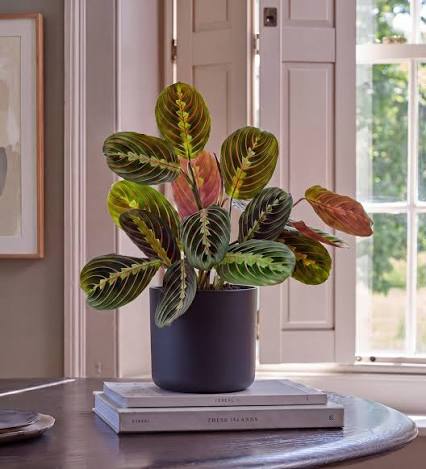
What Is a Prayer Plant?
A prayer plant is a tropical perennial grown primarily for its stunning decorative leaves rather than its flowers. The foliage often features intricate patterns with shades of green, dark purple, red veins, and creamy markings that make each leaf look like a work of art.
Unlike many houseplants, the prayer plant is famous for moving its leaves throughout the day. During daylight hours, the leaves lie flat to absorb sunlight, while at night they fold upward. This natural movement is completely normal and is one of the reasons the plant has become a favorite among indoor gardeners.
Prayer plants remain relatively compact, usually growing between 10 and 15 inches tall, making them perfect for shelves, tabletops, hanging baskets, and small indoor spaces.
Different Types of Prayer Plant
There are several attractive varieties of prayer plants, each offering unique leaf patterns and colors.
The Red Prayer Plant is perhaps the most recognizable, displaying deep green leaves highlighted by bright red veins and lighter green markings. The Lemon Lime variety replaces the red veins with vibrant yellow-green lines, creating a fresh and colorful appearance. Another popular option is the Rabbit Tracks Prayer Plant, known for its dark green spots that resemble animal footprints running along the center of each leaf.
Although plants from the Calathea family are sometimes referred to as prayer plants because they also move their leaves, true prayer plants belong to the Maranta genus.
How to Care for a Prayer Plant
Proper care is essential if you want your prayer plant to remain healthy and vibrant throughout the year.
Light Requirements
Prayer plants thrive in bright, indirect sunlight. Direct afternoon sunlight can scorch the delicate leaves and cause fading or brown patches. A location near an east-facing or north-facing window usually provides ideal lighting conditions. If natural light is limited, the plant also adapts well to artificial grow lights.
Watering
Consistent moisture is one of the keys to successful prayer plant care. Water the plant whenever the top inch of soil feels slightly dry. The soil should remain evenly moist but never soggy, as excessive watering can lead to root rot.
Using filtered, distilled, or rainwater is often recommended because prayer plants can be sensitive to minerals and chlorine found in tap water.
Humidity
High humidity closely mimics the plant’s natural rainforest habitat. Indoor humidity levels of around 50 to 60 percent help prevent crispy leaf edges. If your home is dry, consider placing a humidifier nearby, grouping plants together, or placing the pot on a pebble tray filled with water.
Temperature
Prayer plants prefer temperatures between 65°F and 80°F (18°C to 27°C). They should be protected from cold drafts, air conditioners, and sudden temperature fluctuations that may stress the plant.
Soil
A loose, well-draining potting mix rich in organic matter works best. A mixture containing peat moss or coco coir, perlite, and compost provides excellent drainage while retaining enough moisture for healthy root development.
Fertilizing Your Prayer Plant
During the active growing season in spring and summer, feed your prayer plant every four weeks using a balanced liquid houseplant fertilizer diluted to half strength. Fertilizing encourages lush foliage and healthy growth. Reduce feeding during autumn and winter when the plant naturally slows its growth.
Over-fertilizing can damage the roots and lead to brown leaf edges, so moderation is important.
Common Problems and Solutions
Even with good care, prayer plants may occasionally experience problems.
Brown leaf tips often indicate low humidity or mineral buildup from tap water. Increasing humidity and switching to filtered water usually resolves the issue.
Yellow leaves may be a sign of overwatering or poor drainage. Ensure the soil drains well and avoid allowing the roots to sit in standing water.
Curling leaves frequently indicate underwatering, dry air, or exposure to excessive sunlight. Adjusting watering habits and relocating the plant to indirect light typically helps restore healthy foliage.
Like many houseplants, prayer plants can occasionally attract pests such as spider mites, mealybugs, and fungus gnats. Regularly inspecting the leaves and cleaning them with a damp cloth can help prevent infestations.
Propagating a Prayer Plant
One of the easiest ways to expand your indoor plant collection is by propagating a prayer plant through division. During repotting, gently separate healthy root sections, ensuring each division has several stems and roots. Plant each section into fresh potting mix and water thoroughly.
With proper care, the divided plants quickly establish themselves and begin producing new growth.
Benefits of Growing a Prayer Plant
Beyond its striking appearance, the prayer plant offers several practical benefits for indoor environments. Its colorful foliage creates a calming atmosphere and enhances home décor without requiring excessive maintenance. Caring for houseplants has also been associated with stress reduction and improved mental well-being, making the prayer plant a relaxing companion for homes and workspaces.
Because of its compact size, it fits well in apartments, bedrooms, offices, and small living areas where larger plants may not be practical.
Is the Prayer Plant Safe for Pets?
One of the biggest advantages of owning a prayer plant is that it is generally considered non-toxic to both cats and dogs. Pet owners can enjoy its beautiful foliage with less concern than many other popular houseplants. However, preventing pets from chewing on any houseplant remains a good practice to avoid digestive upset.
Conclusion
The prayer plant is an excellent choice for anyone looking to add colorful, eye-catching greenery to their indoor space. Its distinctive leaf movements, vibrant patterns, and relatively easy care requirements make it one of the most rewarding tropical houseplants available. By providing bright indirect light, consistent moisture, high humidity, and occasional feeding, you can enjoy a healthy prayer plant that continues to produce beautiful foliage throughout the year. Whether you’re decorating your home or expanding your plant collection, this remarkable plant offers lasting beauty and a unique display that captures attention every day.
