

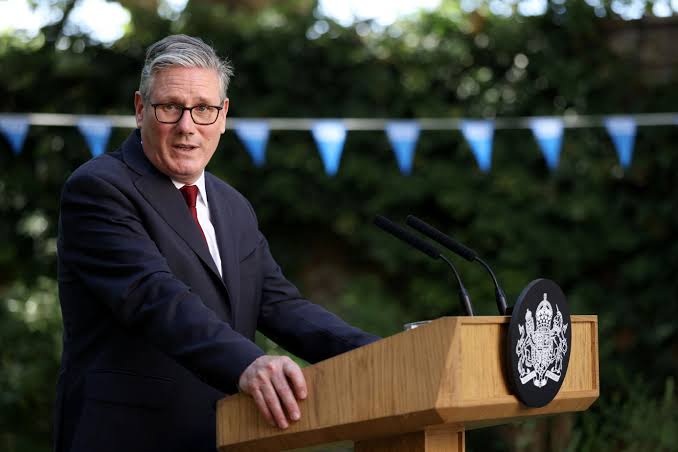

Starmer Legacy: How Burnham’s Rise Is Shaping Labour’s Future
Introduction
Prime Minister Keir Starmer is facing increasing political pressure as he works to shape his long-term legacy while managing growing competition within the Labour Party. Much of the attention has focused on Andy Burnham, the Mayor of Greater Manchester, whose popularity and policy initiatives have prompted speculation about his future role in national politics.
As Labour seeks to deliver on its promises in government, observers believe Starmer is eager to ensure that major reforms are closely associated with his leadership rather than becoming overshadowed by influential regional figures.
The discussion reflects a broader challenge for political leaders: balancing collaboration within their party while maintaining a distinct public identity. With major policy decisions expected over the coming months, the relationship between Starmer and Burnham is increasingly being viewed as an important factor in Labour’s future direction.

Why Starmer’s Legacy Matters
Every prime minister eventually faces questions about how history will judge their leadership. For Starmer, building a lasting legacy depends not only on winning elections but also on successfully implementing policies that improve public services, strengthen the economy, and restore confidence in government.
Political analysts argue that public perception often depends on who receives credit for major reforms. If local leaders become more closely associated with successful initiatives than the national government, it can weaken the prime minister’s standing within both the party and the wider electorate.
As a result, Starmer is expected to place significant emphasis on demonstrating that Labour’s policy agenda is being driven from Downing Street while still working with regional leaders.
Starmer legacy : Andy Burnham’s Growing Influence
Andy Burnham has become one of Labour’s most recognizable political figures outside Westminster. Since becoming Mayor of Greater Manchester, he has built a reputation for advocating greater regional powers, improved public transport, housing investment, and stronger local decision-making.
His willingness to challenge previous governments and campaign for additional funding has earned him considerable public support. Burnham’s high profile has also fueled speculation that he could one day seek a larger national leadership role, although he has repeatedly emphasized his commitment to serving Greater Manchester.
Because of his popularity, commentators frequently compare Burnham’s influence with that of senior figures in the national government.
Starmer legacy : Internal Labour Party Dynamics
Political parties often include multiple influential leaders with different priorities and governing styles. While these figures may broadly agree on policy objectives, questions about leadership, public recognition, and future ambitions can create internal competition.
Within Labour, maintaining unity remains a key objective as the party seeks to demonstrate stability in government. However, political observers note that differences over policy implementation, regional investment, and constitutional reform may become more visible if competing voices gain greater public attention.
Starmer’s leadership team is therefore likely to focus on presenting a coordinated message while acknowledging the important contributions made by regional leaders.
Regional Leadership Versus National Government
One of the defining features of modern British politics has been the growing influence of directly elected mayors. Leaders such as Andy Burnham have gained significant visibility because they oversee major metropolitan areas and regularly engage with national policy debates.
This evolution has changed the relationship between central government and local administrations. While regional leaders often advocate policies tailored to local communities, national governments remain responsible for broader economic strategy, foreign affairs, taxation, and national legislation.
Balancing these responsibilities requires close cooperation, especially when delivering large infrastructure projects or reforms involving transport, healthcare, housing, and public investment.
Starmer legacy : Political Challenges Ahead
The coming years are expected to test the Labour government’s ability to deliver measurable improvements across a range of policy areas. Economic growth, public services, housing affordability, healthcare performance, and regional development are likely to remain central issues for voters.
Success in these areas could strengthen Starmer’s position and reinforce his leadership credentials. Conversely, delays or disagreements over implementation may create opportunities for other prominent Labour figures to gain greater political visibility.
The government’s ability to maintain party unity while delivering tangible results will play a major role in shaping public opinion.
Public Perception and Political Credit
Modern politics is heavily influenced by media coverage and public perception. Leaders often compete not only over policy but also over who receives recognition for successful outcomes.
If regional leaders become strongly associated with popular reforms, national governments may struggle to claim full political credit. This explains why communications strategies have become an increasingly important part of government decision-making.
For Starmer, ensuring that Labour’s achievements are clearly linked to his administration may prove just as important politically as implementing the policies themselves.
The Future of Labour Leadership
Although speculation about future leadership contests regularly appears in British politics, Labour’s immediate priority remains governing effectively. Both Starmer and Burnham have publicly emphasized the importance of delivering results rather than focusing on internal rivalries.
Political analysts generally believe that successful governments benefit from cooperation between national and regional leaders. Strong relationships can improve policy delivery, strengthen public confidence, and reduce unnecessary political distractions.
Whether discussions about future leadership continue will likely depend on Labour’s performance in government and the popularity of its key political figures.
Conclusion
The debate surrounding Keir Starmer’s legacy and Andy Burnham’s growing influence reflects broader questions about leadership, political recognition, and the balance between national and regional government. As Labour works to implement its agenda, both leaders are expected to play important roles in shaping the party’s future.
Ultimately, voters are likely to judge the government on its ability to deliver meaningful improvements rather than internal political dynamics. If Labour succeeds in addressing economic challenges, strengthening public services, and improving regional investment, both Starmer and Burnham could benefit from that success. However, the question of who receives the greatest political credit will remain a closely watched aspect of British politics in the years ahead.
