

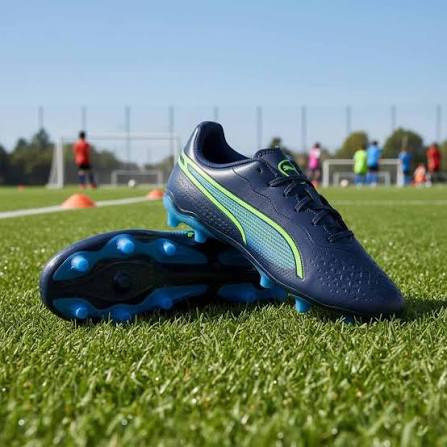

Choosing the right childrens indoor football shoes can make a big difference in comfort, movement, and confidence on the court. Indoor football is played on smooth surfaces, so children need shoes that provide good grip without leaving marks on the floor. The right pair should also feel lightweight, comfortable, and secure during quick movements.
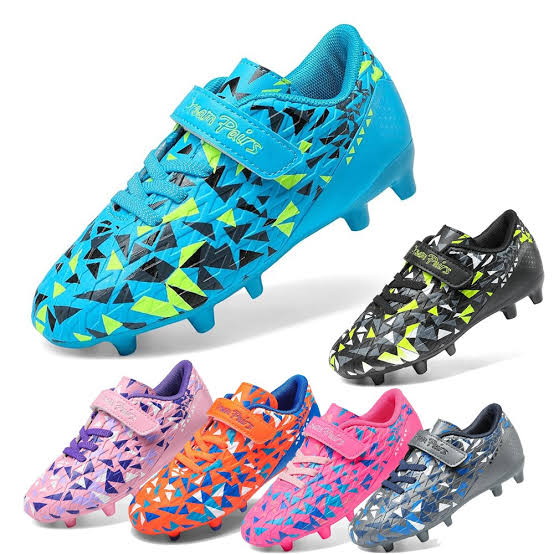
Why Are Indoor Football Shoes Important?
Indoor football involves frequent running, turning, stopping, and changing direction. The right football shoes for children can provide better grip, comfort, and stability on smooth indoor courts. Regular outdoor football boots may not be suitable because their studs are designed for grass and can feel uncomfortable on indoor surfaces.
Children’s indoor football shoes are usually made with flat, non-marking soles that provide better contact with the playing surface. This helps young players move naturally while maintaining balance during the game.
Childrens indoor football shoes : Key Features to Look For
When buying football shoes for children, parents should focus on comfort, fit, grip, and durability rather than choosing a pair based only on appearance.
Important features include:
- Non-marking sole: Helps protect indoor court surfaces and provides reliable traction.
- Comfortable fit: Shoes should fit securely without squeezing the toes.
- Lightweight design: Lighter shoes can make running and quick movements easier.
- Good cushioning: Helps improve comfort during longer training sessions.
- Breathable materials: Ventilation can help keep children’s feet more comfortable.
- Durable construction: Strong materials can handle regular training and matches.
How Should Children’s Indoor Football Shoes Fit?
Fit is one of the most important factors when selecting indoor football shoes. A shoe that is too tight can cause discomfort, while an overly loose shoe may affect stability and movement.
Parents should allow a small amount of space around the toes while making sure the heel does not slide inside the shoe. It is also useful to try the shoes with the type of football socks the child normally wears.
Choosing the Right Sole for Indoor Courts
The sole is especially important for indoor football. Look for a flat rubber outsole designed specifically for indoor surfaces. It should provide enough grip for quick turns while allowing smooth movement.
Avoid using outdoor boots with long studs on indoor courts. They are designed for different playing conditions and may not provide the same level of comfort or control.
Comfort and Durability Matter
Children can spend several hours each week practicing football, so comfortable footwear is essential. A well-designed pair of childrens indoor football shoes should support natural movement without feeling heavy.
Durability is also worth considering. If a child trains regularly, choosing shoes made from strong materials can provide better value over time. However, comfort and proper fit should always come before style.
FAQs
What shoes are best for indoor football?
Flat, non-marking shoes with good grip and cushioning are ideal.
Can children wear outdoor football boots indoors?
It is better to use indoor shoes designed for smooth courts.
How should indoor football shoes fit children?
They should fit securely with enough room for comfortable toe movement.
Are indoor football shoes non-slip?
Good indoor shoes provide reliable grip for quick turns and movements.
How often should children’s football shoes be replaced?
Replace them when the sole, fit, or cushioning becomes worn.
Final Thoughts
Finding the right childrens indoor football shoes is about more than choosing a stylish design. The best pair should offer a secure fit, reliable grip, comfort, and enough durability for regular training and matches. By checking the sole, size, cushioning, and overall construction, parents can choose football shoes for children that help young players enjoy the game with confidence.
