



Investing is an essential financial focus that allows people to grow their cash over the years. Understanding the invest definition allows you to understand how investing works and why it matters. Whether you are saving for the future, planning for retirement, or building wealth, understanding the meaning of investing can make better financial choices. Knowing the fundamentals is the nearest profitable first step to handling your cash wisely.
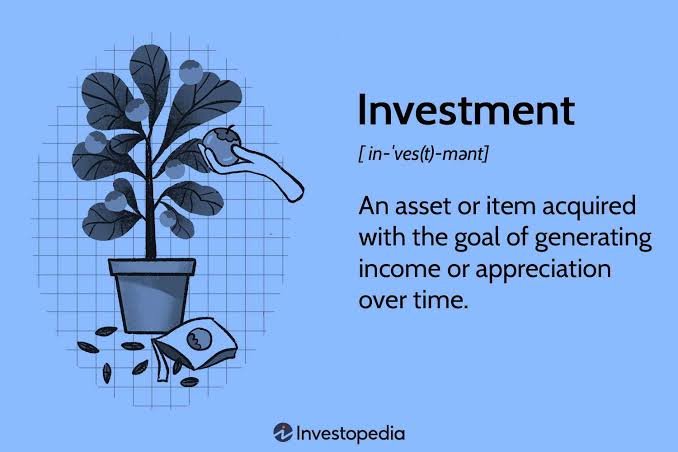
What is investment?
The investment method of putting cash into things or opportunities regardless of income returns within destiny. People can put money into stocks, bonds, real estate, mutual funds, or businesses. But every investment has risks, and profits are by no means guaranteed.
Investing differs from savings because investments can increase or decrease in value. Savings money is generally meant to focus on keeping cash and holding it steady, whereas investments are aimed at achieving potential long-term growth.
Invest definition: Definition of investment and its importance
The definition of investment refers to committing cash, time, or resources to something that can generate future benefits. In finance, it’s usually a method of buying assets to help with the prospect of earnings or increasing in value over the years.
By understanding this definition, beginners can understand what it means to make investments. Instead of keeping all their money unused, investors could also choose suitable prospects based on their desires, budget, and risk tolerance.
Investing can help humans work toward financial independence, save for key expenses, and build wealth consistently. Starting earlier also allows more time for investments to grow through compounding.
Invest Meaning: General type
The meaning of investing can be understood when you look at specific ways people can invest their cash. Each funding type offers exceptional capacity benefits, risks, and time commitments.
Common financing options are:
- Stocks: Buying shares in groups will increase in value or pay dividends to benefit from market gains.
- Mortgages: Lending cash to governments or corporations as an alternative to interest payments.
- Real Estate: Buying a property to earn a condo profit or benefit from potential appreciation.
- Mutual Funds: Investing in a collection of assets managed by specialists.
- Business Investment: Putting money into an enterprise with the intention of making a profit in the future.
Before choosing an option, keep in mind your financial situation, funding timeline, and comfort.
Invest definition: How to start investing.
Beginners can get closer to investing more with a little luck by using a few sensible steps:
- Set monetary dreams: Decide what you need to reap with long-term savings or retirement planning.
- Create a price range: Understand your earnings and expenses before committing cash.
- Build emergency financial savings: Have cash available for contingency fees.
- Research funding options: Know approximately the potential returns, costs, and risks.
- Diversify your portfolio: Consider spreading investments across exceptional assets to reduce the danger of concentration.
- Review your progress: Periodically check your investments and adjust your strategy when necessary.
Avoid making investment cash you can’t afford to lose, and be wary of promises of returns in excess of guaranteed ones.
invest definition: Benefits and risks of investing
Investing gives many benefits in the long run, including wealth growth, additional earnings, and help for future financial dreams. Compounding can help returns generate returns evenly over the years.
However, investments may incur losses because of changes in the marketplace, economic conditions, overall performance of the business, and other elements. Research, endurance, diversification, and sensible expectations can help buyers make more informed choices.
FAQs
What is the invest definition?
Investing means putting money into something for potential future returns.
What is the meaning of investing?
Investing means using money to buy assets that may grow in value.
What are common types of investments?
Stocks, bonds, real estate, and mutual funds are common options.
Is investing risky?
Yes, investments can lose value, and returns are not guaranteed.
How can beginners start investing?
Beginners should set goals, research options, and understand the risks.
Conclusion: Make Smarter Financial Decisions
Understanding the basics of investing can help you take realistic steps towards your financial desires. You could make more informed choices about your money by gaining knowledge about specific things, dealing with risks, and enhancing your regular strategy
Ready to study more about non-public finance and investing? Explore True Globe News for additional informative tutorials, monetary motivations, and useful insights to guide your financial decisions.
