

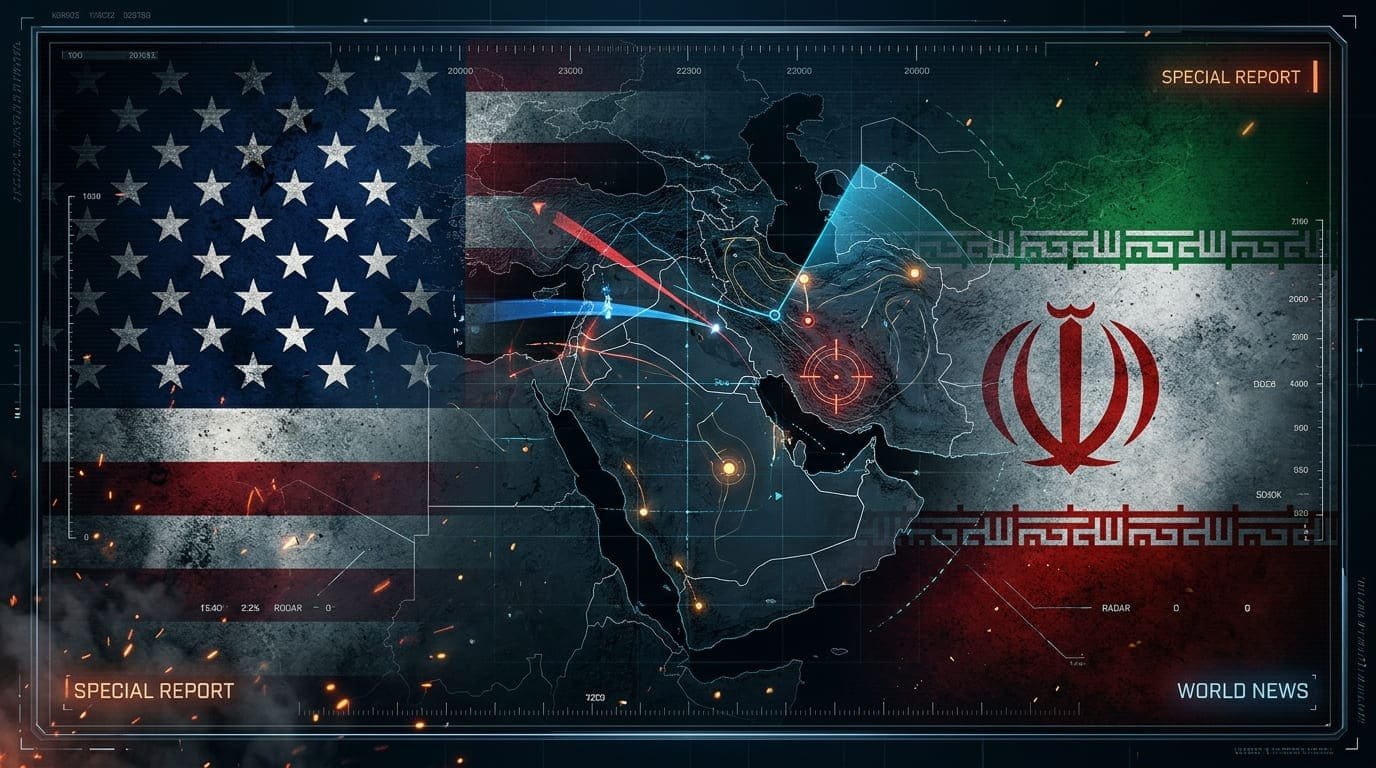

The US-Iran conflict is one of the biggest worldwide stories of 2026, and Trump news Iran war headlines change daily, with claims from different sides often contradicting each other. This guide gives you a clear, structured summary of where things stand, what is being negotiated, and what to watch next.
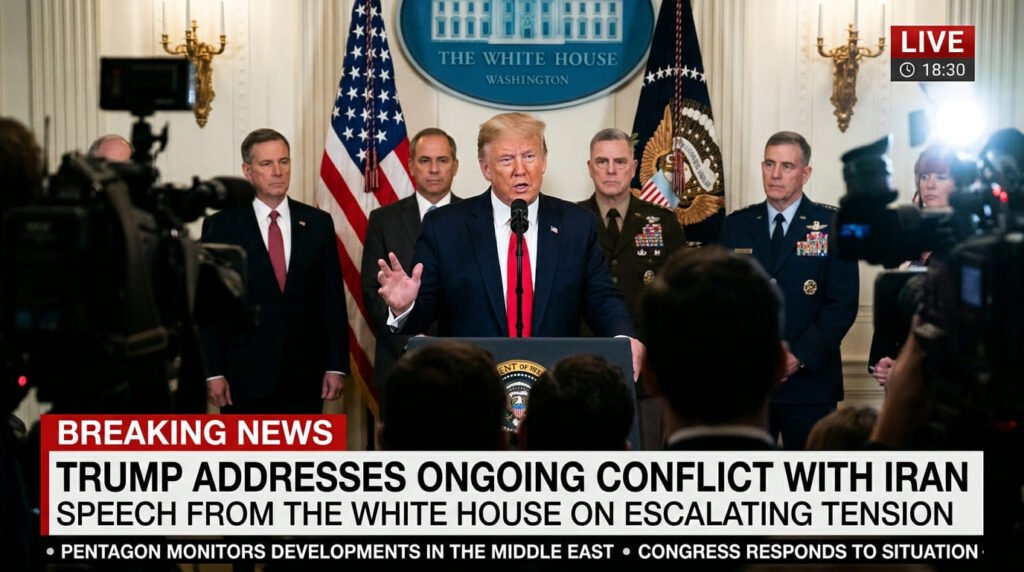
Trump news Iran war: Where the duality stands today
Following trump news, Iran warfare insurance means sorting reality from political messaging. The conflict began after the US-Israeli strike at the end of February 2026. It took into consideration the fact that it went through several rounds of ceasefires, threats, deadlines, and mediation
The latest improvement came on Nov. 9. Trump said he “finished efficiently” militarily after talking to Qatar’s top minister. He additionally defined a “micro-movement” to end the war. That is not always the same as a signed peace deal, and the diplomatic music is still unfinished.
Earlier in November, photographs were less positive. Talks ended, and no breach was made, although Iran said contacts could persist on ending the war. Reuters mentioned that Iran and the United States have nevertheless gone one step further in reaching a deal, at the same time as Trump said he was ready yet in no hurry to strike.
Timeline: How the story developed
Taking a brief look at the important turning points enables us to explain why the information feels so unexpected:
- February 2026: Conflict begins with U.S. and Israeli moves on Iran.
- April 2026: Trump sets and amends several deadlines for Iran to reopen the Strait of Hormuz.
- June 2026: Trump says the conflict is over, but Tehran denies there is a final agreement.
- August 2026: Trump calls the new talks a “closing threat” for Iran to make a deal and stay away from the strait.
- October 2026: Trump cites productive talks and says the United States will not attack Iran again before the November midterm elections.
- November 2026: Iran and Qatar maintain multi-day talks, noted through Trump’s “effectively over” comments on November 9th.
Trump news Iran war: Key issues shaping the negotiations
There are many central debates in almost every circle.
1. The atomic question. Trump said any deal to prevent an Iran conflict could not include nuclear weapons. He added that the conflict began because Iran was beginning work on a new website to develop nuclear weapons and clothing. Iran’s role in what it is able to claim remains a first-rate sticking point.
2. Strait of Hormuz. This delicate waterway contains a large portion of the region’s oil. Reopening it and making it a definite safe passage is critical to dealing with months of proposals.
3. Mediation. Qatar has emerged as a major cross-between. Its position is important because there is little direct consensus between Washington and Tehran.
4. Regional diffusion. Other fronts additionally influence the negotiations. For example, Israel reportedly considered occupying elements of southern Lebanon if Hezbollah joined a potential Iran war.
Mixed messages: Why you should read carefully
One of the most difficult components of this story is the gap between statements and confirmed statistics. Trump has sent mixed warnings about when the conflict will end, and Iran’s Revolutionary Guard Corps has said Iran, not the United States, will have the final say. Following Trump’s June claim, Tehran said it should treat any information about the deal from Trump as if it had previously communicated it, unless Iran itself released the information.
Both governments use public statements to apply pressure, so an unwed statement never tells the whole story. Some developments also surface later. For example, court dockets revealed that the Trump administration held secret talks with Iran about deporting Iranians at the same time the conflict turned into happening anyway
A few behaviors will help you study the news more reliably:
- Check whether Washington and Tehran have verified the declaration.
- Make comparisons based on at least two or three news reports.
- Check the dates, as the situation has generally changed.
- Treat “deal reached” headlines as unconfirmed until info is published.
What to see next
These indicators will matter most in the coming weeks:
- Whether Qatar-led talks lead to a written settlement
- Trump’s attitude toward the new phase might change. He said new attacks were fantastically unlikely by the time the negotiations saw developments.
- Any new news involving different international powers. Trump has said he expects to discuss the Iran conflict and nuclear disarmament with Xi and Putin.
- Oil costs and transportation activities in the Gulf region
Why the Trump-Iran war matters globally
Trump affects the Iran war in one way more without delay of 2 international locations. Energy markets react quickly to every headline. When Trump announced the end of the conflict in June, inventory markets rose, and oil prices fell. Any hint of renewed war could just as quickly be the opposite.
For everyday people, this will mean adjustments for gas costs, shipping fees, and the price of everyday items. For governments, war raises questions about nuclear policy, alliances, and the stability of the Middle East. That’s why even small updates from the negotiating table get a lot of interest globally.
FAQs
1. When did the Iran war begin?
It began on February 28, 2026.
2. Is the Trump-Iran war over?
Trump says it is militarily “effectively over,” but no final deal is confirmed.
3. Who is mediating the talks?
Qatar is the main mediator between the US and Iran.
4. What is the main issue in the negotiations?
Trump says Iran cannot have a nuclear weapon in any deal.
5. Why does the Iran war affect oil prices?
Markets and oil prices react to every sign of peace or escalation.
Conclusion:
The fight is more towards a negotiated outcome than it has been in months, but nothing too final. Military claims of “powerful abandonment” have come to be no longer a signed settlement shown using each party. Until that happens, imagine more twists and turns, additional deadlines, and more conflicting statements.
Want to live informed? Bookmark this page, share it with friends and family observing global affairs, and submit comments with your questions. We will cull them at our next stop.
