

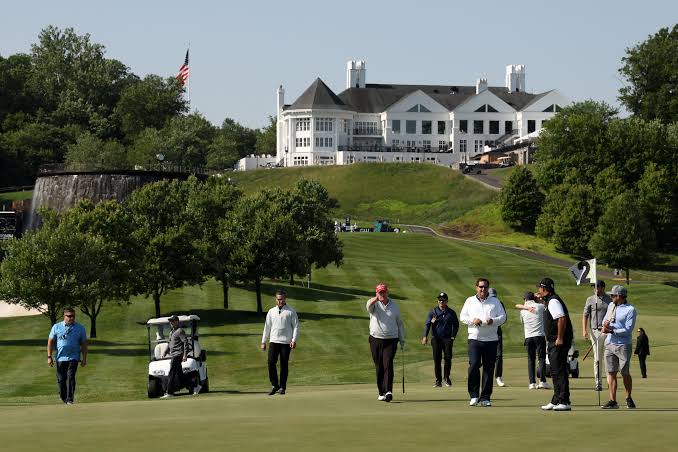

Restaurant at Trump’s DC Golf Club Faces Health Code Violations
Introduction
A restaurant located at President Donald Trump’s golf club near Washington, D.C., has come under renewed scrutiny after receiving multiple health code violations related to persistent pest activity. Health inspection reports revealed concerns ranging from evidence of rodents and insects to sanitation issues that inspectors said required corrective action.
The findings have attracted widespread attention because of the high-profile nature of the property and have sparked discussions about food safety standards, restaurant inspections, and the importance of maintaining sanitary conditions in hospitality businesses.
While health code violations are not uncommon in the restaurant industry, repeated issues involving pests often raise concerns about food handling practices, facility maintenance, and compliance with local health regulations. The latest inspection results have prompted questions about how the restaurant plans to address the problems and prevent future violations.
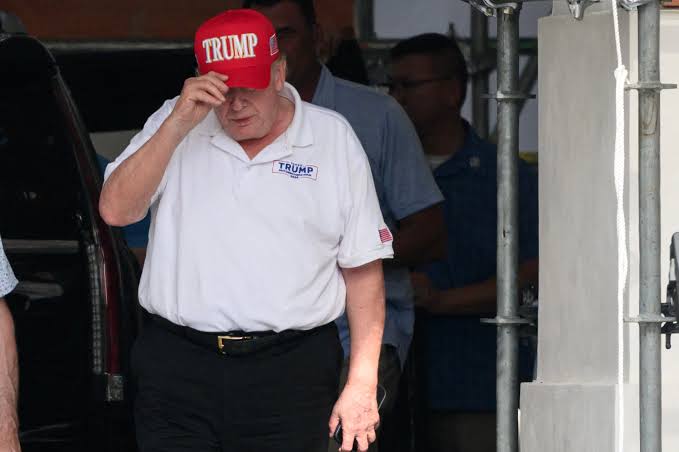
Details of the Health Inspection
According to inspection reports, health officials identified several violations during routine inspections at the restaurant operating within Trump’s Washington-area golf club. Among the most significant findings were signs of persistent pest activity, including evidence that inspectors said indicated the presence of rodents or insects within certain parts of the facility.
Inspectors also reportedly noted sanitation deficiencies and maintenance concerns that could contribute to pest infestations if left unresolved. Such findings generally require restaurants to implement corrective measures within a specified period to remain in compliance with local health regulations.
Health inspections are designed to protect public health by ensuring restaurants maintain safe food storage, proper sanitation, and effective pest control procedures. Violations are documented so businesses can address deficiencies before they become more serious.
Restaurant at Trump’s DC golf : Why Pest Violations Matter
Pest-related health code violations are considered particularly important because rodents and insects can contaminate food, kitchen equipment, and food preparation surfaces. They may carry bacteria and other harmful microorganisms that increase the risk of foodborne illnesses if proper sanitation measures are not maintained.
Restaurant operators are expected to implement comprehensive pest management programs that include regular inspections, proper food storage, waste disposal, structural maintenance, and professional pest control services. Preventing infestations requires continuous monitoring rather than one-time treatments.
Even when no illnesses are reported, inspectors often require immediate corrective action whenever evidence of pests is discovered inside food service establishments.
How Restaurant Health Inspections Work
Health departments routinely inspect restaurants to evaluate compliance with food safety regulations. Inspectors typically examine kitchen cleanliness, food temperatures, employee hygiene practices, equipment maintenance, pest prevention efforts, and overall sanitation throughout the establishment.
Violations are usually classified based on their potential risk to public health. Critical violations often require immediate correction because they could directly contribute to food contamination or illness. Non-critical violations may still require corrective action but generally present a lower immediate risk.
Restaurants receiving violations are commonly subject to follow-up inspections to verify that identified problems have been corrected.
Restaurant at Trump’s DC golf : Response From the Restaurant
Following reports of the inspection findings, attention has focused on how the restaurant intends to respond. Businesses facing health code violations typically work with inspectors to correct deficiencies, implement additional cleaning procedures, improve pest control measures, and repair any structural issues that may allow pests to enter the facility.
Many restaurants also conduct internal reviews of food safety practices and employee training after receiving inspection reports. Addressing the underlying causes of violations is often essential to preventing repeat findings during future inspections.
As with many inspection reports, corrective actions can often be completed quickly when management responds promptly to recommendations from health officials.
Public Reaction and Media Attention
Because the restaurant is associated with President Donald Trump’s golf club, the inspection findings have received considerable media coverage. Public attention has extended beyond the restaurant itself, with discussions focusing on food safety expectations at high-profile hospitality venues.
Supporters have argued that health inspections are routine and that many restaurants receive violations before correcting them. Critics, meanwhile, have questioned why repeated pest-related issues reportedly continued over multiple inspections.
The incident illustrates how restaurants connected to prominent public figures often receive greater public scrutiny than similar businesses that experience comparable regulatory issues.
The Importance of Food Safety Compliance
Regardless of ownership or reputation, all restaurants are expected to comply with the same food safety standards established by local health authorities. Maintaining clean kitchens, controlling pests, storing food properly, and following sanitation procedures help reduce the risk of contamination and protect customers.
Food safety experts emphasize that prevention is more effective than responding after violations occur. Routine maintenance, employee training, and proactive pest management remain among the most effective strategies for maintaining compliance.
Regular inspections also encourage continuous improvement by identifying areas where restaurants can strengthen their food safety systems.
Restaurant at Trump’s DC golf : Potential Business Impact
Health code violations can affect a restaurant’s reputation, particularly when inspection reports become publicly available. Customers may become more cautious about dining at establishments that receive repeated sanitation citations, especially when pest activity is involved.
Businesses often respond by increasing transparency regarding corrective actions, investing in facility improvements, and emphasizing their commitment to customer safety. Successfully resolving inspection issues can help restore consumer confidence over time.
For high-profile establishments, public perception may play an even larger role, as media attention often amplifies inspection findings beyond local audiences.
Conclusion
The health code violations reported at the restaurant within Trump’s Washington-area golf club highlight the importance of maintaining strict food safety and sanitation standards. While health inspections frequently identify issues that restaurants later correct, repeated pest-related findings attract particular attention because of their potential impact on public health.
As health officials continue monitoring compliance and the restaurant works to address inspection findings, the situation serves as a reminder that every food service establishment regardless of its profile or ownership is expected to meet established health regulations. Effective pest control, routine sanitation, and ongoing compliance remain essential for protecting customers and maintaining public confidence.
