

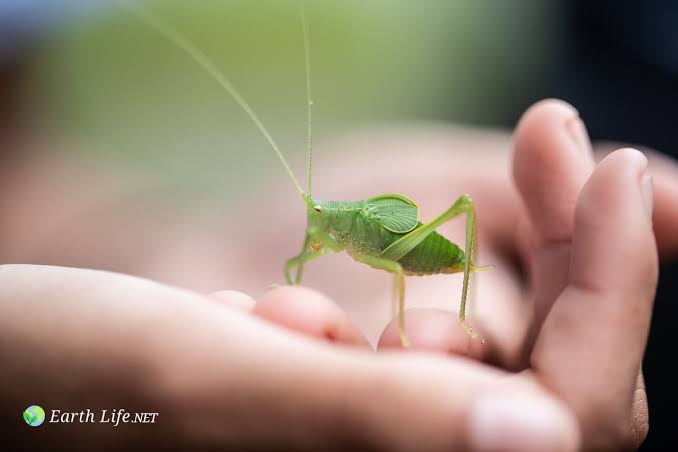

If you have ever wondered how long do crickets live, the answer depends on the species, temperature, food supply, and environment. Most common crickets have relatively short lives compared with many other insects. In general, a cricket may live for several weeks to a few months, although some species can survive longer under favorable conditions.
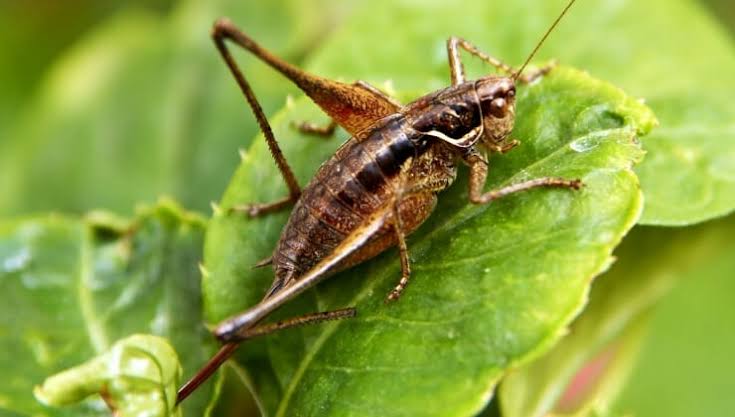
How Long Do Crickets Live?
Crickets are fascinating insects with a relatively short life compared with many other animals. The cricket lifespan depends on several factors, including species, temperature, food supply, water, and living conditions. Most common crickets survive for several weeks to a few months, although some species may live longer in favorable environments.
Temperature plays an important role. Warmer conditions can speed up a cricket’s growth and development, while cooler temperatures may slow these processes. Food, water, shelter, and predators can also affect survival.
Cricket Life Cycle
A cricket goes through several stages before reaching adulthood. Unlike butterflies, crickets do not have a pupal stage.
The main stages include:
- Egg: Female crickets lay eggs in soil or other suitable places.
- Nymph: Young crickets hatch from eggs and look like small versions of adults.
- Growth: Nymphs shed their skin several times as they grow.
- Adult: Mature crickets develop fully formed wings and can reproduce.
- Reproduction: Adult females lay eggs, beginning the cycle again.
This process is known as incomplete metamorphosis.
What Affects Cricket Lifespan?
Several environmental factors can influence the cricket lifespan. A cricket with access to food, moisture, and a suitable temperature may survive longer than one exposed to harsh conditions.
Important factors include:
- Temperature: Extreme heat or cold can reduce survival.
- Food: Crickets need suitable food for energy and growth.
- Water: Access to moisture is important for healthy development.
- Shelter: Hiding places can protect crickets from predators.
- Predators: Birds, reptiles, spiders, and other animals commonly feed on crickets.
- Species: Different cricket species naturally have different lifespans.
How Long Do Crickets Live Without Food?
A cricket cannot survive indefinitely without food. Its survival time depends on temperature, access to water, age, and overall health. In warm conditions, a cricket may use its energy reserves more quickly. Access to water can also make a significant difference.
This is why crickets kept as feeder insects need proper food, moisture, ventilation, and temperature to remain healthy.
Do Crickets Live Longer in Captivity?
Crickets can sometimes live longer in captivity when they are provided with appropriate care. A controlled environment can protect them from predators and extreme weather. However, overcrowding, poor ventilation, excessive moisture, or a lack of food can shorten their lives.
For people raising crickets, maintaining suitable temperature, cleanliness, food, and hydration is important for supporting a healthy cricket lifespan.
FAQS
How long do crickets live after they start chirping?
Usually, adult crickets live for several weeks after they begin chirping.
How do you get rid of a cricket you can’t find?
Reduce hiding places, remove food sources, and use traps near areas where you hear chirping.
How to stop crickets from chirping?
Reduce light and warmth around their hiding area and remove the cricket if possible.
Do crickets feel pain or fear?
Crickets respond to harmful stimuli and threats, but whether they experience pain or fear like humans remains uncertain.
How intelligent are crickets?
Crickets can learn, remember, navigate their surroundings, and respond to different sounds and environmental cues.
Conclusion
So, how long do crickets live? Most common crickets live for several weeks to a few months, with their lifespan influenced by species, temperature, food, water, predators, and living conditions. Learning about the cricket lifespan also helps explain why these insects can appear and disappear quickly throughout the year.
