

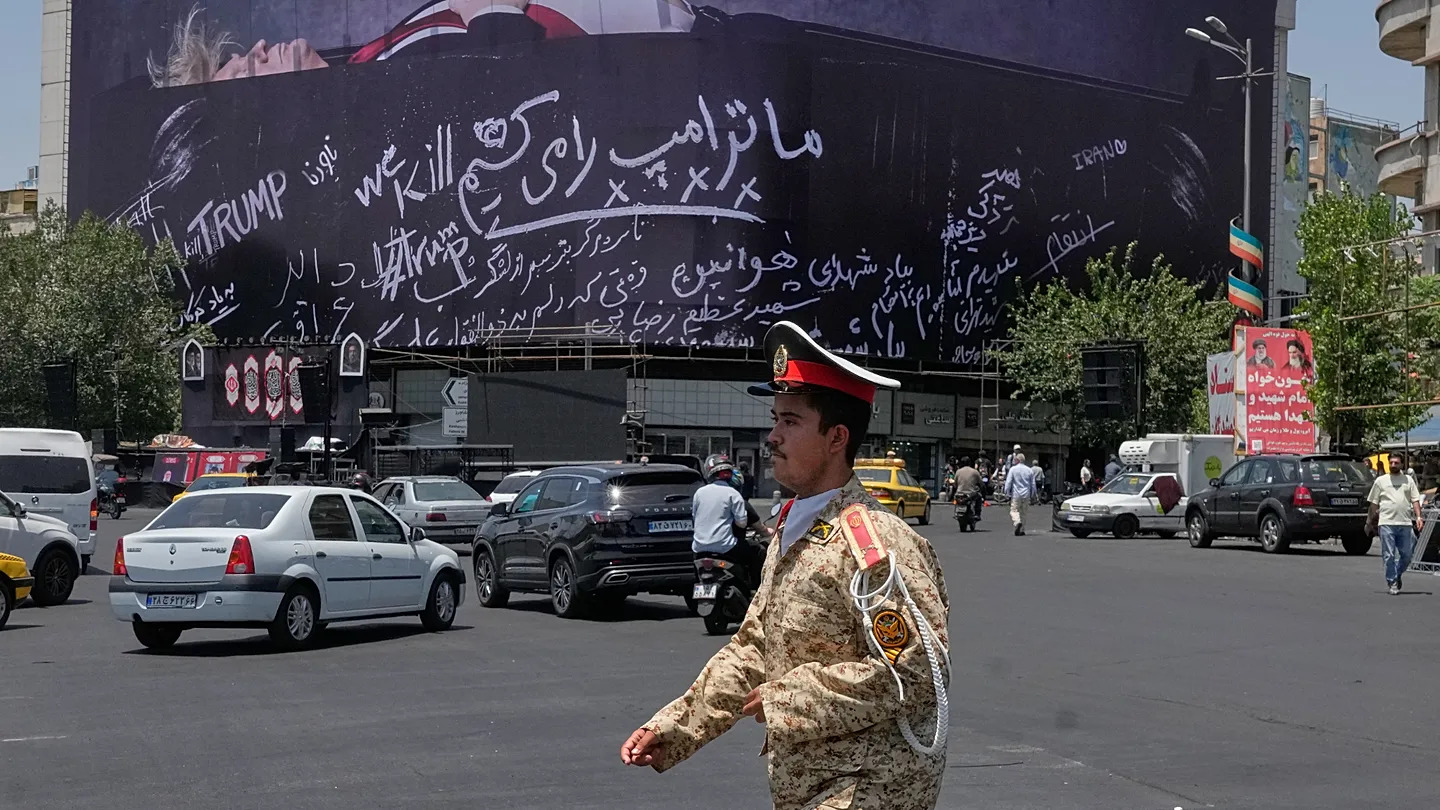

Iran War: Tehran Attacks Kuwait, Jordan and Bahrain
The conflict involving Iran and the United States has continued to send shockwaves across the Middle East, with tensions spreading beyond the main battlefield and raising fears of a wider regional confrontation. Iran war: Tehran attacks Kuwait-Iraq border crossing, Jordan, Bahrain has become a major focus as reports of Iranian retaliatory attacks and military activity involving Gulf states and neighboring countries underline the rapidly changing security situation.
The latest escalation comes amid continuing military operations and a growing dispute over Iran’s response to US strikes. Regional countries, many of which host American military personnel or facilities, have found themselves increasingly exposed to the consequences of the conflict. As governments reinforce their defenses and monitor missile and drone threats, international concern is growing over the possibility that the war could expand further.
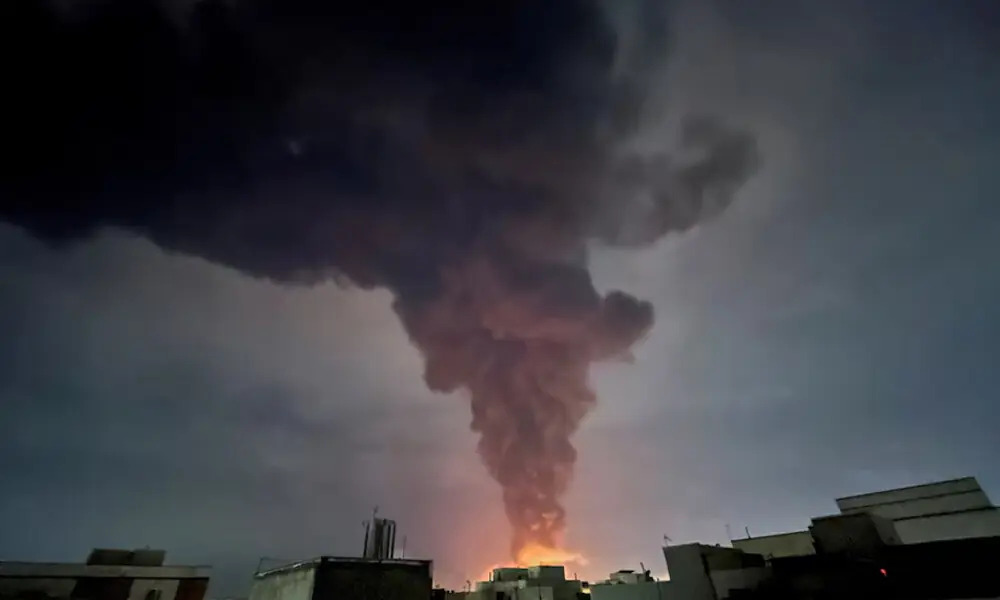
Iran Retaliates After US Strikes
The latest developments followed US military strikes against targets in Iran, which Washington described as actions taken in self-defense and in response to what it characterized as continued Iranian aggression. Tehran strongly condemned the attacks, arguing that the US military campaign had undermined diplomatic efforts and increased the danger of a broader war.
Iran’s Islamic Revolutionary Guard Corps, according to Iranian reports cited by Al Jazeera, announced retaliatory strikes against US forces in the region. The reported targets included military positions in Kuwait, Bahrain and Jordan, all of which have strategic importance because of their relationship with the United States and their geographic position in the Middle East.
The development immediately raised concerns among regional governments. Any attack involving territory used by US forces could potentially trigger further military action, creating a cycle of escalation that could become increasingly difficult to control.
Iran war : Kuwait and the Iraq Border Become a Major Security Concern
Kuwait has remained one of the countries most exposed to the conflict because of its location near Iran and Iraq and its role as a host to US military infrastructure. Reports of attacks connected to the wider conflict have placed additional pressure on Kuwaiti authorities to protect critical infrastructure and prevent the fighting from spreading into civilian areas.
The Kuwait-Iraq border is particularly sensitive because it sits at the intersection of several strategic interests. The area connects important transportation routes and is close to the Gulf, making any disruption potentially significant for trade and regional movement. While individual reports about specific border crossings require careful verification, the broader pattern of attacks and military activity has demonstrated how quickly the conflict can affect neighboring states.
Earlier in the conflict, Gulf countries also reported damage to important infrastructure. Kuwait, for example, experienced attacks affecting energy and water facilities, highlighting the potential consequences of strikes on essential services in a region where desalination and energy infrastructure are vital to daily life.
Iran war : Jordan and Bahrain Face Growing Pressure
Jordan has also become part of the wider security picture. The country occupies a strategically important position between several major conflict zones and has close security ties with the United States and other Western nations. Reports of Iranian retaliation involving US-linked positions in Jordan have therefore increased concerns about the possibility of the conflict reaching deeper into the region.
Bahrain faces a similar challenge. The island nation has long-standing military and security ties with Washington and is home to the US Navy’s Fifth Fleet, making it strategically important to American operations in the Gulf. Any attack involving Bahrain could have consequences well beyond the country’s borders and potentially affect maritime security throughout the region.
The reported Iranian attacks on Bahrain, Kuwait and Jordan have therefore been closely watched by governments around the world. The UAE, Kuwait, Bahrain, Saudi Arabia, Qatar and Jordan have previously condemned Iranian attacks and activities linked to armed groups operating from the region, while emphasizing their right to defend their sovereignty under international law.
Strait of Hormuz Adds Another Layer of Risk
The military escalation is taking place alongside growing tensions around the Strait of Hormuz, one of the world’s most important energy routes. Iran’s threats and actions affecting maritime traffic have created additional uncertainty for shipping companies, energy markets and governments dependent on stable oil supplies.
The situation has become even more complicated as the conflict has expanded to other strategic waterways. On July 23, 2026, Iran-aligned Houthi forces attacked two Saudi oil tankers in the Red Sea, according to reports from The Associated Press. The attacks added to concerns that disruptions in both the Strait of Hormuz and the Bab el-Mandeb could put pressure on global energy supplies and international trade.
Oil prices have already reacted sharply to the growing instability. Any prolonged disruption to major shipping routes could increase transportation costs and push energy prices higher, potentially affecting consumers far beyond the Middle East.
Fear of a Wider Regional War
The biggest concern surrounding the latest developments is the possibility of a much broader regional conflict. What began as direct confrontation between Iran and its opponents has increasingly involved countries that may not be direct participants in the war but are strategically connected to the United States or located near key military and economic routes.
For governments across the Gulf and the wider Middle East, the priority is now to strengthen air defenses, protect critical infrastructure and prevent the conflict from expanding further. At the same time, diplomatic efforts remain essential because continued military escalation could create consequences that extend far beyond the immediate combatants.
The United States is also facing increasing pressure as the war continues. Reuters reported that the conflict has imposed significant financial and military costs on Washington, while disruptions around the Strait of Hormuz and threats to Red Sea shipping have added to the challenges facing global energy markets.
What Happens Next?
The coming days could prove critical for the future of the conflict. If attacks against US-linked positions in Kuwait, Bahrain or Jordan continue, Washington could face pressure to respond with additional military operations. At the same time, Iran may seek to maintain pressure through missile and drone capabilities, maritime disruption and regional allies.
For civilians across the Middle East, the consequences are already serious. Continued fighting threatens infrastructure, disrupts travel and trade, increases energy costs and creates uncertainty for millions of people.
The Iran war: Tehran attacks Kuwait-Iraq border crossing, Jordan, Bahrain developments demonstrate how quickly a conflict can spread across national borders. With tensions remaining high and critical energy routes under pressure, international diplomatic efforts will be crucial in preventing another major escalation. The immediate future remains uncertain, but the growing involvement of neighboring countries shows that the consequences of the Iran war are no longer confined to Iran and its principal adversaries.
