


Iran-US War Latest: Trump Responds to US Base Attack
The escalating tensions between Iran and the United States have once again placed the Middle East at the center of global attention. Reports of attacks targeting U.S. military bases have sparked international concern, while former U.S. President Donald Trump has issued a strong response, criticizing Iran’s actions and calling for decisive measures.
As governments monitor the rapidly changing situation, analysts warn that further escalation could have far-reaching consequences for regional security, global energy markets, and international diplomacy. The latest developments highlight the fragile balance in one of the world’s most volatile regions.
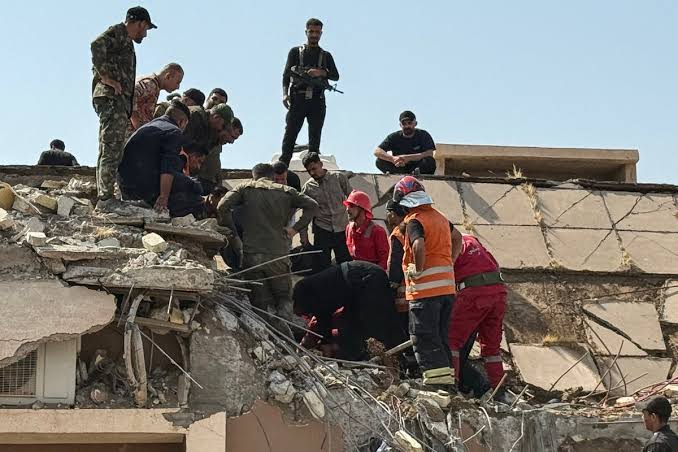
Iran-US War Latest : Reported Attacks on US Military Bases
Recent reports indicate that several U.S. military installations in the Middle East were targeted in suspected missile and drone attacks. While initial assessments suggested limited structural damage and no major casualties, military officials immediately launched investigations to determine the origin of the strikes. Regional security sources believe that Iranian-backed militant groups may have been involved, although official confirmation remains limited.
The attacks have heightened security across American bases in Iraq, Syria, and neighboring countries. Additional air defense systems have reportedly been activated, and U.S. troops have been placed on increased alert as commanders assess the possibility of follow-up attacks. The incidents underscore the ongoing risks facing American forces stationed throughout the region amid persistent geopolitical tensions.
Iran-US War Latest : Trump Responds with Strong Warning
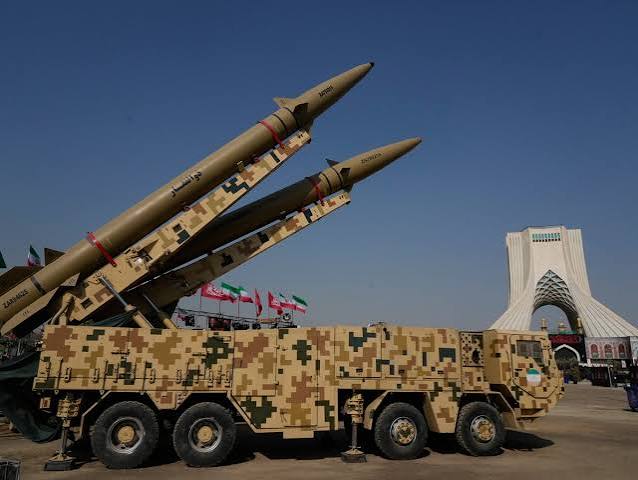
Former President Donald Trump reacted swiftly to the reported attacks, condemning those responsible and arguing that stronger deterrence is necessary to prevent further aggression. Trump stated that any attack on American military personnel or facilities should receive an immediate and forceful response, emphasizing that the United States must demonstrate strength to discourage future threats.
Trump also criticized the current administration’s Middle East policies, suggesting that they have failed to contain Iran’s regional influence. According to Trump, maintaining a strong military presence and clear foreign policy strategy is essential for protecting U.S. interests and allies. His remarks quickly gained attention among political leaders and international observers, reigniting debate over America’s role in the Middle East.
Iran-US War Latest : Rising Tensions Between Iran and the United States
Relations between Washington and Tehran have remained strained for years due to disagreements over Iran’s nuclear program, economic sanctions, regional military activities, and support for armed groups across the Middle East. Although diplomatic efforts have occasionally reduced tensions, periodic military confrontations continue to threaten regional stability.
The latest reported attacks represent another chapter in the long-running conflict between the two nations. Military analysts note that even limited strikes can quickly trigger broader confrontations if retaliatory actions follow. Both sides have previously exchanged warnings, making the current situation particularly sensitive for international diplomats seeking to prevent further escalation.
Regional Allies Closely Monitoring Developments
Countries across the Middle East are carefully watching the evolving crisis. Gulf nations have strengthened security around key infrastructure, including military facilities and oil production sites, fearing that regional instability could spread beyond the immediate conflict zones.
Israel has also increased military preparedness, while neighboring countries continue coordinating intelligence efforts with international partners. Regional governments remain concerned that prolonged hostilities could disrupt trade routes, threaten civilian populations, and increase the risk of wider military engagement involving multiple countries.
Impact on Global Oil Markets
Any significant confrontation involving Iran and the United States immediately affects global energy markets. Investors closely monitor developments because the Middle East remains one of the world’s most important oil-producing regions. Even reports of military activity near strategic shipping routes can lead to higher oil prices due to concerns about supply disruptions.
Market analysts suggest that continued instability could increase transportation costs, affect global inflation, and create uncertainty for international businesses. Energy-importing countries are particularly vulnerable to sudden price increases, making diplomatic efforts increasingly important for maintaining economic stability.
International Community Calls for Restraint
World leaders and international organizations have urged both sides to avoid actions that could worsen the crisis. Diplomatic channels remain active as governments encourage dialogue instead of military escalation. Many countries have emphasized the importance of protecting civilians and preserving regional peace while supporting efforts to investigate the reported attacks.
The United Nations and several European governments have reiterated the need for restraint, warning that another major conflict in the Middle East would have severe humanitarian and economic consequences. International observers continue encouraging all parties to prioritize diplomacy over confrontation.
Military Preparedness Increases Across the Region
Following the reported attacks, U.S. military forces have reportedly enhanced surveillance operations, strengthened defensive positions, and increased intelligence-sharing with allied nations. Additional reconnaissance flights and naval patrols have also been observed in strategic areas to monitor potential threats.
Defense experts note that such precautionary measures are standard during periods of heightened tension. However, they also warn that increased military activity can raise the possibility of accidental confrontations, making effective communication between regional powers even more critical
What Could Happen Next?
The coming days will likely determine whether the situation stabilizes through diplomatic engagement or moves toward further military confrontation. Much depends on the results of ongoing investigations into the reported attacks, as well as the responses from both Washington and Tehran.
If additional attacks occur or retaliation follows, regional security conditions could deteriorate rapidly. On the other hand, successful diplomatic efforts may help reduce tensions and prevent a broader conflict. Global leaders continue monitoring developments closely, recognizing that decisions made in the near future could significantly influence Middle Eastern stability and international security.
Conclusion
The Iran-US War Latest developments have once again highlighted the fragile security environment in the Middle East. Reports of attacks on U.S. military bases, combined with Donald Trump’s forceful response, have intensified international attention at a time of already elevated regional tensions. While military readiness has increased across the region, world leaders continue urging restraint and diplomatic engagement to prevent further escalation. As investigations continue and political leaders weigh their next steps, the international community remains focused on avoiding a conflict that could have serious consequences for global security, energy markets, and regional stability.
