

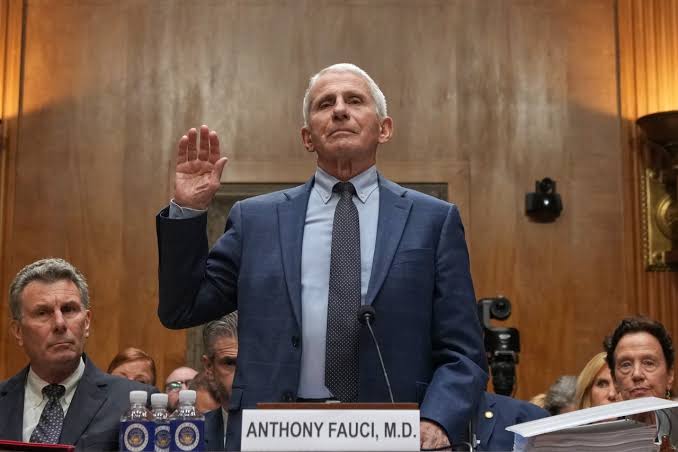

Dr. Anthony Fauci Faces Heated Senate Hearing
Former White House chief medical adviser Dr. Anthony Fauci returned to Capitol Hill for a highly charged Senate hearing that quickly became one of the most closely watched political events in Washington. During questioning led by Republican lawmakers, Fauci invoked his Fifth Amendment right against self-incrimination more than 100 times, declining to answer a series of questions related to the U.S. government’s handling of the COVID-19 pandemic, the origins of the coronavirus, and allegations that he misled Congress. The hearing intensified long-running political divisions over the pandemic and prompted Republican senators to consider pursuing a contempt of Congress charge against the former health official.
Why Fauci Invoked the Fifth Amendment
The Fifth Amendment to the U.S. Constitution protects individuals from being compelled to provide testimony that could incriminate them. Fauci’s legal team advised him to invoke this constitutional protection throughout much of the hearing. According to Fauci, the investigation had become politically charged and was designed to create grounds for criminal prosecution rather than uncover new facts. He argued that repeated public statements by some lawmakers calling for his imprisonment made it impossible to testify freely without legal risk.
Although invoking the Fifth Amendment is a constitutional right and does not imply guilt, the decision immediately became a major political issue. Republicans argued that the public deserved answers from the nation’s former top infectious disease expert, while Democrats defended Fauci’s decision as a legitimate legal safeguard in an adversarial setting.
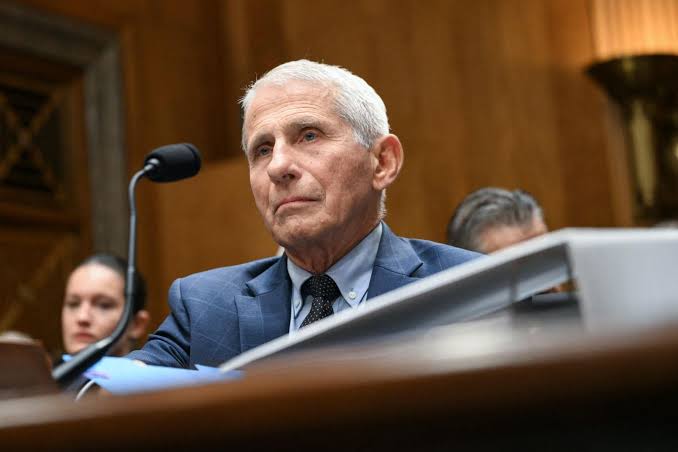
Fauci Takes the Fifth : Republicans Consider a Contempt Charge
Following the hearing, Republican members of the Senate committee indicated they would explore whether Fauci should face contempt proceedings. Senator Rand Paul, one of Fauci’s most vocal critics throughout the pandemic, argued that the repeated refusal to answer questions prevented Congress from carrying out its oversight responsibilities. Paul has repeatedly accused Fauci of misleading lawmakers regarding federal research funding and the origins of COVID-19, allegations Fauci has consistently denied.
Legal experts note that while Congress has the authority to pursue contempt proceedings, invoking the Fifth Amendment is generally recognized as a protected constitutional right. Any effort to impose penalties would likely face significant legal scrutiny, particularly if it is based solely on a witness exercising constitutional protections
Key Issues Raised During the Hearing
Much of the questioning focused on the origins of COVID-19, including continued debate over whether the virus emerged naturally or resulted from a laboratory-related incident. Republicans also questioned Fauci about National Institutes of Health funding for research involving coronaviruses and whether previous testimony accurately described that funding. The hearing also referenced recently released diary entries that lawmakers claimed raised new questions about Fauci’s internal thinking during the pandemic. Fauci disputed many of the accusations and declined to discuss the diary material while invoking his constitutional rights.
Democrats Defend Fauci
Democratic lawmakers strongly criticized the hearing, describing it as politically motivated rather than fact-finding. They argued that Fauci had spent decades in public service and became the target of repeated personal attacks during and after the pandemic. Several Democratic senators maintained that repeatedly threatening criminal prosecution while demanding testimony created precisely the circumstances in which legal advisers would recommend invoking the Fifth Amendment.
Outside Congress, many scientists and public health experts also defended Fauci, saying disagreements over pandemic policy should not be confused with evidence of criminal wrongdoing. Supporters argued that public health decisions were made under unprecedented circumstances and should be evaluated in that context
Public and Political Reaction
The hearing generated immediate reaction across the political spectrum. Supporters of Republican lawmakers argued that Fauci’s refusal to answer questions raised concerns about transparency and accountability. Others pointed out that exercising the Fifth Amendment is a well-established constitutional protection that individuals often use when facing potential legal exposure. Online discussion reflected the same divide, with many emphasizing constitutional rights while others questioned whether Congress should continue its investigation.
The controversy also renewed broader debates about the government’s pandemic response, vaccine policies, lockdowns, and the ongoing investigation into COVID-19’s origins. Years after the height of the pandemic, these issues continue to shape American political discourse
What Happens Next?
Republican lawmakers are expected to continue examining whether contempt proceedings or additional investigative steps are appropriate. However, any attempt to move forward would likely involve complex constitutional and legal questions regarding the Fifth Amendment and congressional oversight authority. Meanwhile, the hearing has ensured that debates surrounding the pandemic, government accountability, and public health leadership remain central issues in U.S. politics.
Conclusion
The Fauci Takes the Fifth hearing marks another significant chapter in the continuing political battle over the COVID-19 pandemic. By invoking the Fifth Amendment more than 100 times, Dr. Anthony Fauci protected his constitutional rights while also fueling renewed criticism from Republican lawmakers seeking greater accountability. As Republicans consider possible contempt proceedings and Democrats defend Fauci’s legal position, the controversy underscores how deeply the pandemic continues to influence American politics. Whether Congress pursues additional legal action or not, the hearing is likely to remain a major point of debate over transparency, constitutional protections, and the government’s response to one of the most consequential public health crises in modern history.
