

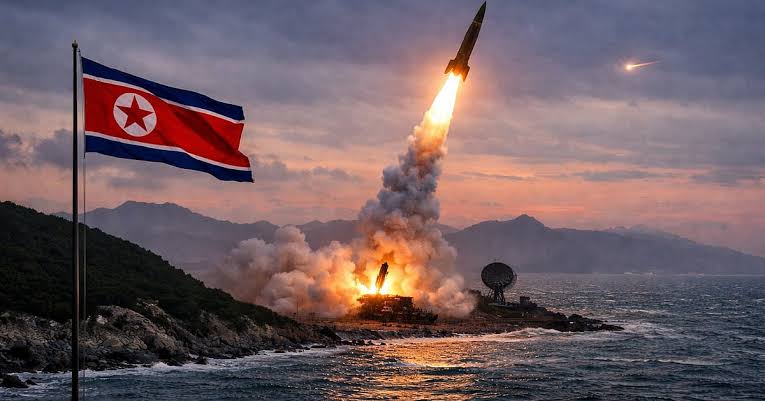

“North Korea fires 10 missiles toward the sea…
North Korea missiles toward the sea on Thursday, August 20, according to South Korean military officials. The launches came shortly after the United States and South Korea agreed to reduce the scale and duration of their joint military exercises.
The latest launches have raised fresh concerns about tensions on the Korean Peninsula. They also came at a sensitive moment, as US President Donald Trump has signaled an interest in restarting talks with North Korean leader Kim Jong Un. Trump has said he expects to meet Kim later this year.
Despite those diplomatic signals, Pyongyang has continued its missile activity. The latest barrage suggests that North Korea remains unwilling to accept changes in military exercises as enough to ease its concerns about the US and South Korean alliance.
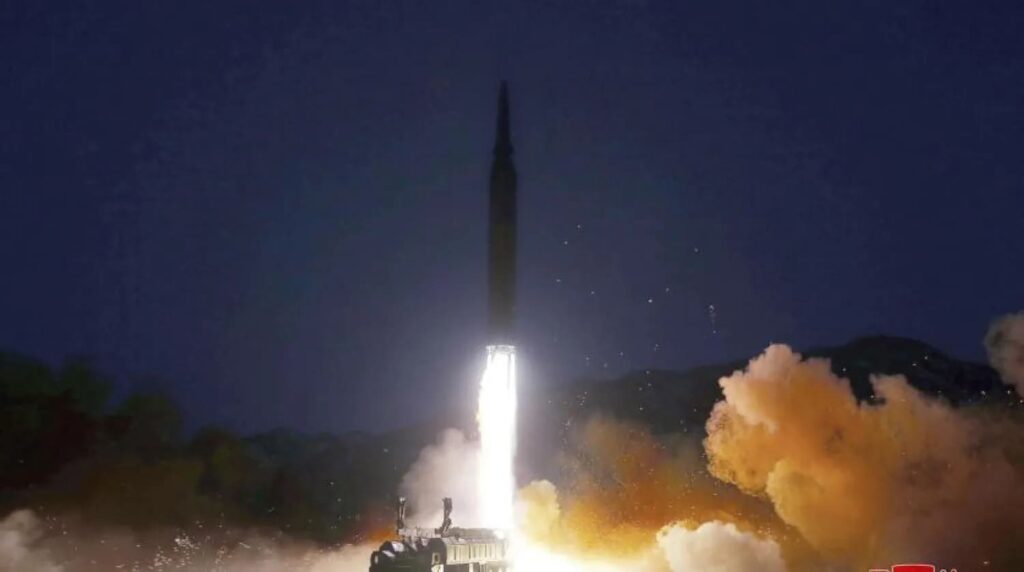
Missiles Fired From the Pyongyang Area
South Korea’s Joint Chiefs of Staff said the missiles were launched from the area around Pyongyang. They traveled roughly 300 kilometers before falling into the sea, according to reports citing South Korean military officials.
There were no immediate reports of casualties or damage from the launches. The missiles were directed toward the sea rather than at a populated area.
South Korean and US forces monitored the launches closely. Officials also increased surveillance and maintained coordination with Japan as they assessed the weapons and their flight paths.
The launches are significant because North Korea frequently uses missile tests to demonstrate its military capabilities. Such tests can also serve as political messages, particularly when they take place during major military or diplomatic developments.
North Korea missiles : Trump Orders Changes to Joint Drills
The missile launches followed a decision by Trump to reduce US participation in military exercises with South Korea. The annual Ulchi Freedom Shield exercises were already underway, but Washington and Seoul agreed to shorten the drills and reduce some field-training activities.
Trump had ordered the Pentagon to substantially reduce the exercises. He argued that the drills were expensive and described them as an inappropriate and hostile signal toward North Korea. He also pointed to his relationship with Kim Jong Un as a reason for changing the approach.
The exercises are designed to improve the ability of US and South Korean forces to respond to a potential attack. They include command exercises and field training designed to strengthen coordination between the two allies.
US officials have said the changes were made while preserving essential military readiness. Some training activities were reduced, canceled or changed to simulations.
Pyongyang Rejects Trump’s Overture
North Korea has not responded positively to the reduction in military exercises. Kim Yo Jong, the sister of North Korean leader Kim Jong Un and a senior political figure, dismissed Trump’s move.
She argued that reducing the size and duration of the exercises did not change what North Korea considers their provocative nature. Her comments suggested that Pyongyang wants much broader changes in US policy before it considers returning to meaningful talks.
That response is important because Trump has indicated that he wants to reopen direct communication with Kim. The two leaders previously held several high-profile meetings, but negotiations over North Korea’s nuclear program eventually stalled.
The latest missile launches show how difficult it may be to restart diplomacy while North Korea continues expanding its military capabilities.
South Korea Watches the Situation Closely
South Korean authorities have remained alert following the launches. Seoul relies heavily on its military alliance with Washington to deter North Korean aggression.
At the same time, South Korean officials have stressed the importance of maintaining strong defense capabilities. The government has continued to prepare its forces for different security scenarios, including possible missile attacks.
The reduction in joint exercises has therefore attracted attention in South Korea. While Washington says the changes will not undermine essential readiness, some officials and analysts worry that smaller exercises could affect the alliance’s ability to practice complex military operations.
South Korea has also been discussing ways to strengthen its own defense capabilities. The country’s security concerns have grown as North Korea continues developing more advanced missiles and nuclear weapons.
Why North Korea Continues Missile Tests
North Korea has several reasons for continuing its missile program. First, the tests allow the country to improve its weapons technology. Each launch can provide information about missile performance, guidance systems and operational capabilities.
Second, missile launches give Pyongyang a way to send political messages. North Korea has frequently conducted tests during periods of heightened tension with Washington and Seoul.
The latest launch also demonstrates that North Korea is willing to continue military activities even while the United States is offering diplomatic signals.
Experts have warned that North Korea has become increasingly focused on expanding its nuclear and missile arsenal. The country has also strengthened military cooperation with Russia, adding another layer to the security situation in East Asia.
US and South Korea Face a Difficult Balance
Washington and Seoul now face the challenge of maintaining military readiness while avoiding actions that could further increase tensions with Pyongyang.
Joint military exercises have long been a source of disagreement. The United States and South Korea describe them as defensive preparations. North Korea, however, regularly describes the drills as rehearsals for an invasion.
Trump’s decision to reduce the exercises appears aimed partly at creating space for diplomacy. However, the missile launches show that reducing military activity does not automatically lead to a reduction in North Korean weapons testing.
This creates a difficult situation for both allies. They must prepare for possible military threats while also deciding whether diplomatic engagement can produce meaningful results.
What Happens Next?
“The decision by North Korea fires 10 missiles shows that tensions remain high…”
The latest North Korea missile launches are likely to increase attention on the future of US-North Korea relations. Trump has expressed interest in meeting Kim again, but Pyongyang has shown little sign that it is ready to give up its nuclear and missile ambitions.
For now, South Korea, the United States and Japan are expected to continue monitoring North Korea’s military activity closely. Any additional missile tests could further complicate efforts to restart negotiations.
The launches also highlight the fragile security environment surrounding the Korean Peninsula. Even as Washington talks about diplomacy, North Korea continues to demonstrate its military strength.
The immediate impact of Thursday’s launches appears limited because the missiles fell into the sea and there were no reported casualties. However, the political message is significant. North Korea is showing that it intends to maintain pressure on the United States and South Korea, even as both sides explore the possibility of renewed dialogue.
