

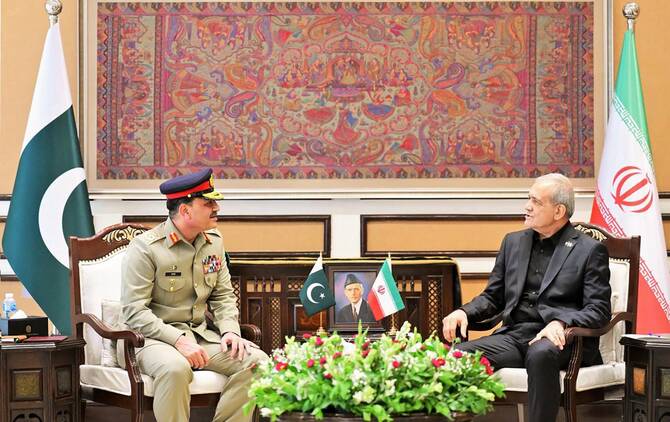

Pakistan Army Chief Tehran Iran has announced that Pakistan’s army chief, Field Marshal Asim Munir, will visit Tehran on Monday as Islamabad continues its diplomatic efforts to promote peace and security in the region. Iranian Foreign Ministry spokesperson Esmaeil Baghaei confirmed the planned visit on Sunday, August 23, saying the trip is part of Pakistan’s ongoing efforts to support regional stability.
The visit comes at a sensitive moment in relations between Iran and the United States, with diplomatic efforts continuing amid heightened tensions. Pakistan has increasingly positioned itself as an intermediary between Tehran and Washington, maintaining communication with both sides as negotiations over the conflict face major challenges.
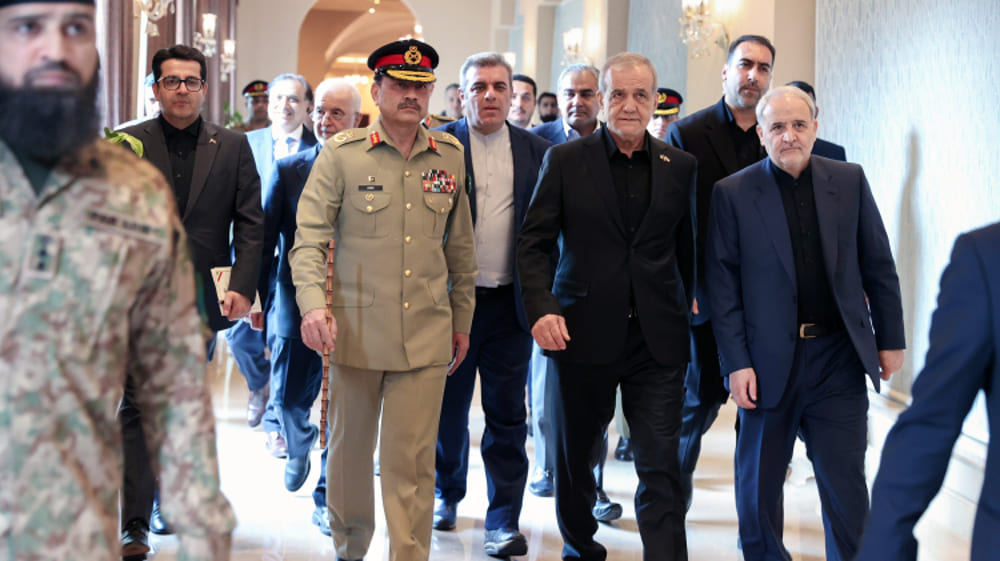
Asim Munir Expected to Hold Talks in Tehran
Pakistan Army Chief Tehran According to Iran’s Foreign Ministry, Asim Munir will travel to Tehran at the head of an official delegation. During his visit, he is expected to meet senior Iranian officials and discuss regional developments, bilateral relations and efforts aimed at improving peace and security.
Iranian officials have described the trip as a continuation of Pakistan’s diplomatic efforts rather than a routine military engagement. The announcement highlights the growing role Islamabad is playing in attempts to reduce tensions between the major regional and international powers involved in the conflict.
Munir’s position gives the visit particular significance. As Pakistan’s army chief, he has been involved in high-level discussions concerning regional security, while Islamabad has maintained contact with both Tehran and Washington during the ongoing crisis.
Pakistan Army Chief Tehran : Pakistan’s Growing Mediation Role
Pakistan has emerged as an important diplomatic channel between Iran and the United States. Islamabad’s geographic position, longstanding relationship with Iran and close ties with Gulf countries and Washington have allowed it to communicate with different sides of the dispute.
The latest visit comes after Pakistan became involved in efforts to facilitate negotiations between Tehran and Washington. Reuters reported that Pakistan has taken on a mediator role in discussions aimed at ending the conflict between Iran and the United States.
For Islamabad, the diplomatic challenge is delicate. Pakistan has strong relations with the United States while also sharing a long border and significant economic and security interests with Iran. Maintaining communication with both countries allows Pakistan to promote dialogue without formally aligning itself with either side.
Pakistan Army Chief Tehran : Regional Peace and Security at the Center
Pakistan Army Chief Tehran Iran has emphasized that regional peace and security will be an important focus of Munir’s visit. The announcement comes as tensions across West Asia remain high, with concerns about military escalation, economic pressure and disruptions to vital trade routes.
The Strait of Hormuz is among the most important issues affecting the broader crisis. The waterway is critical to global energy shipments, meaning prolonged tensions around the region can have consequences far beyond Iran and its immediate neighbors.
Diplomatic engagement is therefore being closely watched by regional governments and international markets. Any progress toward reducing tensions could help create conditions for renewed negotiations, while further deterioration could increase pressure on neighboring countries.
Tehran and Islamabad Maintain Close Contacts
The planned visit also reflects the continued high-level communication between Iran and Pakistan. The two neighboring countries have maintained regular diplomatic contacts on regional security and bilateral relations.
Iranian Foreign Minister Abbas Araghchi and Asim Munir discussed regional developments during a telephone conversation on Saturday, according to Iranian reporting. Their discussion reportedly focused on developments in the region and ways to strengthen peace, stability and security.
The two countries also have economic interests in expanding bilateral trade and cooperation. Security along their shared border remains another important issue, making regular communication between Tehran and Islamabad particularly important.
Why the Tehran Visit Matters
The timing of the visit makes it more than a symbolic diplomatic trip. Pakistan’s involvement comes as efforts to resolve the Iran-U.S. conflict remain uncertain. Any message carried between Tehran and Washington could potentially influence the next stage of negotiations.
The visit may also give Pakistani officials an opportunity to better understand Iran’s position on sanctions, security guarantees, regional military activity and the future of negotiations. At the same time, Tehran can use direct discussions with Islamabad to communicate its concerns and expectations through a neighboring country with established ties to Washington.
However, there is no guarantee that the visit will immediately produce a breakthrough. The disagreements between Iran and the United States remain substantial, and the success of any mediation effort will depend on whether both sides are prepared to make compromises.
A Critical Moment for Diplomacy
Asim Munir’s planned visit to Tehran comes at a critical moment for regional diplomacy. Iran’s confirmation that the Pakistani army chief will arrive on Monday demonstrates the importance Tehran places on continued communication with Islamabad.
For Pakistan, the visit represents another opportunity to use diplomacy to reduce tensions in its wider neighborhood. For Iran, discussions with a trusted regional neighbor could provide an additional channel for communicating its position as pressure from Washington continues.
Whether the talks lead to concrete progress will depend on developments between Iran and the United States in the days ahead. Still, the visit underscores Pakistan’s growing role in regional diplomacy and the importance of direct communication at a time when tensions remain high.
