






Rising Gulf Conflict Pushes Middle East Toward Critical Flashpoint
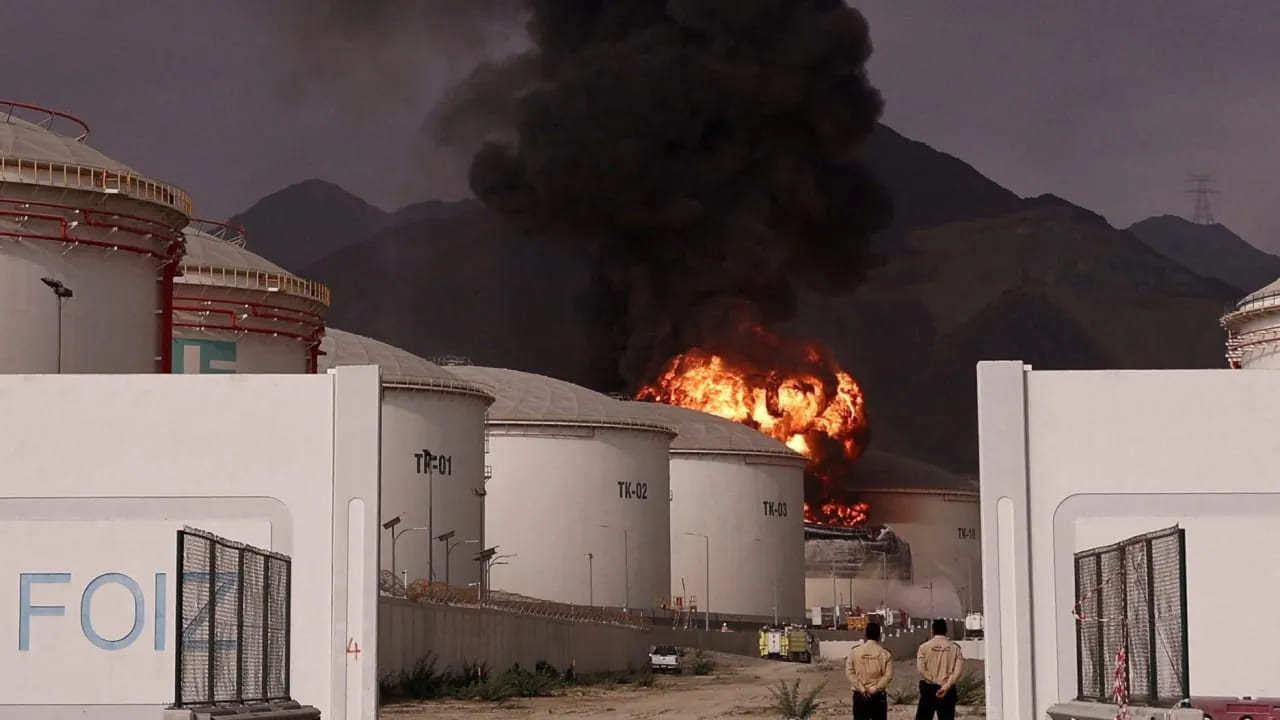
The United Arab Emirates was thrust into the center of rising Middle East tensions after a drone strike caused a fire near the Barakah nuclear power plant, triggering global concern over the security of critical infrastructure in the Gulf region.
The dramatic incident, which officials suggested may have followed a failed interception attempt, has intensified fears that regional conflicts are entering a far more dangerous phase.
Authorities in Abu Dhabi confirmed that an unidentified drone struck an area connected to the Barakah nuclear facility in the Al Dhafra region, west of the UAE capital. Emergency response teams rushed to the scene after flames erupted in an external operational section near the plant.
Thick smoke was seen rising into the sky while military helicopters and security forces rapidly surrounded the area.
Although UAE officials stressed that the nuclear reactors themselves remained untouched and radiation levels were completely normal, the incident has alarmed governments and security experts around the world. The Barakah facility is considered one of the most strategically important.

Officials Suggest Interception Failed
While the UAE government avoided directly confirming that air-defense systems failed, statements released after the incident strongly implied that authorities had attempted to intercept the incoming drone before impact. Analysts reviewing official language noted that Abu Dhabi appeared to acknowledge that defensive measures were activated but failed to stop the aircraft from reaching the vicinity of the plant.
The possibility that a hostile drone was able to bypass advanced defense systems has raised serious questions about regional security preparedness. Gulf countries have spent billions of dollars developing sophisticated missile and drone defense capabilities, yet the latest incident demonstrates the growing challenge posed by modern unmanned aerial technology.
Military experts say drones have changed the nature of warfare across the Middle East. Unlike traditional fighter jets or ballistic missiles, drones can travel at lower altitudes, avoid radar detection, and strike targets with precision. Their relatively low cost also makes them attractive tools for proxy militias and non-state actors seeking to pressure governments without launching full-scale wars.
Panic and Emergency Response
Witnesses living near the region described hearing loud explosions followed by emergency sirens and increased military activity. Videos circulating online appeared to show smoke rising from the outskirts of the facility while helicopters flew overhead conducting surveillance operations.
Security forces reportedly sealed roads leading toward the plant as firefighters battled the blaze. Residents were urged to remain calm and avoid spreading rumors online while investigations continued.
The UAE’s nuclear regulatory authority later issued a statement assuring the public that reactor operations remained stable and secure. Officials emphasized that the fire occurred outside the protected reactor containment structures and posed no immediate danger to surrounding communities.
Despite those reassurances, the psychological impact of the attack has been enormous. Nuclear facilities are among the most sensitive locations in the world, and even incidents that cause no direct damage can create widespread fear and international anxiety.
Regional Conflict Fuels Speculation
No organization immediately claimed responsibility for the drone strike, but speculation quickly turned toward the broader regional conflict involving Iran, Israel, and allied groups operating across the Middle East. Tensions throughout the region have escalated sharply in recent weeks, with missile attacks, cyber warfare, and military operations spreading across multiple fronts.
Iran-backed armed groups have previously targeted energy infrastructure in Gulf nations using drones and missiles. Attacks on Saudi oil facilities in recent years demonstrated how vulnerable critical infrastructure can be despite extensive defense systems.
The UAE has increasingly become involved in regional geopolitical tensions due to its close security partnerships with Western countries and growing cooperation with Israel. Analysts believe the strike near Barakah may have been intended as both a warning and a demonstration of military reach.
Some regional observers warned that attacks on symbolic infrastructure targets could become more common as conflicts intensify. Energy facilities, airports, shipping routes, and power stations are now viewed as high-value targets capable of creating economic disruption and psychological pressure.
Importance of the Barakah Nuclear Plant
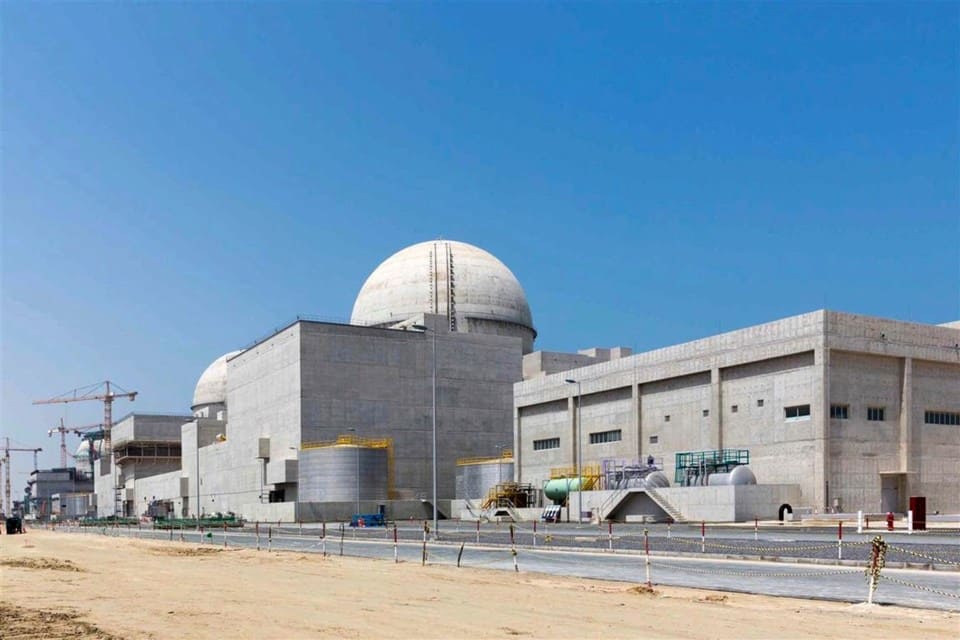
The Barakah nuclear power plant represents a major milestone in the UAE’s long-term economic and energy strategy. Developed with advanced South Korean technology, the facility was designed to reduce dependence on oil exports and provide cleaner electricity for the rapidly growing nation.
The massive plant supplies a significant percentage of the country’s power needs and has become a symbol of the UAE’s modernization ambitions. Because of its strategic importance, security around the facility has always been exceptionally strict.
The latest drone strike has therefore raised difficult questions about whether even the region’s most heavily protected sites can remain fully secure in an era dominated by advanced drone warfare.
International nuclear experts have repeatedly warned that military activity near nuclear facilities creates enormous risks, even if reactors themselves are not directly targeted. Fires, explosions, or disruptions near nuclear infrastructure can trigger panic, diplomatic crises, and concerns over environmental safety.
Global Reactions and Diplomatic Pressure
Governments across the world reacted swiftly to news of the incident. Several nations urged restraint and called for immediate efforts to prevent further escalation in the Gulf region. Diplomatic discussions reportedly intensified between Gulf States, Western allies, and international security organizations as concerns grew about a wider conflict.
Global energy markets also reacted nervously. Investors fear that continued instability in the Gulf could threaten oil exports and disrupt shipping lanes near the Strait of Hormuz, one of the world’s most critical maritime routes for energy supplies.
Even limited military incidents in the Gulf often have global consequences due to the region’s importance to international oil markets. Analysts warned that repeated attacks on infrastructure could increase economic uncertainty and place additional pressure on global energy prices.
Drone Warfare Changing the Middle East
Security analysts say the Barakah incident highlights how drone warfare is reshaping military strategy across the region. Small unmanned aircraft are increasingly being used not only for surveillance but also for direct attacks on critical infrastructure.
Modern drones can travel long distances, evade traditional defense systems, and strike with surprising accuracy. Some are capable of operating autonomously or flying in coordinated swarms, making them extremely difficult to stop.
Experts believe Gulf nations will likely respond by increasing investments in radar systems, electronic warfare technologies, and anti-drone defenses. However, many warn that defense systems are struggling to keep pace with the rapid evolution of drone technology.
The latest strike may also push governments to strengthen regional military coordination and intelligence sharing. As tensions continue rising, countries across the Middle East are becoming increasingly concerned about protecting infrastructure that supports their economies and national security.
Region Faces Growing Uncertainty
For ordinary citizens across the Gulf, the attack has deepened fears about the future stability of the region. Social media quickly filled with videos, speculation, and concern about possible retaliatory strikes or additional attacks.
Many residents expressed anxiety that the Middle East may be moving toward a far more dangerous and unpredictable period. With conflicts already active in Lebanon, Gaza, Syria, Iraq, and Yemen, the risk of a broader regional confrontation appears to be growing.
As investigations continue into the origin of the drone and the exact circumstances surrounding the strike, the incident near Barakah has become a powerful symbol of the fragile security situation facing the Middle East.
For now, UAE authorities insist the nuclear facility remains fully operational and safe. Yet the sight of smoke rising near one of the Gulf’s most sensitive installations has already sent a chilling message across the region: in the modern era of drone warfare, even the most protected sites may no longer be beyond reach.


