






Alien Registration Number: Everything You Need to Know About This Important Immigration Identifier
The immigration process in the United States involves many official documents, legal procedures, and identification systems. Among the most important identifiers used by immigration authorities is the alien registration number, often called the A-Number. Although many immigrants encounter this number while applying for visas, green cards, or citizenship, a large number of people still do not fully understand its purpose or importance.
The alien registration number serves as a key part of the U.S. immigration system because it helps government agencies maintain organized records and track immigration history accurately. Understanding how this number works can help immigrants avoid paperwork mistakes, reduce delays, and better manage their legal status in the country
What Is an Alien Registration Number?
An alien registration number is a unique identification number assigned to non-citizens by U.S. immigration authorities. This number is mainly issued by the U.S. Citizenship and Immigration Services (USCIS) and is used to identify immigrants throughout their interactions with the American immigration system. The number usually starts with the letter “A” followed by seven to nine digits. For example, it may appear in a format such as A123456789.
The alien registration number remains connected to an individual permanently. Unlike temporary case numbers that change depending on applications or immigration requests, the A-Number stays the same throughout a person’s immigration journey. Whether someone applies for permanent residency, work authorization, asylum, or citizenship, immigration officials use this number to access and review records quickly.


Why the Alien Registration Number Is Important
The alien registration number is an essential part of maintaining accurate immigration records in the United States. With millions of people dealing with immigration authorities each year, officials need an efficient system to monitor applications, legal status, and personal records. The A-Number serves as a unique identification code that connects all immigration-related information to a single individual, helping authorities manage records more effectively.
This number is important because it helps prevent confusion between individuals who may have similar names or personal information. Immigration officers use the number to review visa history, immigration status, court records, employment authorization details, and previous applications. Without the correct alien registration number, applications may face delays or processing problems because officials may struggle to locate accurate records.
Employers, schools, and legal representatives may also require the alien registration number when verifying immigration status. In many situations, the number serves as proof that an immigrant has official records within the U.S. immigration system.
Who Receives an Alien Registration Number?
Not every foreign visitor entering the United States automatically receives an alien registration number. The number is generally assigned to people involved in long-term immigration processes or those seeking permanent legal status. Green card holders, asylum seekers, refugees, and immigrants applying for work permits commonly receive A-Numbers.
Individuals applying for adjustment of status or citizenship also usually have an alien registration number connected to their records. However, tourists visiting the country temporarily on vacation or short-term business trips often do not receive one unless they later enter a more permanent immigration process.
The assignment of an A-Number depends on the type of immigration case and the level of involvement with immigration authorities. Once assigned, the number becomes part of an immigrant’s official identity in the U.S. system.
Where Can You Find the Alien Registration Number?
Many immigrants are unsure where to locate their alien registration number, especially when completing forms online or preparing legal documents. Fortunately, the number is printed on several important immigration documents issued by USCIS or other immigration agencies.
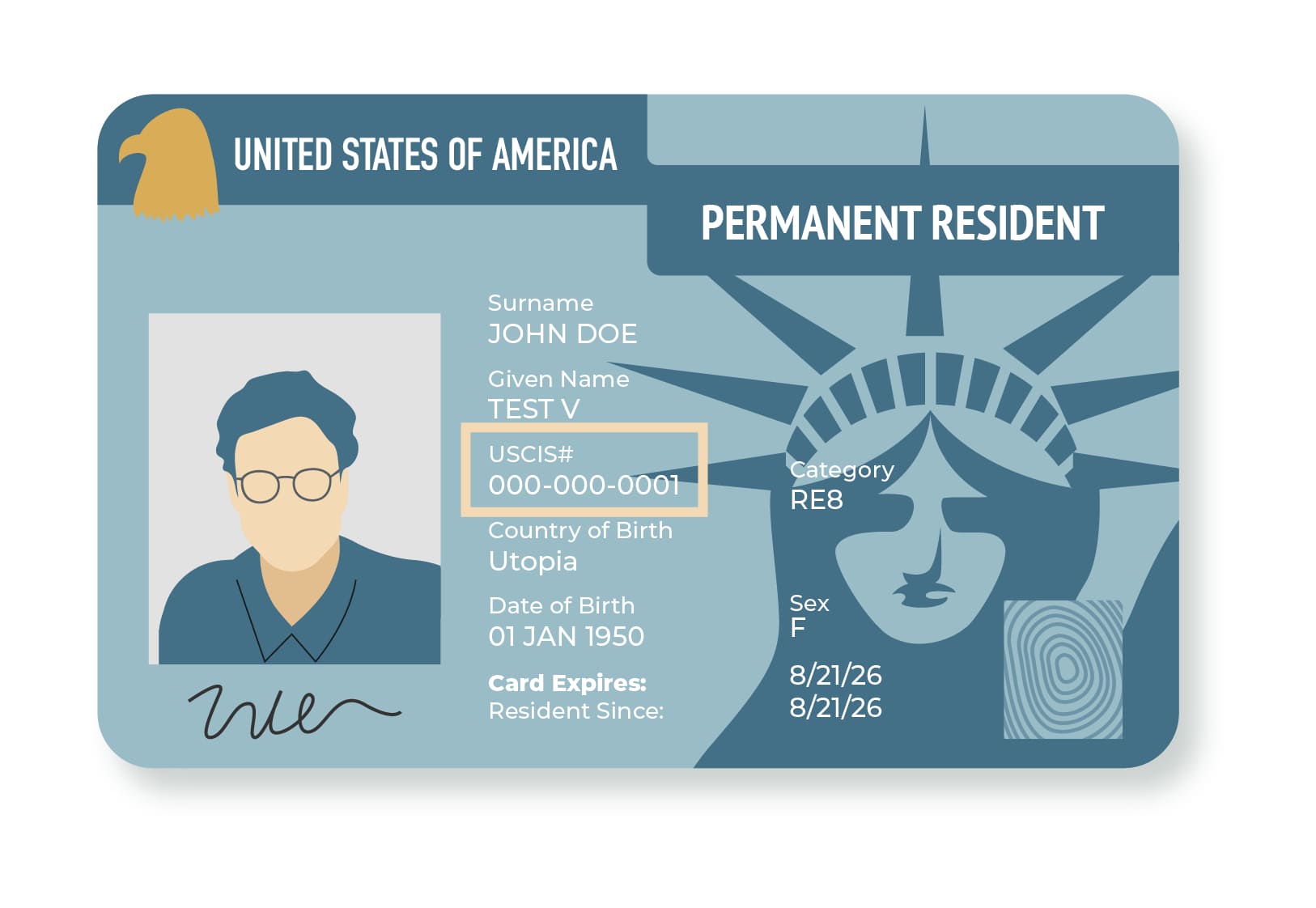
Permanent residents can usually locate their alien registration number on their green card, where it may be listed as “A#” or “USCIS#.” The number is also printed on employment authorization documents and various immigration records. Individuals involved in immigration court cases may find their A-Number on official notices or court paperwork issued by immigration authorities.
Additionally, several visa-related documents and USCIS correspondence contain the alien registration number, making it an important reference for immigration procedures and legal documentation.. Because immigration paperwork can become complicated over time, it is important for individuals to keep copies of all official documents in a secure place. Losing access to these papers may create difficulties when trying to retrieve the number later.
How the Alien Registration Number Is Used
The alien registration number is required on many immigration forms and applications. USCIS uses the number to connect new applications with an applicant’s previous immigration history. This system helps speed up background checks and improves record accuracy.
For example, when someone applies for a green card renewal or citizenship, immigration officers review the person’s full immigration history through the A-Number. The same number may also be used during sponsorship applications, work permit renewals, or legal proceedings. The alien registration number also supports national security and immigration monitoring efforts. Authorities use the identifier to maintain updated records about immigration status, travel history, and legal decisions connected to individuals living in the country
Common Mistakes People Make With Their A-Number
One of the most common mistakes immigrants make is confusing the alien registration number with other identification numbers. Visa numbers, case receipt numbers, and Social Security numbers are all separate from the A-Number. Entering the wrong number on official forms can delay processing or create administrative problems.
Another frequent issue involves missing digits. Older alien registration numbers may contain fewer digits than newer ones, causing confusion during online applications. Applicants should carefully review documents before submitting forms to ensure the number is entered correctly.
Some people also fail to update their immigration records properly after receiving new documents. Although the A-Number usually remains unchanged, supporting paperwork may contain updated information that should be reviewed carefully.
Protecting Your Alien Registration Number
Because the alien registration number is connected to personal immigration records, protecting it is extremely important. Sharing the number carelessly may increase the risk of identity theft or immigration fraud. Scammers sometimes contact immigrants pretending to be government officials and request sensitive personal information.
Immigrants should only provide their alien registration number to trusted legal professionals, official government agencies, or authorized organizations. Keeping physical and digital copies of immigration documents secure can help reduce risks and prevent unauthorized access.
Conclusion
The alien registration number is far more than a simple identification code. It serves as a permanent link between immigrants and the U.S. immigration system, helping authorities maintain accurate records and process applications efficiently. From green card holders to asylum applicants, millions of people rely on this number during important legal and immigration procedures.
Understanding the purpose of the alien registration number can make the immigration process less confusing and more manageable. By keeping documents organized, using the correct number on forms, and protecting personal information carefully, immigrants can avoid unnecessary delays and complications. In today’s immigration system, the alien registration number remains one of the most essential tools for identification, verification, and legal recordkeeping in the United States.


