


Iran-US War Latest: Tehran Rejects Trump’s Peace Talks Claim
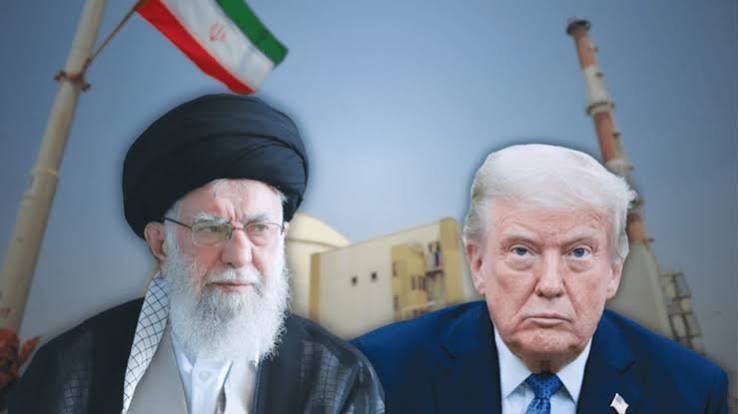
The Iran-US war latest developments have created fresh confusion after President Donald Trump claimed that new peace talks with Iran were on the way. Tehran, however, quickly pushed back against the statement and said no direct talks with Washington had been arranged.
The conflicting claims have raised new questions about whether the two countries are actually moving toward diplomacy or simply using public statements to increase pressure on each other. With tensions still high, the disagreement has also added to uncertainty over what could happen next.
Trump Says Diplomacy Could Replace Military Action
Trump recently suggested that the United States was giving diplomacy another chance. His comments came after a period of growing tensions between Washington and Tehran, during which military action appeared increasingly possible.
The US president presented the decision as an opportunity to find a peaceful solution. He indicated that discussions with Iran could take place soon and suggested that negotiations might prevent another major escalation.
For a moment, the comments appeared to offer a possible opening. After weeks of threats and confrontation, the idea of new negotiations raised hopes that the situation could move away from military action.
However, Iran did not confirm Trump’s account.
Iran Denies Direct Talks Are Planned
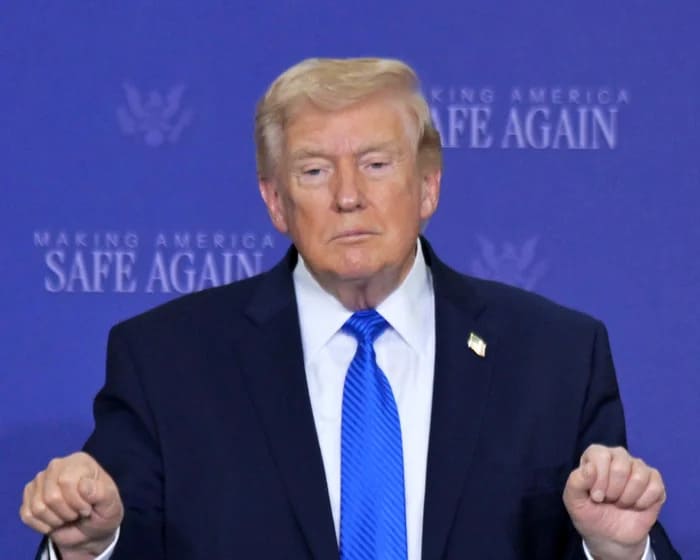
Iranian officials rejected the suggestion that direct negotiations with the United States had been scheduled. Tehran made clear that it was not preparing for the type of meeting Trump had described.
The response quickly changed the diplomatic picture.
Instead of confirming Trump’s announcement, Iran emphasized that some discussions were taking place through Oman. Those contacts are linked in particular to the situation surrounding the Strait of Hormuz.
That distinction matters. Communication through a mediator does not necessarily mean that Iran and the United States have agreed to sit down for direct peace talks.
The disagreement also highlights the deep mistrust between the two governments. Washington may view indirect contacts as a step toward negotiations, while Tehran may consider them only a way to exchange messages without opening formal talks.
Iran-US war latest : Why the Strait of Hormuz Matters
The Strait of Hormuz remains one of the most important issues in the confrontation.
The narrow waterway connects the Persian Gulf with the Gulf of Oman. It is also a major route for global energy shipments. Any serious disruption could affect oil supplies, shipping costs and economies far outside the Middle East.
This is why developments around the strait are being closely watched.
Iran has been involved in discussions with Oman about the situation, but those discussions should not automatically be described as direct negotiations with Washington.
The United States wants the waterway to remain open to international shipping. Iran, meanwhile, has its own security demands and continues to use the strait as an important source of strategic leverage.
As a result, the issue could become one of the biggest obstacles to a wider agreement.
Trump Faces an Awkward Diplomatic Moment
Tehran’s rejection creates an uncomfortable situation for Trump.
The president publicly suggested that negotiations were approaching. Iran then said that no such direct talks had been arranged.
That does not necessarily mean there has been no communication between the two sides. Governments often use intermediaries to deliver messages without officially entering negotiations.
Oman, in particular, has played an important role in communicating between countries in the region.
Therefore, it is possible that messages are being exchanged privately even though Iran is not ready to describe those contacts as formal peace negotiations.
Still, the public disagreement is significant. Successful diplomacy usually depends on both sides agreeing on basic facts, including whether negotiations are actually taking place.
Iran-US war latest : Could Indirect Communication Lead to Peace?
The latest developments do not necessarily mean that diplomacy has failed.
Indirect communication can sometimes be the first step toward formal negotiations. Governments may initially use trusted intermediaries to test proposals, discuss possible conditions and determine whether a direct meeting is worthwhile.
That could be happening between Washington and Tehran.
However, several major disagreements remain. The two governments have different positions on security, military pressure, regional influence and the Strait of Hormuz.
There is also a serious trust problem.
Years of tension have made it difficult for either side to accept the other’s promises at face value. Even if officials agree to talk, reaching a lasting settlement would likely require difficult compromises.
Global Markets Are Watching Closely
The confrontation is also important beyond the political and military sphere.
Oil markets are particularly sensitive to developments involving Iran and the Strait of Hormuz. Any threat to shipping through the area can increase concerns about global energy supplies.
On the other hand, signs of serious negotiations can reduce fears of a wider conflict.
That means every statement from Washington and Tehran can have consequences beyond diplomacy. A claim about peace talks can influence expectations in financial markets, while a threat of military action can produce the opposite reaction.
The uncertainty makes the current situation even more difficult to predict.
What Could Happen Next?
The next stage will depend largely on whether Washington and Tehran can establish a clear channel for diplomacy.
If indirect contacts continue, they could eventually create the conditions for formal negotiations. But that would require both sides to agree on the purpose of the talks and the issues that should be discussed.
For Trump, the challenge is to maintain pressure without closing the door to diplomacy.
For Iran, the challenge is to protect its strategic interests while avoiding a wider conflict that could bring additional economic and military consequences.
Neither side appears ready to give up its position easily.
Iran-US War Latest: Peace Talks Remain Uncertain
The latest Iran-US war latest developments show that diplomacy remains possible, but no clear breakthrough has been confirmed.
Trump’s claim that new peace talks were approaching was quickly challenged by Tehran. Iran’s response suggests that direct negotiations are not currently agreed upon, even though communication through Oman and other channels may continue.
The disagreement is another reminder of how fragile the situation has become.
For now, the possibility of diplomacy remains open, but the path toward an agreement is far from certain. The coming days could reveal whether the latest contacts develop into genuine negotiations or become another failed attempt to reduce tensions between Washington and Tehran.
