

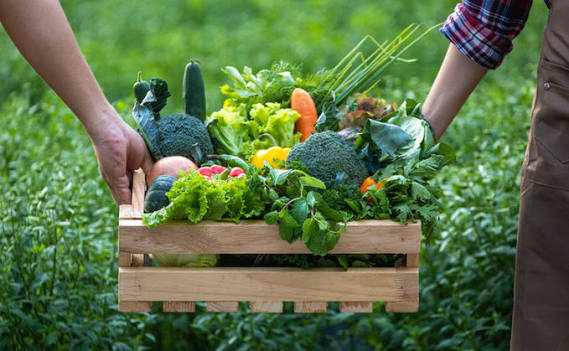

UK farmers are increasingly adapting to climate change as warmer temperatures and changing weather patterns affect what they can grow.
For UK farmers climate change is becoming an important factor when deciding which crops to plant. Traditional crops will remain important, but farmers may increasingly look at varieties that can cope with warmer conditions and changing weather patterns. Some could even explore fruits and vegetables more commonly associated with southern Europe.
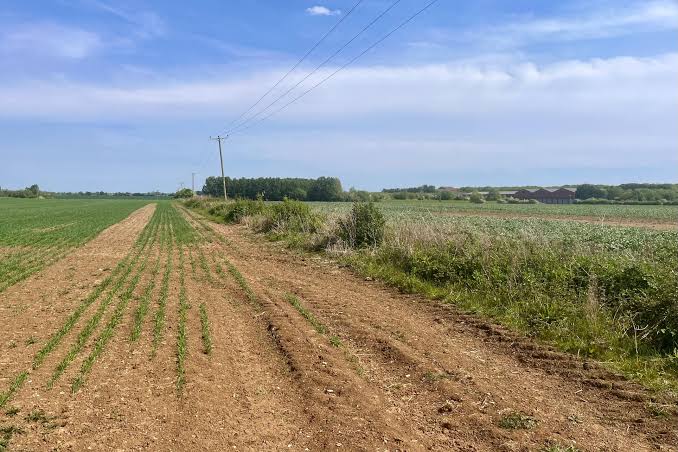
How Climate Change Is Changing UK Farming
The UK has traditionally had a relatively cool and temperate climate, which has supported crops such as potatoes, carrots, onions, peas, cabbage and various berries. However, average temperatures are rising, while rainfall is becoming less predictable in many areas.
Warmer weather can create opportunities for farmers, particularly in southern England and other regions with suitable soil and growing conditions. Longer periods without frost may extend the growing season, allowing certain crops to be planted earlier or harvested later.
However, warmer temperatures are not automatically beneficial. Drought, heatwaves, flooding, new pests and plant diseases can damage crops and reduce yields. This means farmers need to carefully consider both the opportunities and risks associated with changing conditions.
Grapes Could Become More Common
One fruit that has already attracted considerable attention in the UK is the grape. Warmer summers and longer growing seasons can create better conditions for grape production, particularly in parts of southern England.
The UK’s wine industry has expanded significantly in recent decades, demonstrating that certain areas can support commercial vineyards. While grapes require careful management and suitable soil, continued warming could encourage some farmers to consider vineyards as an alternative agricultural business.
Different grape varieties may also become suitable as temperatures change. Farmers interested in this crop would still need to consider frost risk, rainfall, soil quality and the costs associated with establishing vineyards.
UK farmers climate change : Peaches and Nectarines
Peaches and nectarines are traditionally associated with warmer climates, but changing temperatures could make them increasingly interesting to British growers. These fruits require plenty of sunshine and protection from severe cold, making location particularly important.
Farmers may experiment with varieties that mature earlier or are better adapted to cooler conditions. Growing fruit against sheltered walls, in polytunnels or in other protected environments could also help improve results.
Although large-scale production may remain challenging in many parts of the UK, warmer conditions could gradually increase the areas where these fruits can be grown successfully.
UK farmers climate change : Apricots May Find New Opportunities
Apricots are another fruit that could benefit from warmer growing conditions. They need warmth and sunlight to develop properly, but they can be vulnerable to frost during flowering.
For UK farmers, this creates both an opportunity and a challenge. A warmer overall climate could improve fruit development, but unpredictable spring weather could still damage early blossoms.
Farmers may therefore need to choose carefully sheltered locations and varieties that flower later. Modern growing techniques could also help reduce the risks associated with sudden cold weather.
Sweetcorn Could Become More Attractive
Sweetcorn is already grown in the UK, but warmer summers could make the crop more appealing in additional regions. It generally benefits from warm temperatures and sufficient sunlight during its growing period.
As the growing season becomes longer, farmers could have greater flexibility when planting and harvesting sweetcorn. However, adequate water remains essential, especially during dry summers.
Efficient irrigation and careful soil management could therefore become increasingly important for growers looking to expand sweetcorn production.
Courgettes and Other Warm-Season Vegetables
Courgettes, squash and other warm-season vegetables could also benefit from longer periods of warmth. These crops can grow quickly when temperatures and moisture levels are suitable.
Climate change could provide farmers with a longer window for cultivation, potentially allowing multiple plantings in favourable conditions. However, excessive heat and drought can cause problems, meaning farmers will need to balance warmer temperatures with water availability.
Protected growing systems could provide another option, helping farmers manage temperature and moisture more effectively.
Chillies and Peppers Could Expand
Chillies and peppers generally prefer warm growing conditions. In the past, British farmers and gardeners have often relied on greenhouses or polytunnels to provide the heat these crops need.
If UK temperatures continue to rise, outdoor cultivation could become more practical in some areas. Farmers may also benefit from improved crop varieties designed to perform under British conditions.
The growing popularity of diverse foods could create additional demand for locally produced chillies and peppers, giving farmers another potential market to explore.
Exotic Fruits Could Be Tested
Some farmers may eventually experiment with crops that are currently considered unusual for the UK. Certain varieties of figs, melons and other warm-climate fruits could become more feasible in sheltered areas.
However, the arrival of warmer weather does not mean that every exotic crop will become commercially viable. Soil type, water availability, sunlight, pests, disease pressure and market demand will all influence whether a crop makes financial sense.
Farmers are therefore likely to test new crops gradually rather than completely replacing traditional British produce.
The Importance of Water and Soil Management
While climate change may open the door to new crops, water management will be one of the biggest challenges facing British agriculture. Warmer temperatures can increase evaporation and raise the amount of water crops require.
Farmers may need to invest in efficient irrigation systems, rainwater storage and methods that improve soil’s ability to retain moisture. Healthy soils can play an important role in protecting crops during periods of both drought and heavy rainfall.
Crop rotation, organic matter and careful land management can also help improve long-term soil health.
A Changing Future for UK Agriculture
The future of British farming is unlikely to be about abandoning traditional crops completely. Instead, farmers may gradually diversify their production as weather conditions and consumer demand change.
UK farmers climate change decisions will increasingly involve assessing which crops can survive changing temperatures, cope with unpredictable weather and provide reliable financial returns. Fruits such as grapes, peaches and apricots, alongside vegetables such as sweetcorn, peppers, chillies and courgettes, could receive greater attention in suitable regions.
Climate change presents serious risks for agriculture, but it may also create opportunities for innovation. With careful planning, improved technology and better water and soil management, British farmers could adapt their crop choices to a changing climate while continuing to supply fresh and locally grown food.
