

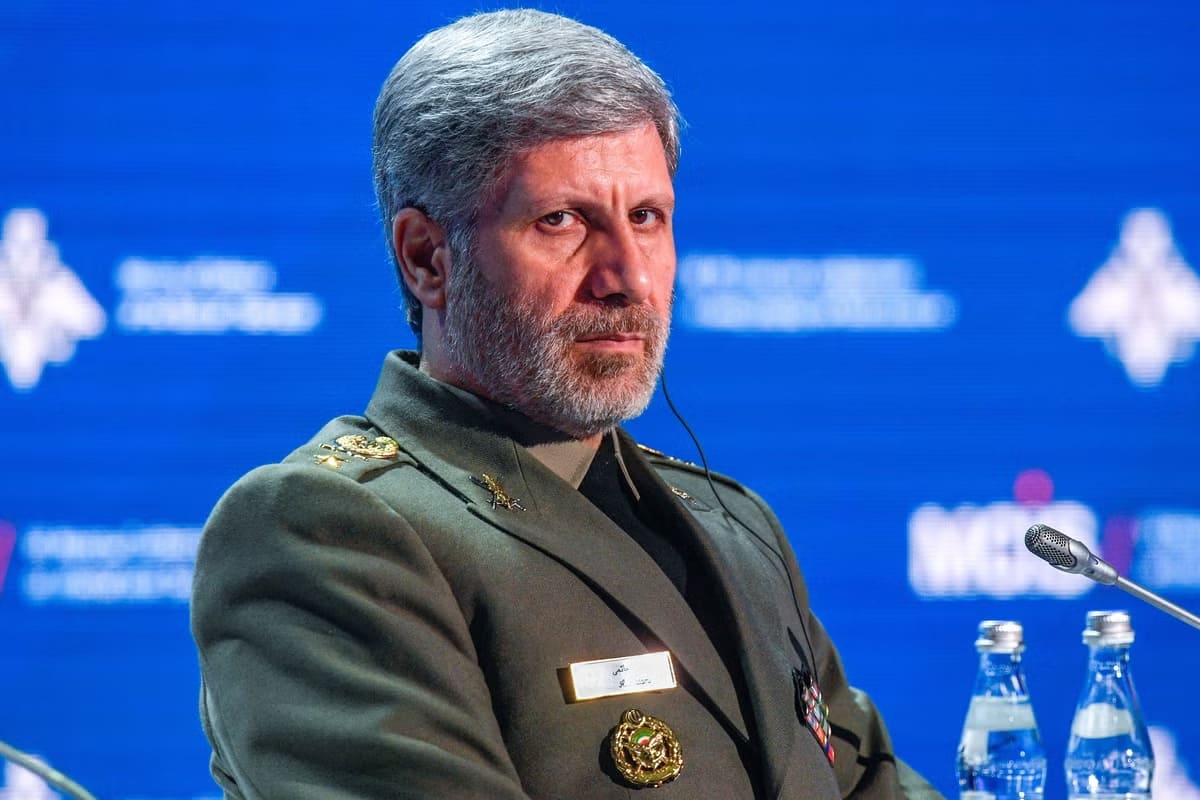

The Iran Trump tensions developments show a sharp escalation in rhetoric between Tehran and Washington. Iran’s army chief, Major General Amir Hatami, has issued a direct threat against President Donald Trump while announcing a $30,000 reward for anyone who kills or captures a US military personnel member. The announcement comes as tensions remain high over the Strait of Hormuz and stalled efforts to reach a broader settlement.
According to reports citing Iran’s state news agency IRNA, Hatami said that anyone who kills or captures an American military personnel member and hands them over would receive a reward worth $30,000, or about 5 billion Iranian tomans. He also said that Iranian women who carry out such an action would receive twice the amount.
The announcement marks another dramatic development in an already dangerous confrontation. It also highlights how far the language between the two sides has escalated, with senior officials openly threatening one another while negotiations remain uncertain.
Iran Army Chief Issues Direct Threat to Trump
Hatami’s comments went beyond the announcement of the bounty. The Iranian army chief also reportedly threatened to “break” Trump’s legs in response to the US president’s comments about the Strait of Hormuz. The threat followed Trump’s claim that the strategically important waterway could become US territory after the conflict.
The Strait of Hormuz is one of the world’s most important energy routes. A large share of global oil shipments passes through the narrow waterway, making any prolonged disruption a major concern for international markets.
Iran has insisted that the United States should withdraw its military forces from the region. Tehran has also linked its demands over the waterway to future negotiations. The latest statements suggest that neither side has fully backed away from its position, despite continuing diplomatic efforts.
$30,000 Bounty Targets US Military Personnel
The bounty announced by Tehran has become one of the most striking elements of the latest confrontation. Hatami said the reward would be offered to anyone who kills or captures an American military personnel member and turns them over to Iran.
The reward is reportedly doubled when the action is carried out by an Iranian woman. Iranian authorities presented the offer as a response to what Hatami described as a large number of requests from people wanting to participate in actions against US forces.
The announcement does not mean that every US service member in the region is immediately facing an attempt to claim the reward. However, it adds another layer of risk to an already tense security environment.
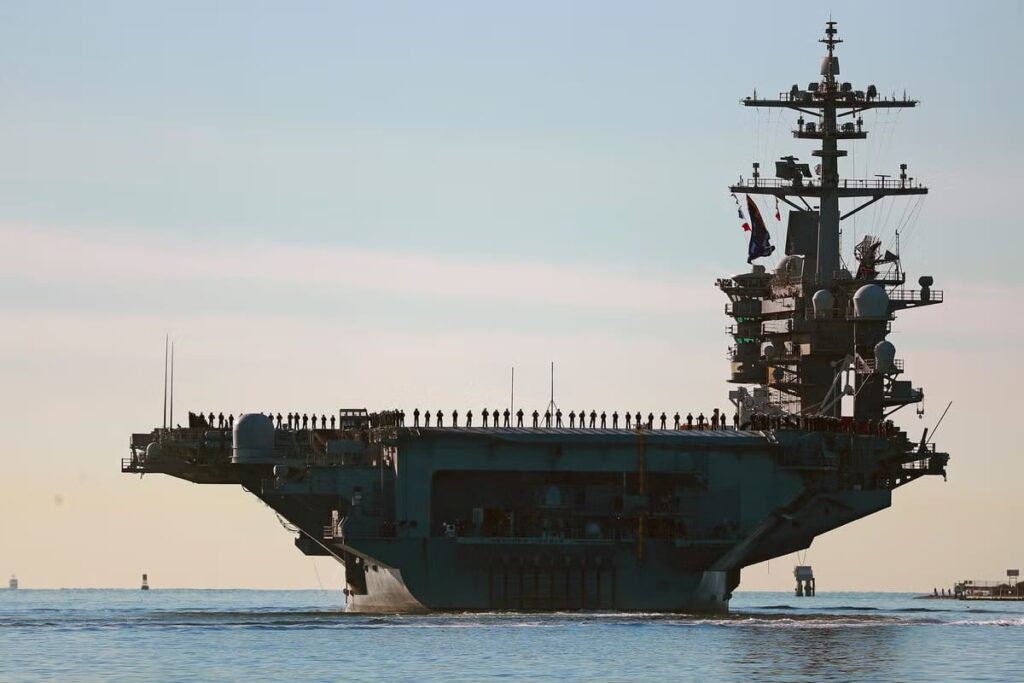
The United States has thousands of military personnel stationed across the Middle East. Reports have put the number at more than 50,000, although their locations and missions vary widely.
Iran Trump tensions Strait of Hormuz Becomes a Major Flashpoint
The latest threats are closely connected to the continuing dispute over the Strait of Hormuz.
The waterway connects the Persian Gulf with the Gulf of Oman and the Arabian Sea. Because of its importance to global energy supplies, any conflict around the strait can quickly affect oil prices, shipping costs and international trade.
Iran has demanded that US forces leave the region and has opposed American control over the waterway. Trump, meanwhile, has made increasingly forceful statements about US interests in the strait.
These competing positions have made the waterway one of the most sensitive points in the wider Iran-US confrontation.
Iran Trump tensions Peace Talks Remain Uncertain
The escalation comes as efforts to reach a diplomatic solution have struggled to produce a breakthrough.
Iran has maintained several demands, including changes to the US military presence in the region and arrangements concerning shipping through the Strait of Hormuz. Washington, meanwhile, has continued to apply pressure on Tehran while demanding concessions.
The latest threats could make diplomacy even more difficult. When senior officials publicly threaten each other, political pressure increases on both governments to avoid appearing weak.
However, strong public rhetoric does not necessarily mean that negotiations have completely ended. Governments often use aggressive language while continuing private diplomatic contacts.
Iran Trump tensions US Troops Remain at Risk Across the Region
The bounty announcement is particularly significant because American forces remain deployed in several Middle Eastern countries.
US military personnel face different risks depending on their location. These include missile and drone attacks, attacks by Iran-aligned armed groups and other security threats.
Reports cited by The Times said that 18 American soldiers had died since the conflict began, including three who were killed in a missile and drone attack on Muwaffaq Salti Air Base in Jordan.
The presence of Iranian-aligned groups in countries such as Iraq has also created additional concerns for American commanders. Even if direct fighting between Iran and the United States decreases, attacks by allied or affiliated groups could keep tensions high.
Tehran Has Also Targeted Trump Politically
The latest bounty is not the first time Iranian officials have threatened Trump.
Iran’s parliament previously proposed a much larger reward for the killing of Trump following the death of Supreme Leader Ayatollah Ali Khamenei, according to reports. Iranian lawmakers have accused Trump and other senior officials of responsibility for Khamenei’s death.
Those threats have added a personal dimension to the conflict. Instead of limiting their disagreements to government policy, officials on both sides have increasingly focused their criticism on individual leaders.
That makes the situation more unpredictable and raises concerns about possible retaliation.
What the Latest Escalation Means
The Iran Trump tensions developments demonstrate how quickly the conflict can move from military confrontation to personal threats and economic pressure.
The $30,000 bounty is unlikely to resolve any of the major disagreements between Tehran and Washington. Instead, it signals Iran’s determination to maintain pressure on the United States and demand the withdrawal of American forces from the region.
For Washington, the announcement could increase concerns about force protection and the security of American personnel abroad. It could also strengthen arguments within the US government for maintaining a strong military presence in the region.
For Tehran, however, the message is clear: Iranian officials want Washington to understand that continued military pressure will carry risks.
A Dangerous Moment for the Region
The latest exchange between Iran and the United States comes at a particularly sensitive moment. The Strait of Hormuz remains central to the dispute, American troops remain stationed across the Middle East, and diplomatic efforts have yet to produce a lasting agreement.
The threats from Hatami are therefore more than inflammatory statements. They are part of a wider confrontation involving military forces, regional allies, energy supplies and competing political demands.
Whether the two sides move toward negotiations or another round of escalation will depend on what happens in the coming days. For now, the latest Iran-US war developments suggest that tensions remain extremely high, with the safety of American troops and the stability of the wider region still major concerns.
