


Introduction
The story of the Evergrande founder Hui Ka Yan, is one of the most dramatic business stories to emerge from modern China. Hui Ka Yan built China Evergrande Group from a relatively small property business into one of the country’s largest and most recognizable real estate developers. At its peak, Evergrande had an enormous property portfolio, thousands of projects and extensive business interests beyond real estate. However, the company’s rapid expansion was heavily dependent on borrowing, and mounting debt eventually turned its success story into a major corporate crisis. The collapse of Evergrande became a symbol of the risks associated with China’s property boom and raised questions about corporate debt, aggressive expansion and financial regulation.
Who Is the Evergrande Founder?
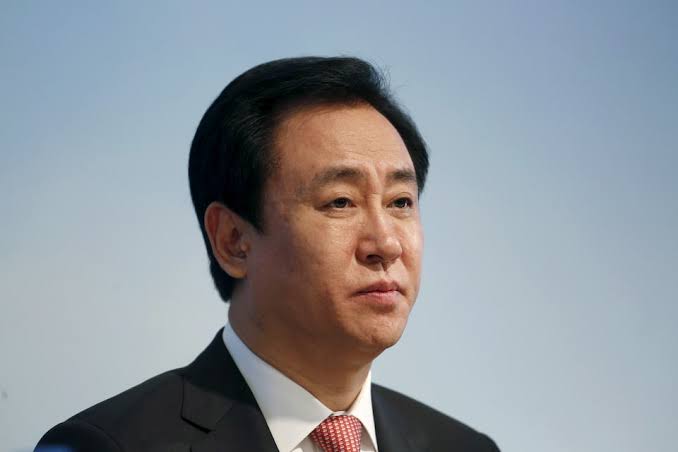
Hui Ka Yan, also known as Xu Jiayin in Mandarin, founded Evergrande in 1996 in Guangzhou, Guangdong province. Before entering the property industry, Hui came from a modest background and worked in the steel industry after graduating from university. His early career gave him experience in industrial management before he moved toward real estate, a sector that was expanding rapidly as China’s economy developed.
Hui’s business strategy focused on acquiring land, developing residential projects and selling properties at scale. As China’s cities expanded and demand for housing increased, Evergrande grew rapidly. Hui became one of China’s best-known entrepreneurs and was frequently ranked among the country’s wealthiest individuals.
Evergrande Founder : How Hui Ka Yan Built Evergrande
The Evergrande founder used an aggressive growth strategy to transform the company into a major property developer. Rather than expanding slowly, Evergrande borrowed heavily to purchase land and finance new developments. The company then relied on property sales and additional financing to support its expanding operations.
This approach worked particularly well during China’s long property boom. Rising home prices and strong demand allowed developers to generate significant revenue. Evergrande expanded into numerous Chinese cities and eventually developed interests in areas including electric vehicles, tourism, finance, health care and sports.
The company’s enormous expansion helped turn Hui Ka Yan into a billionaire. Evergrande’s name became associated with large-scale development, ambitious investment and rapid corporate growth.
The Debt Problem Behind the Success
Although Evergrande appeared extremely successful from the outside, its expansion created a major financial vulnerability. The company accumulated a huge amount of debt as it borrowed money to purchase land, develop properties and fund its growing collection of businesses.
The problem became more serious when Chinese authorities introduced measures designed to reduce excessive borrowing among property developers. These policies made it more difficult for highly indebted companies to obtain additional financing. For Evergrande, which depended heavily on access to credit, the changing financial environment created significant pressure.
As financing became harder to obtain, the company struggled to maintain the pace of its previous expansion. Its financial problems eventually became a much larger concern for investors, homeowners, suppliers and creditors.
Evergrande’s Financial Crisis
Evergrande’s debt crisis became one of the most closely watched corporate stories in China. The company faced difficulties meeting its financial obligations, while concerns about unfinished housing projects and payments to suppliers continued to grow.
The situation was particularly important because Chinese homebuyers often make payments before residential developments are completed. When developers experience financial problems, unfinished projects can create serious uncertainty for buyers and construction companies.
Evergrande’s difficulties also affected China’s wider property sector. Other developers experienced financial stress, property sales weakened in several areas and confidence in the real estate market declined. Because property represents a major part of China’s economy, the crisis became more than an individual company problem.
Hui Ka Yan’s Fall From Prominence
The financial troubles dramatically changed Hui Ka Yan’s position in China’s business world. The entrepreneur who had once been celebrated as one of the country’s richest and most influential businessmen faced increasing scrutiny as Evergrande’s financial condition deteriorated.
His personal wealth fell sharply as the value of Evergrande declined. Hui’s public image also changed from that of a successful property tycoon to a central figure in one of China’s largest corporate debt crises.
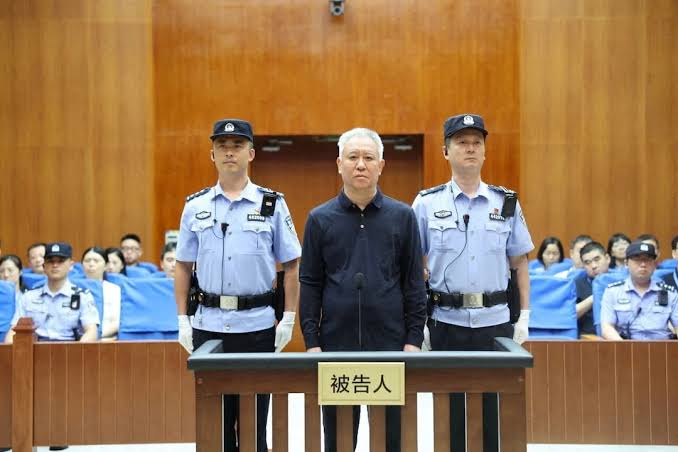
In 2023, Chinese authorities announced that Hui had been placed under investigation on suspicion of suspected crimes. The development marked another major turning point in the story of the Evergrande founder and demonstrated how seriously authorities were treating the company’s financial problems.
Evergrande’s Collapse and What It Means
The downfall of Evergrande has had consequences far beyond Hui Ka Yan himself. The company became a powerful example of the dangers of excessive leverage in the property sector. Its difficulties also highlighted how quickly a business model based on rapid borrowing and continuous expansion can become vulnerable when market conditions change.
In January 2024, a Hong Kong court ordered Evergrande to be liquidated after the company failed to produce a workable restructuring plan for its debts. The liquidation process became an important chapter in the long-running crisis surrounding the developer.
For homeowners, investors and creditors, the company’s collapse raised difficult questions about unfinished developments, unpaid obligations and the recovery of assets.
Lessons From the Evergrande Founder Story
The rise and fall of the Evergrande founder provides several important lessons for businesses and investors. Rapid growth can create the appearance of extraordinary success, but expansion supported by large amounts of debt can become dangerous when financing conditions change.
Evergrande’s experience also demonstrates the importance of maintaining sufficient liquidity and balancing growth with financial stability. A company can own valuable assets and generate substantial sales while still facing serious problems if it cannot meet its short-term financial obligations.
For China’s economy, the Evergrande crisis has become part of a broader adjustment in the property market. The company’s story continues to be studied because it shows how corporate decisions, government policy, consumer confidence and financial markets can become closely connected.
Conclusion
The story of the Evergrande founder Hui Ka Yan is ultimately a story of extraordinary ambition followed by a dramatic corporate downfall. He helped build Evergrande into a giant of China’s property industry, but the company’s debt-fueled expansion eventually became its greatest weakness. As Evergrande struggled with its obligations and ultimately entered liquidation proceedings, Hui’s reputation and fortune changed dramatically.
The Evergrande crisis remains significant because it represents more than the failure of one property company. It illustrates the risks of excessive borrowing, aggressive expansion and dependence on continuously rising property demand. For investors and business leaders, the rise and fall of Hui Ka Yan offers a lasting lesson: rapid growth can create enormous wealth, but sustainable financial management is essential for keeping that success alive.
