

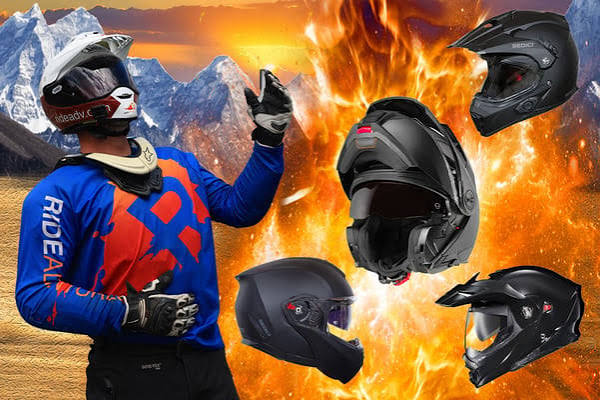

Choosing the right motorcycle helmet is an important part of preparing for a ride. A dual sport helmet is designed for riders who want to move between paved roads and off-road environments without carrying separate helmets for each type of riding. These helmets combine features commonly associated with street and dirt-bike helmets, creating a versatile option for riders who regularly experience different riding conditions.
However, not every dual-sport helmet offers the same balance of protection, ventilation, comfort, noise control, and visibility. Understanding the main features can help riders choose a helmet that fits their riding style and needs.
What Is a Dual Sport Helmet?
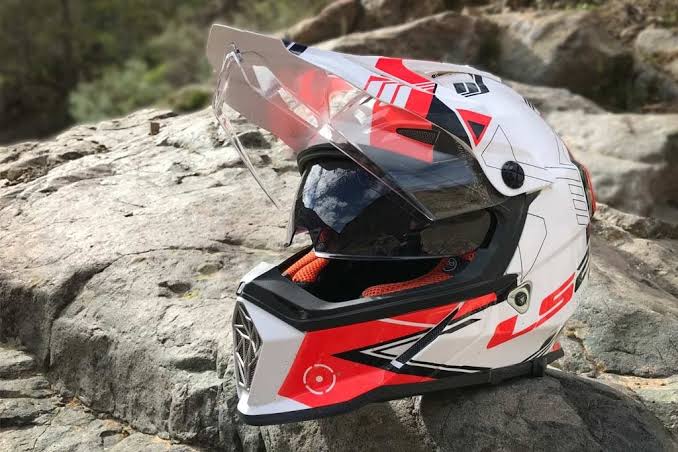
A dual sport helmet is a motorcycle helmet designed for both road and off-road riding. It typically combines the protective structure and full-face coverage of a street helmet with design elements associated with motocross or adventure riding. Depending on the model, these features can include a peak visor, large eye port, removable visor, ventilation openings, and compatibility with goggles.
The design makes this type of helmet particularly useful for adventure riders who may spend part of a journey on highways and then continue onto gravel roads, dirt tracks, or trails. Instead of switching helmets, riders can use one versatile design for different environments.
dual sport helmet : Why Riders Choose Dual Sport Helmets
Versatility is one of the biggest reasons riders choose this style of helmet. A rider planning a long adventure trip may encounter highways, city streets, unpaved roads, and rougher terrain during the same journey. A dual-purpose helmet can accommodate these changing conditions.
Many models also provide a wider field of vision than traditional street-focused helmets. This can be helpful when riding on trails, where riders need to pay attention to rocks, branches, uneven surfaces, and changes in terrain. The additional peak can also help reduce direct sunlight and provide some protection from mud or debris.
However, riders should remember that a helmet’s features can involve trade-offs. A large peak may create additional wind resistance at highway speeds, while an aggressive off-road design may produce more wind noise than a road-oriented helmet.
dual sport helmet : Look for the Right Safety Certification
Safety certification should be one of the first things to check when selecting a motorcycle helmet. Requirements vary between countries, so riders should look for certification appropriate to the market where the helmet will be used.
In the United States, the Department of Transportation’s Federal Motor Vehicle Safety Standard No. 218 establishes requirements for motorcycle helmets. The National Highway Traffic Safety Administration explains that compliant motorcycle helmets must meet the applicable federal standard. Riders should therefore check the certification information carefully rather than relying only on marketing descriptions.
In other countries, different standards may apply. Buyers should check the label, manufacturer’s documentation, and applicable local regulations before purchasing.
Getting the Correct Helmet Size
Even a high-quality helmet cannot provide its intended protection if it does not fit correctly. A helmet should sit securely on the head without creating painful pressure points. It should not move excessively when the rider turns or shakes their head.
Measure the circumference of your head according to the manufacturer’s instructions and compare the measurement with that brand’s size chart. Helmet sizing can differ between manufacturers, so buying the same size as another helmet does not always guarantee the same fit.
When trying on a helmet, wear it for several minutes. Check whether there is uncomfortable pressure around the forehead, temples, or cheeks. A properly fitted helmet should feel secure while remaining manageable for extended rides.
Ventilation and Comfort Matter
Adventure and off-road riding can involve considerable physical effort, especially in warm weather. Good ventilation can make a significant difference in comfort. Look for models with well-designed intake and exhaust vents that allow air to circulate through the helmet.
Interior padding is another important consideration. Removable and washable liners can make long-term ownership easier because riders can clean them after extended trips. Some helmets also offer adjustable or replaceable interior components, allowing riders to fine-tune the fit.
Comfort becomes particularly important on long-distance journeys, where a helmet may be worn continuously for several hours.
Visors, Peaks, and Eye Protection
A dual sport helmet may use different eye-protection arrangements depending on its design. Some models have a clear face shield similar to a street helmet, while others are designed to work with goggles. Certain helmets allow riders to remove or adjust the peak and visor according to the riding environment.
A clear shield can be useful on paved roads and in changing weather conditions. Goggles can provide advantages during dusty off-road riding because they can offer a closer seal around the eyes. Riders should consider which configuration matches their typical use.
If the helmet includes a face shield, check that it moves smoothly and locks securely. Replacement shields should also be available from the manufacturer.
Consider Noise and Highway Riding
Off-road-oriented helmets can produce more wind noise than road-focused full-face helmets. The shape of the peak, ventilation openings, and overall shell design can all influence noise levels.
If most of your riding takes place on highways, consider a model that offers a reasonable balance between off-road capability and aerodynamic stability. Riders who regularly travel long distances should also consider using appropriate hearing protection designed for motorcycle riding.
A helmet that performs well on dirt trails may not necessarily be the quietest option for extended highway travel.
Think About Your Riding Style
The best helmet choice depends heavily on where and how you ride. Someone who spends most of their time on paved roads but occasionally visits gravel tracks may prefer a more road-oriented adventure helmet. A rider who spends significant time on dirt trails may place greater importance on ventilation, visibility, peak design, and goggle compatibility.
Before buying, consider your typical speeds, riding distance, climate, terrain, and whether you frequently ride with other equipment such as communication systems or goggles.
Check the Helmet Before Every Ride
A helmet should be inspected regularly rather than treated as a piece of equipment that requires attention only when it becomes visibly damaged. Check the shell for cracks or significant damage and inspect the visor, vents, retention system, and interior padding.
The chin strap and fastening system should also function correctly. If a helmet has experienced a significant impact, follow the manufacturer’s guidance regarding replacement. Motorcycle helmets are designed to absorb energy during a crash, and visible damage is not always the only concern.
Final Thoughts
A dual sport helmet can be a practical choice for riders who want one helmet capable of handling both road and off-road environments. Its combination of full-face coverage, ventilation, visibility, and adventure-oriented features makes it suitable for a wide range of riding situations.
Before purchasing, focus on proper fit, applicable safety certification, ventilation, eye protection, noise levels, and the type of terrain you ride most often. Taking the time to compare these factors can help you select equipment that is comfortable, suitable for your riding conditions, and appropriate for your motorcycle adventures.
