

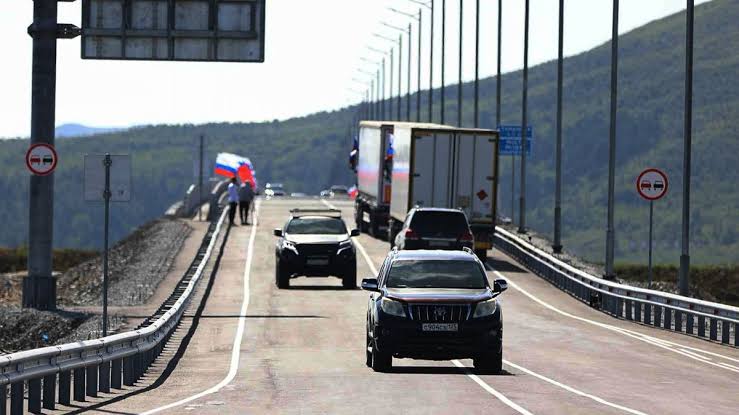

Russia and North Korea have opened a new road bridge connecting the two countries across their shared border. The project marks an important development in relations between Moscow and Pyongyang and is expected to make travel and trade between the neighboring countries easier.
The new bridge crosses the Tumen River, which forms part of the border between Russia’s Far East and North Korea. Officials from both countries have described the project as a major step toward improving economic links and strengthening cross-border cooperation.
The opening comes at a time when relations between Russia and North Korea have grown significantly closer. Both countries have expanded political and economic cooperation in recent years, while also deepening their broader strategic relationship.
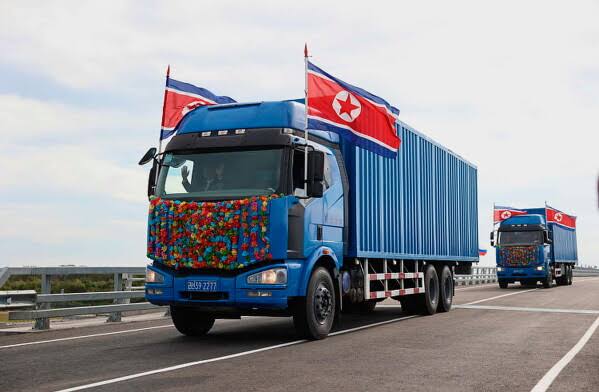
A New Link Across the Tumen River
The new road bridge provides a direct connection between the two countries. It links the Russian border region with North Korea and creates another route for people and goods to move between the neighboring states.
For years, the countries relied on existing rail connections and limited border routes. The new bridge adds an important road connection to that network.
The project is expected to make transportation more efficient. It could also reduce the time needed to move commercial goods between the two sides.
The bridge crosses the Tumen River, a waterway that has long played an important role in the geography and economic activity of the region. Its location gives the project particular importance for Russia’s Far Eastern territories and North Korea’s northeastern areas.
Russia and North Korea : Why the Bridge Matters for Russia
For Russia, the bridge is part of a wider effort to strengthen economic activity in its Far East.
The region has extensive natural resources and borders several Asian countries. Moscow has been working to expand transportation links and increase trade across the region.
A stronger road connection with North Korea could support the movement of goods and improve access to nearby markets. It may also provide Russia with another channel for developing economic cooperation with Pyongyang.
The bridge could become more important as bilateral relations continue to develop. Increased trade would require reliable transportation infrastructure, and the new crossing provides a foundation for that growth.
North Korea Seeks Greater Economic Connectivity
North Korea also stands to benefit from improved road access to Russia.
The country has limited international transportation connections because of its political isolation and longstanding sanctions. Stronger infrastructure along its northern border could therefore be significant.
A direct road connection may help facilitate trade in permitted goods and encourage greater economic cooperation between North Korean and Russian businesses.
The bridge could also make movement between border communities easier. However, the scale of future activity will depend on regulations, customs arrangements and the broader economic relationship between the two countries.
Growing Relations Between Russia and North Korea
The opening of the bridge comes against the backdrop of rapidly developing relations between Russia and North Korea.
Moscow and Pyongyang have increased high-level contacts and signed agreements aimed at strengthening cooperation. Their relationship has expanded beyond traditional diplomatic ties and now includes broader economic and strategic coordination.
Russian President Vladimir Putin and North Korean leader Kim Jong Un have also developed closer political relations.
The two governments have repeatedly expressed support for stronger cooperation. Infrastructure projects such as the new bridge can turn those political commitments into practical connections.
Trade and Transportation Could Increase
One of the most important potential benefits of the bridge is increased trade.
Road transportation can provide flexibility that rail connections cannot always offer. Trucks can carry different types of goods and reach destinations that may not have direct rail access.
If cross-border trade expands, the bridge could become an important route for commercial transportation.
It could also support regional businesses by reducing transportation barriers. However, the actual impact will depend on the amount of trade between Russia and North Korea and the rules governing cross-border commerce.
The bridge is therefore best viewed as a long-term infrastructure investment rather than an immediate transformation of bilateral trade.
A Sign of Deeper Cooperation
Beyond its economic value, the bridge carries political significance.
Large infrastructure projects require long-term planning and cooperation. By completing and opening the crossing, Russia and North Korea have demonstrated their willingness to deepen practical ties.
The project also sends a broader message about their relationship.
Both governments are seeking stronger links at a time when their ties with Western countries remain strained. Developing transportation infrastructure gives Moscow and Pyongyang another way to strengthen their regional connections.
Regional and International Attention
The new bridge is likely to attract attention beyond the immediate border region.
Russia and North Korea have become increasingly important to discussions about security and geopolitics in Northeast Asia. Their growing cooperation has been closely watched by countries such as South Korea, Japan and the United States.
While the bridge is primarily a transportation project, its opening takes place within this wider geopolitical environment.
For neighboring countries, increased movement across the Russia-North Korea border could have economic and strategic implications. Monitoring trade and transportation activity will therefore remain important.
What Happens Next?
The long-term importance of the bridge will depend on how extensively it is used.
If trade increases, the crossing could become a major transportation route between Russia and North Korea. It could support commercial activity and improve connections between border regions.
However, the bridge alone cannot guarantee a major increase in trade. Customs procedures, international sanctions, economic conditions and bilateral agreements will all influence how much traffic it ultimately handles.
Even so, the opening represents a significant step in improving physical connectivity between the two countries.
Conclusion
The opening of the first road bridge between Russia and North Korea marks a new chapter in relations between the neighboring countries.
The bridge across the Tumen River creates a direct road connection and could make the movement of goods and people more convenient. It also supports Russia’s efforts to strengthen its Far Eastern region while giving North Korea another route for economic cooperation.
More importantly, the project reflects the growing closeness between Moscow and Pyongyang. As Russia and North Korea continue to expand their relationship, infrastructure projects such as this bridge could become increasingly important.
Whether the new crossing develops into a major trade route will depend on future economic activity and international conditions. For now, however, its opening stands as a visible symbol of closer ties and greater connectivity between the two countries.
