

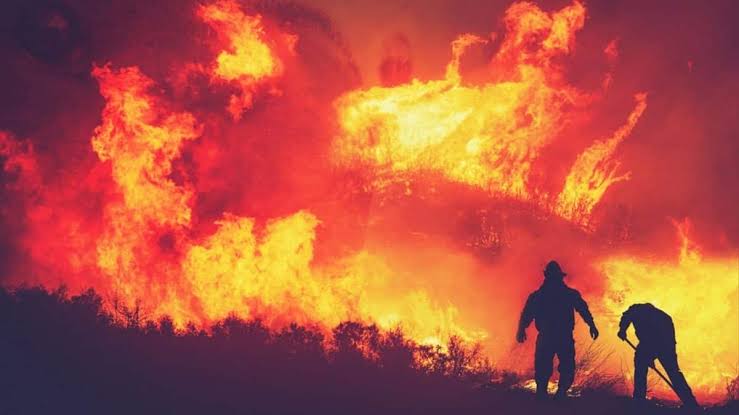

Air quality improvements made in many parts of the world are facing a growing threat from climate change. According to a new United Nations assessment, rising temperatures, heatwaves and wildfires are making it harder for countries to maintain progress in reducing air pollution.
The problem is becoming more visible as extreme weather events become more frequent and intense. Hot and dry conditions can create an environment where wildfires spread quickly. At the same time, extreme heat can increase the formation of certain pollutants in the atmosphere.
The findings highlight a growing connection between climate change and public health. While governments have taken steps to reduce emissions from vehicles, industries and energy production, extreme weather can undermine those gains.
Heatwaves Are Affecting Air Quality
Heatwaves are no longer only a concern because of high temperatures. They can also affect the quality of the air people breathe.
When temperatures rise sharply, chemical reactions in the atmosphere can increase the concentration of ground-level ozone. This pollutant can irritate the lungs and make breathing more difficult.
Hot weather can also create stagnant air conditions. When there is little wind, pollutants can remain trapped close to the ground for longer periods.
As a result, cities experiencing prolonged heatwaves may face both dangerous temperatures and unhealthy air.
This combination can be particularly difficult for children, older people and individuals with existing breathing problems.
Wildfires Add More Pollution
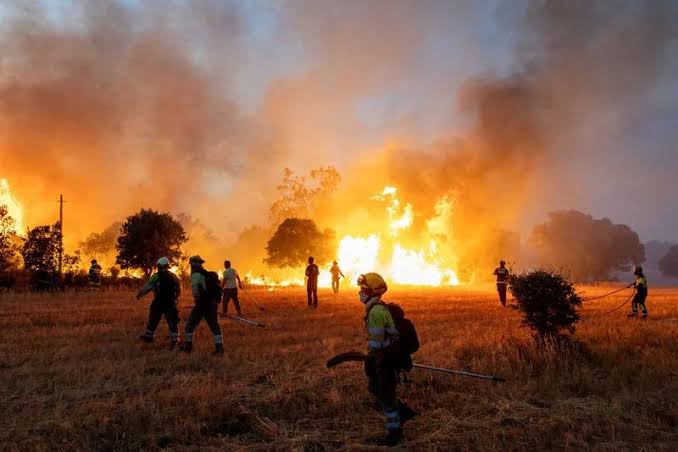
Wildfires are another major challenge.
When forests, grasslands and other vegetation burn, large amounts of smoke and harmful particles are released into the atmosphere. Fine particulate matter can travel long distances and affect communities far from the original fire.
In recent years, large wildfires have produced dangerous smoke across different regions. Some fires have been so extensive that smoke has crossed national borders.
Wildfire smoke contains a mixture of gases and particles. Fine particles are especially concerning because they can enter deep into the lungs.
The increase in heatwaves and wildfires therefore creates a serious challenge for efforts to improve air quality.
Climate Change Makes the Problem Worse
Climate change is closely connected to the changing pattern of extreme heat and wildfires.
Higher average temperatures can dry out forests and vegetation. Dry conditions make landscapes more vulnerable to fires, particularly when combined with strong winds and prolonged periods without rainfall.
Once a wildfire begins, extreme heat and dry conditions can make it harder to control.
This creates a difficult cycle. Climate change can increase the risk of wildfires, while wildfires release pollutants and greenhouse gases that contribute to environmental damage.
The result is a growing challenge for governments trying to protect both the climate and public health.
heatwaves and wildfires : Air Pollution Remains a Global Health Concern
Air pollution is already one of the world’s major environmental health risks.
Millions of people are exposed to polluted air every day. Long-term exposure to fine particulate matter and other pollutants has been linked to serious health problems.
Poor air quality can affect the respiratory and cardiovascular systems. It can also increase the risk of illness among vulnerable groups.
For this reason, improving air quality remains an important international goal.
Countries have introduced cleaner fuels, emissions standards and renewable energy programs to reduce pollution. However, the impact of extreme weather means these efforts may not always produce the expected results.
heatwaves and wildfires : Progress Is Still Possible
Despite these challenges, the UN findings do not mean that air quality improvements are impossible.
Reducing emissions from fossil fuels remains an important part of the solution. Cleaner transportation, renewable energy and stronger industrial standards can help reduce the amount of pollution entering the atmosphere.
Governments can also improve wildfire management. Better monitoring systems can help detect fires earlier, while land management can reduce the amount of dry vegetation available to burn.
Urban planning can also play a role. More green spaces, better public transportation and lower traffic emissions can help cities maintain cleaner air.
heatwaves and wildfires : Cities Face a Particular Challenge
Large cities are especially vulnerable to poor air quality during periods of extreme heat.
Millions of people live close to roads, industrial areas and other pollution sources. When hot weather causes stagnant air, these pollutants can accumulate.
Cities therefore need plans that address both heat and air pollution.
Officials can issue public warnings when air quality becomes dangerous. They can also open cooling centers and advise residents to reduce outdoor activity during the worst conditions.
Combining heat warnings with air-quality information can help people make safer decisions.
Public Awareness Is Important
People also have an important role in protecting themselves during pollution events.
Checking local air-quality information can help residents decide when it is safer to stay indoors. During heavy wildfire smoke, reducing exposure to outdoor air can be especially important.
Authorities should provide clear and timely information about pollution levels. Public communication becomes even more important when several hazards occur at the same time.
A heatwave combined with wildfire smoke can create a much greater health risk than either problem alone.
Stronger Climate Action Is Needed
The UN findings underline the need for countries to address climate change and air pollution together.
Reducing greenhouse gas emissions can help limit future temperature increases. At the same time, reducing conventional air pollutants can provide immediate health benefits.
These goals can support each other.
Cleaner energy systems can reduce both climate pollution and harmful emissions. Better transportation systems can also lower pollution while reducing dependence on fossil fuels.
However, governments will need long-term policies rather than temporary responses.
The Road Ahead
The growing frequency of extreme weather events means air-quality management will become increasingly important.
Countries need stronger monitoring systems, better wildfire preparedness and effective pollution-control policies. They also need to consider how climate change may affect the success of existing air-quality programs.
The challenge is significant, but progress remains possible.
If governments continue reducing emissions while preparing for more extreme heat and wildfire seasons, they can protect some of the improvements already achieved.
Conclusion
The impact of heatwaves and wildfires is becoming an important challenge for global air quality. Extreme heat can increase pollution, while wildfires can release large amounts of smoke and fine particles into the atmosphere.
The latest UN findings show that fighting air pollution cannot be separated from tackling climate change. Countries need to continue reducing emissions while preparing communities for increasingly difficult environmental conditions.
Cleaner energy, stronger pollution controls, better wildfire management and effective public warnings can all help.
Protecting air quality will require sustained international action. As temperatures continue to rise, keeping the air clean will become not only an environmental goal but also an increasingly important public health priority.
