


Nepal Faces a Major Humanitarian Crisis
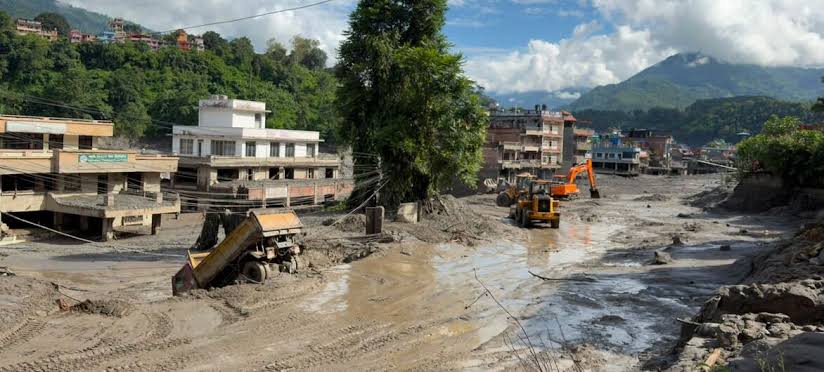
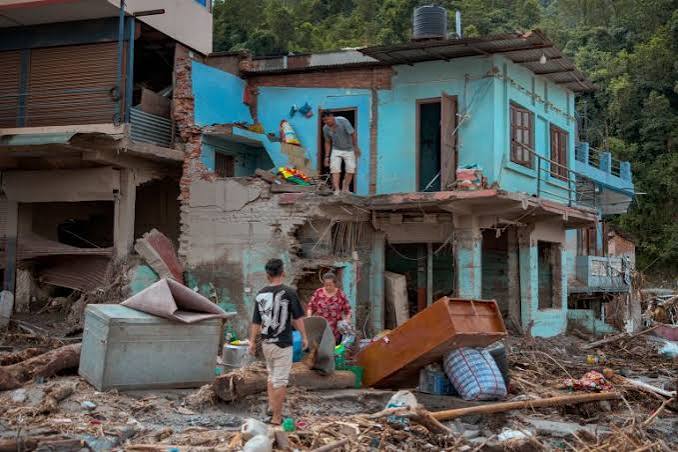
The latest Nepal Latest News is dominated by a devastating natural disaster that has left communities across parts of the Himalayan country struggling with widespread destruction, deaths and thousands of missing people. Severe flooding and mudslides linked to a glacial collapse have caused enormous damage in northern Nepal, particularly around the Trishuli and Bhote Koshi river systems. Rescue teams are continuing to search for survivors while authorities face the difficult task of identifying victims, restoring damaged infrastructure and providing essential supplies to people who have lost their homes.
Reports on August 30 indicate that Nepal has suffered hundreds of deaths, while thousands of people remain unaccounted for. Reuters reported that Nepal had recorded 781 deaths and 2,502 people missing, although figures continue to change as rescue workers reach areas that were previously inaccessible. The scale of the disaster has made rescue operations particularly challenging because roads, bridges and other infrastructure have been damaged or destroyed.
What Caused the Disaster?
The disaster is linked to a sudden release of enormous quantities of water and debris in the Himalayan region. A glacial collapse triggered flooding and mudslides, sending water, rocks and sediment into river valleys and nearby communities. The force of the flooding destroyed homes, swept away vehicles and damaged vital infrastructure.
The geography of Nepal is making the emergency even more difficult to manage. Many affected communities are located in mountainous areas where roads are narrow and vulnerable to landslides. Once bridges and highways are damaged, reaching isolated settlements can become extremely difficult.
Authorities are also concerned about the possibility of additional flooding. Rising river levels and unstable conditions have forced officials to issue warnings to communities in vulnerable areas. Mobile alerts have been sent to residents because of fears of further flash floods, particularly around rivers connected to the affected Himalayan region.
Nepal Latest News : Thousands of People Are Still Missing
One of the most worrying aspects of the Nepal Latest News is the number of people who remain missing. Rescue workers are searching destroyed villages, riverbanks, roads and industrial sites for survivors and victims.
The situation has become especially serious at hydropower projects. Reports indicate that hundreds of workers and other people connected with hydropower facilities remain unaccounted for. Rescue teams have been attempting to reach people who may be trapped inside tunnels and other structures affected by floodwaters and debris. Nepalese authorities have deployed thousands of personnel for rescue and recovery operations.
The identification of victims is another major challenge. In some locations, authorities have begun mass burials because of the condition of recovered bodies. DNA samples are being collected to help families identify relatives whose remains cannot be recognized through normal methods.
Nepal Latest News : Roads, Electricity and Essential Services Hit
The destruction goes far beyond individual homes. Roads and bridges that connect communities have been badly damaged, disrupting the movement of food, fuel, medicine and emergency equipment.
Electricity supplies have also been affected in several areas. Damaged power infrastructure has made recovery harder because hospitals, communication systems and other essential services depend on reliable electricity.
The situation has also raised concerns about shortages of medicines and drinking water. Nepalese news outlets are reporting continuing difficulties in supplying basic necessities to people living in flood-affected areas.
For survivors, the emergency is therefore entering a second phase. The immediate danger from floodwaters may eventually decrease, but rebuilding communities and restoring essential services could take much longer.
Rescue Operations Continue
Nepalese security forces, local authorities and international teams are involved in the rescue effort. More than 10,000 Nepalese troops have reportedly been participating in search and rescue operations, while teams are working in difficult mountainous terrain.
One of the major priorities is reaching people trapped in tunnels connected to hydropower projects. Rescue teams have been drilling and working through damaged areas in an effort to reach missing workers. The operations are dangerous because unstable ground, rising water and additional landslides can put rescuers at risk.
The government is also working to secure additional equipment for handling the large number of recovered bodies. The scale of the tragedy has placed considerable pressure on hospitals, morgues and local authorities.
Why Nepal’s Geography Matters
Nepal’s mountainous geography has always made infrastructure development and emergency response complicated. Communities in remote valleys can be separated from major cities by steep mountains and rivers.
During normal conditions, roads and bridges provide essential connections. During a disaster, however, the destruction of even one major bridge can isolate entire communities. This is why the current crisis is not simply a matter of flooding. It has become a transportation, communications, health and humanitarian emergency.
The disaster also highlights wider concerns about climate change and the increasing risks facing Himalayan communities. Scientists and authorities have repeatedly warned that changes in glaciers, rainfall patterns and extreme weather can increase hazards across mountain regions.
Nepal Latest News : Political Challenges Add to the Pressure
The natural disaster comes at a politically sensitive time for Nepal. The country has undergone major political changes following the youth-led protests that transformed its political landscape in 2025.
Prime Minister Balendra Shah’s government came to power after the political upheaval and has faced expectations that it will improve governance, tackle corruption and respond more effectively to public concerns. Human Rights Watch has also called on the new government to pursue human rights reforms.
The current disaster therefore represents an important test for Nepal’s government. Citizens will be watching how effectively authorities coordinate rescue operations, distribute aid and rebuild damaged communities.
What Happens Next?
The immediate priority is finding survivors and helping families affected by the disaster. Rescue teams will continue searching for missing people while authorities assess damage across affected districts.
The next challenge will be restoring roads, electricity, telecommunications and water supplies. Communities will also need temporary housing, food and medical assistance.
Longer term, Nepal may face difficult questions about infrastructure planning and disaster preparedness. If extreme weather and glacier-related hazards become more frequent, the country may need stronger early-warning systems, safer infrastructure and better emergency coordination.
Why This Matters Beyond Nepal
The latest developments in Nepal matter beyond the country’s borders because the Himalayas are one of the world’s most environmentally sensitive regions. Events affecting glaciers, rivers and mountain communities can have consequences for millions of people across South Asia.
The disaster also demonstrates how quickly a natural hazard can become a humanitarian crisis when communities are located in difficult terrain and critical infrastructure is vulnerable.
For now, the focus remains on saving lives. As rescue operations continue, the full scale of the destruction is still becoming clear. Nepal Latest News is therefore likely to remain focused on rescue efforts, missing people, humanitarian assistance and the country’s difficult road toward recovery.
