

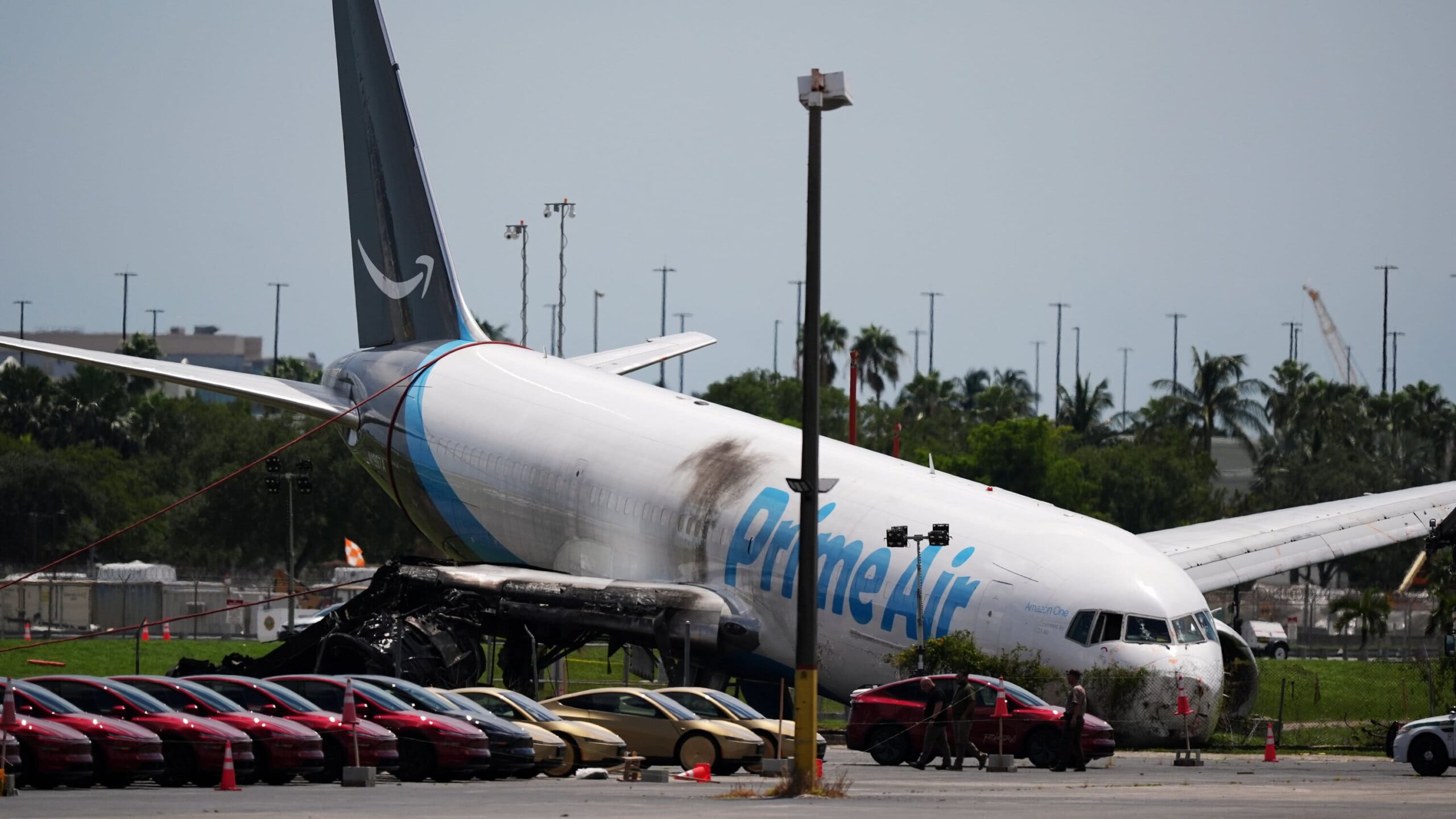

Amazon Cargo Plane Crash Raises Questions About Air Safety
The amazon cargo plane crash has drawn attention to the safety of cargo aviation and the challenges faced by pilots operating large freight aircraft. Cargo planes play a vital role in modern commerce, carrying packages, equipment and other goods across countries and continents. When an accident involving a major cargo operation occurs, investigators must examine everything from the aircraft’s mechanical condition to weather, crew decisions and airport operations.
Although cargo aircraft generally follow the same strict aviation safety requirements as passenger planes, their operations can be different. Freight flights often operate at night or during early morning hours, when weather and visibility may present additional challenges. Investigators therefore examine every available piece of evidence before reaching conclusions about what caused a crash.
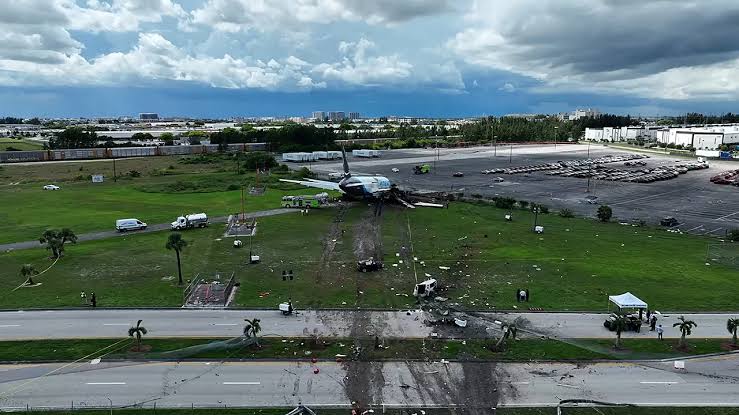
What Happens When a Cargo Plane Crashes?
A cargo aircraft accident can involve several stages of investigation. Immediately after a crash, emergency crews secure the area, assist anyone who may have survived and work to prevent additional hazards. Authorities then establish a restricted zone around the wreckage so investigators can examine the aircraft without disturbing important evidence.
The investigation can take weeks, months or even longer depending on the circumstances. Aviation investigators typically examine the aircraft’s engines, flight-control systems, maintenance records and communication with air-traffic controllers. They may also review weather information, radar data and the aircraft’s recorded flight path.
One of the most important pieces of evidence can be the flight recorder. Modern aircraft are equipped with systems designed to preserve information about the flight, including technical data and, depending on the aircraft, cockpit conversations. This information can help investigators reconstruct what happened during the final moments before an accident.
Amazon cargo plane crash : Why Cargo Aviation Is So Important
Cargo airlines have become increasingly important because of the rapid growth of online shopping. Companies such as Amazon rely on extensive logistics networks to move products from warehouses to customers. Aircraft can transport goods much faster than traditional ground transportation, particularly when shipments need to travel between distant regions.
A disruption involving a cargo aircraft can therefore affect more than the airline itself. It can create delays in deliveries, disrupt supply chains and increase pressure on alternative transportation routes. However, individual aircraft accidents do not necessarily mean that an entire logistics network is unsafe.
Major aviation companies have extensive procedures for aircraft maintenance, crew training and operational planning. When an accident happens, regulators and operators may review those procedures to determine whether any changes are necessary.
Amazon cargo plane crash : Investigators Look at Multiple Possible Causes
One of the most important principles in aviation accident investigations is avoiding premature conclusions. A crash can result from a combination of factors rather than one single problem.
Mechanical failure is one possibility investigators consider. Engines, landing gear, hydraulic systems and flight controls can all be examined for signs of malfunction or damage. Investigators also review maintenance records to determine whether the aircraft received required inspections and repairs.
Weather is another major factor. Strong winds, heavy rain, thunderstorms, fog and other conditions can make takeoffs and landings more difficult. Investigators compare weather reports with the aircraft’s flight data to determine whether environmental conditions played a role.
Human factors are also carefully examined. Investigators may review crew training, workload, communication and decision-making. This does not automatically mean that pilots are responsible. Instead, the goal is to understand the complete operating environment surrounding the accident.
The Role of Air Traffic Controllers
Communication between pilots and air-traffic controllers can provide valuable information after a crash. Controllers monitor aircraft movements and communicate instructions about altitude, routes and airport operations.
Investigators can review recorded communications to determine whether the crew reported a technical problem or unusual situation before the accident. Radar and tracking information can also help establish the aircraft’s position, speed and altitude during the flight.
If an aircraft experiences an emergency, the sequence of communications can become particularly important. Investigators may compare what the crew reported with information from onboard systems and evidence recovered from the crash site.
Amazon’s Role in Cargo Operations
Amazon has developed a major air-cargo operation to support its delivery network. Its air fleet is operated through dedicated aviation partners and logistics arrangements designed to move packages between distribution centers.
Because cargo aircraft are a visible part of Amazon’s delivery system, an accident can quickly attract significant public attention. However, it is important to distinguish between the company using an aircraft for logistics and the organization directly responsible for operating and maintaining that aircraft.
Aircraft ownership, operation, maintenance and cargo contracting can involve different companies. Accident investigations therefore identify the specific operator and aircraft involved before assigning responsibility.
Safety Reviews Could Follow the Crash
A serious cargo aircraft accident can lead to additional safety reviews. Aviation authorities may issue recommendations or require operators to inspect particular aircraft systems if investigators discover a technical concern that could affect other planes.
Airlines and cargo operators may also conduct internal reviews. These can include additional maintenance checks, updated training procedures or changes to operational practices.
The purpose of these measures is not simply to determine what went wrong in one accident. The broader goal is to prevent a similar incident from happening again. Aviation safety has improved over decades partly because investigators have used lessons from previous accidents to introduce stronger procedures and technology.
Why Final Investigation Reports Matter
Early reports following an aircraft crash can contain incomplete information. Officials may confirm basic facts such as the aircraft type, location and number of people involved, but the actual cause can remain unknown for a significant period.
For that reason, information released during the first hours or days after an accident should be treated carefully. Investigators need time to examine physical evidence, interview witnesses, analyze flight data and review maintenance documents.
The final investigation report generally provides a much clearer explanation of the accident. It may identify the immediate cause as well as contributing factors and recommend changes designed to improve aviation safety.
What Comes Next
The amazon cargo plane crash is likely to remain under close examination as investigators work to establish exactly what happened. The investigation will focus on the aircraft, crew, operating company, weather conditions, airport environment and technical data surrounding the flight.
For the public, the most important information will come from official investigators rather than early speculation. A complete understanding of the accident can take time, but detailed investigations are essential for improving safety across the aviation industry.
Cargo aircraft are a crucial part of the global delivery system, and their safe operation affects businesses and consumers around the world. As authorities continue examining the circumstances surrounding the crash, the findings could provide important lessons for cargo operators and the wider aviation industry.
