

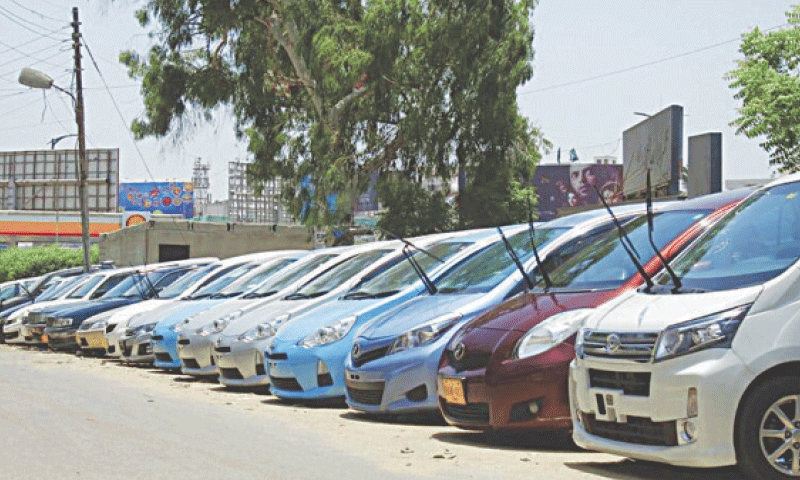

Buying a used vehicle can be a practical way to get a dependable car without paying the price of a brand-new model. Among the many options available, Toyota used cars remain popular because buyers often look for durability, practical features, and long-term ownership value.
However, even a well-known brand does not mean every used vehicle is automatically a good purchase. A car’s condition, maintenance history, mileage, accident record, and previous ownership can make a major difference.
Whether you are considering a Toyota Corolla, Camry, RAV4, Prius, or another model, taking time to inspect the vehicle can help you avoid expensive problems later.
Why Buyers Consider Toyota Used Cars
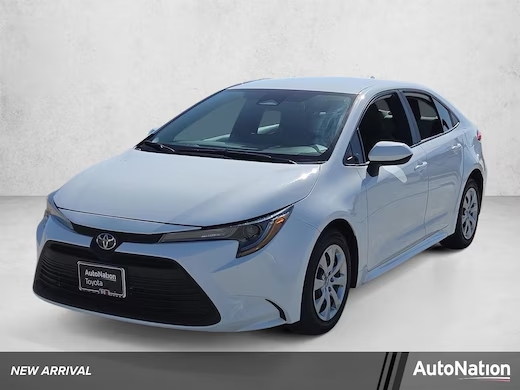
Toyota used cars are popular among buyers who want a practical and dependable vehicle for everyday driving. Toyota offers a wide range of models, including sedans, SUVs, hybrids, and trucks, giving shoppers different options based on their budget and lifestyle. Before choosing a used Toyota, buyers should compare the vehicle’s condition, maintenance history, mileage, features, and overall ownership costs.
Another reason buyers consider used Toyotas is the availability of replacement parts and service knowledge in many markets. However, reliability depends heavily on how a particular vehicle was maintained. Two cars of the same model and year can have very different conditions depending on their previous owners.
Toyota used cars : Check the Vehicle’s History First
Before arranging a final purchase, examine the vehicle’s history as carefully as its appearance. Ask the seller for maintenance records and documentation that can confirm important information about the car.
Look for evidence of regular oil changes, scheduled servicing, previous repairs, tire replacement, and major mechanical work. Accident history is also important because a vehicle that looks attractive after cosmetic repairs may still have underlying structural or mechanical problems.
For certified Toyota vehicles in the United States, Toyota says its certification process includes a vehicle history review and a multi-point quality inspection. The history report can include information such as reported damage, accident history, ownership records, and service records.
Toyota used cars : Inspect the Exterior and Interior
A clean-looking car is not necessarily a mechanically healthy car. During an inspection, look closely at the body panels, doors, hood, trunk, headlights, windshield, and bumpers. Differences in paint shade or uneven gaps between panels can indicate previous body repairs.
Inside the vehicle, check the seats, dashboard, air conditioning, windows, locks, lights, infotainment system, and other electrical equipment. Also examine the condition of the steering wheel and pedals. Excessive wear compared with the claimed mileage can be a reason to investigate the vehicle’s history more carefully.
If possible, inspect the vehicle during daylight. A clean and well-lit environment makes it easier to identify scratches, dents, paint differences, and other signs of repair.
Pay Attention to the Engine and Transmission
The engine is one of the most important parts to inspect when buying a used car. Start the vehicle from cold if possible and listen for unusual noises. Check for excessive smoke from the exhaust and look underneath the vehicle for signs of fluid leaks.
During a test drive, pay attention to how the engine accelerates and how the transmission changes gears. Unusual vibrations, hesitation, loud noises, or warning lights should not be ignored.
A professional inspection can provide additional information that may not be obvious during a short test drive. Toyota’s certified used program, for example, includes checks covering engine performance, transmission operation, braking, suspension, tires, and electronic systems.
Verify Mileage and Ownership Documents
Mileage is an important factor when comparing used vehicles, but it should never be considered by itself. A higher-mileage Toyota with a detailed service history may be a more sensible purchase than a lower-mileage vehicle with questionable records.
Verify that the mileage shown on the dashboard is consistent with available service documents and inspection records. Also confirm the vehicle identification number, registration information, ownership documents, and other relevant paperwork.
For buyers in Pakistan, documentation deserves particular attention. A recent Toyota Walton Motors checklist recommends checking registration information, ownership details, chassis and VIN numbers, and engine-number records before completing a transaction.
Consider Certified Used Vehicles
A certified used vehicle can provide additional reassurance because it has gone through a manufacturer’s defined inspection and reconditioning process. Toyota’s certified program in the United States requires qualifying vehicles to pass a multi-point quality assurance inspection. Certified vehicles may also come with additional warranty coverage, depending on the certification level and market.
Pakistan also has Toyota SURE, Toyota’s certified pre-owned program. Toyota SURE says its certified vehicles undergo a 203-checkpoint inspection covering documentation and history, body and structure, engine and drivetrain, suspension and brakes, and electrical and safety systems.
The exact certification requirements and warranty benefits vary by country, so buyers should confirm the terms directly with the relevant Toyota dealer or certified program.
Take a Proper Test Drive
Never make a final decision based only on photographs or a stationary inspection. A test drive can reveal problems that are difficult to identify when the vehicle is parked.
Drive at different speeds and, where safe, test acceleration and braking. Listen for suspension noises when going over uneven surfaces. Check whether the steering feels normal and whether the vehicle remains stable during the drive.
Try all important features, including air conditioning, headlights, indicators, parking sensors, cameras, power windows, and infotainment functions.
Compare Price With Condition
Price should be considered together with the vehicle’s age, mileage, condition, service history, equipment, and local market demand. A very low asking price may look attractive, but it can sometimes reflect mechanical problems, accident history, documentation issues, or other concerns.
Before negotiating, compare several similar vehicles rather than relying on a single advertisement. This gives you a clearer idea of the current market and helps you identify unusually high or low asking prices.
Final Thoughts
Buying Toyota used cars can give shoppers access to a wide range of vehicles for different budgets and lifestyles, but the Toyota badge alone should not replace a proper inspection. The most important steps are checking the vehicle’s history, verifying documents and mileage, inspecting the engine and body, taking a test drive, and having a qualified professional examine the car before purchase.
A careful buying process can help you understand exactly what you are paying for and reduce the risk of unexpected repair costs. Whether you choo
